
Most roof problems start small. A lifted shingle, a cracked vent boot, or a clogged gutter can sit quietly for a season before it shows up as a brown stain on the ceiling. By then, the repair bill has grown, and so has the stress.

A simple homeowner inspection twice a year catches most of those early warnings, and you don’t need to walk on the roof to do it. With binoculars, a flashlight, a phone camera, and an hour in the yard and attic, you can learn a lot.
This checklist covers what to look for outside and inside, how damage differs by roof type, what a professional inspection costs, and when to hand the job to a licensed roofer. Use it to go into that conversation informed instead of guessing.
Why a DIY Roof Inspection Beats Waiting for the Next Leak
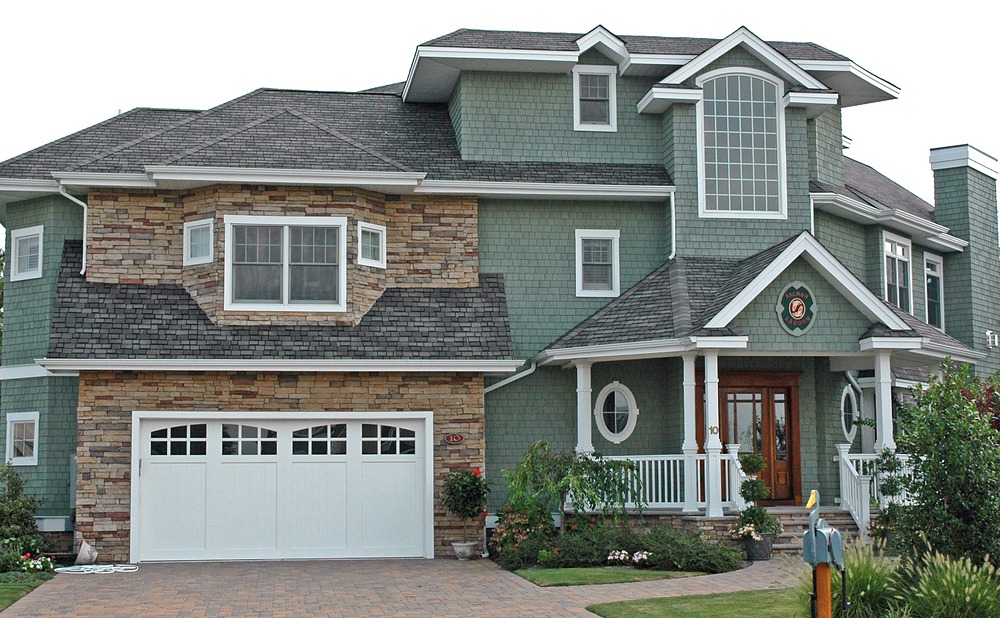
A roof rarely fails all at once. Water finds one weak spot, soaks the decking, and spreads along rafters and insulation long before it drips into a room. A routine look each spring and fall gives you a baseline, so you notice changes instead of trying to remember what the roof looked like a year ago.
Regular checks also protect your budget. Small fixes, such as resealing a vent boot or replacing a few shingles, cost far less than replacing rotted sheathing. Many insurers expect reasonable maintenance, too, so dated photos of a healthy roof can help if you ever need to file a storm claim.
Safety First: Ground, Binoculars, and When Not to Climb
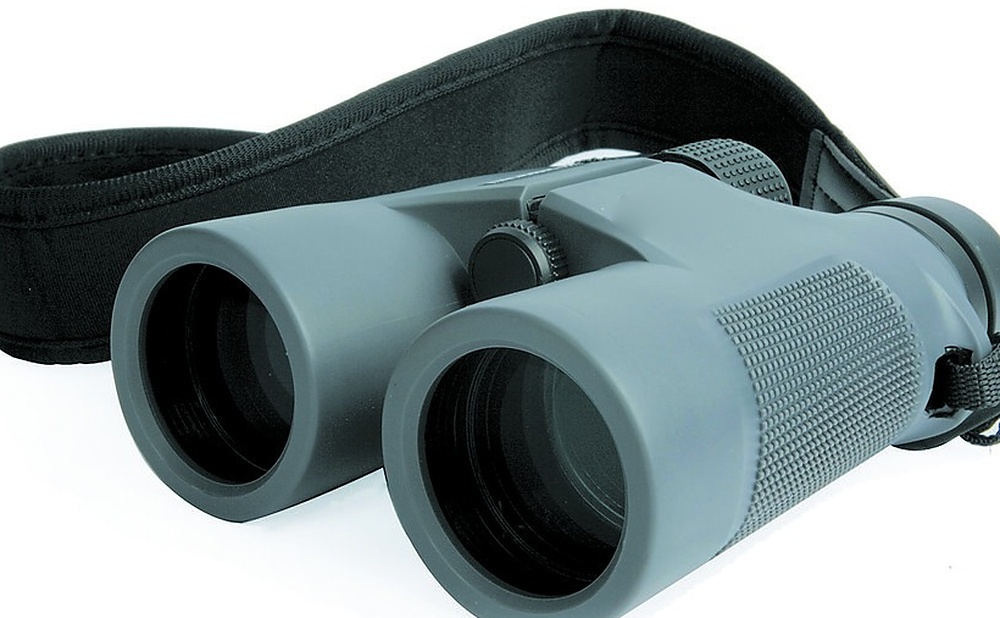
Most of this inspection happens from the ground. Walk the full perimeter with binoculars, then step back across the street or into the yard for a wider view of each slope. A ladder set at the eaves lets you see the gutters and the first few courses of shingles without stepping onto the roof itself.
Don’t climb onto a roof that is steep, wet, icy, or mossy, and never go up alone. Tile, slate, and some metal panels can crack or bend under foot traffic. If a section can only be seen by walking on it, leave it to a roofer with proper fall protection and insurance.
Exterior Checklist: Shingles, Granules, and Curl Patterns
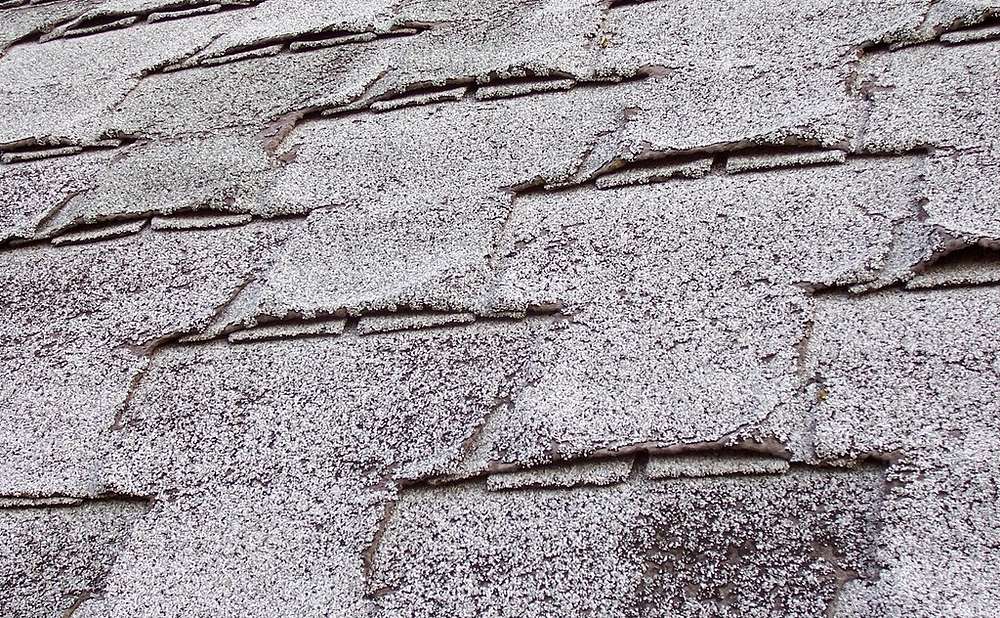
Scan each slope for shingles that are missing, cracked, lifted, or curling at the edges or corners. Look for dark streaks or bald patches where the protective granules have worn away and exposed the asphalt mat underneath. Sagging lines across the roof plane can point to trouble with the decking or framing below.
Check the gutters and the splash areas below the downspouts, too. A handful of granules is normal on a newer roof, but heavy buildup on an older one means the shingles are wearing out. Note which slope looks worst, since south- and west-facing slopes usually age faster from sun exposure.
Flashing Hotspots: Chimneys, Vents, Skylights, and Valleys
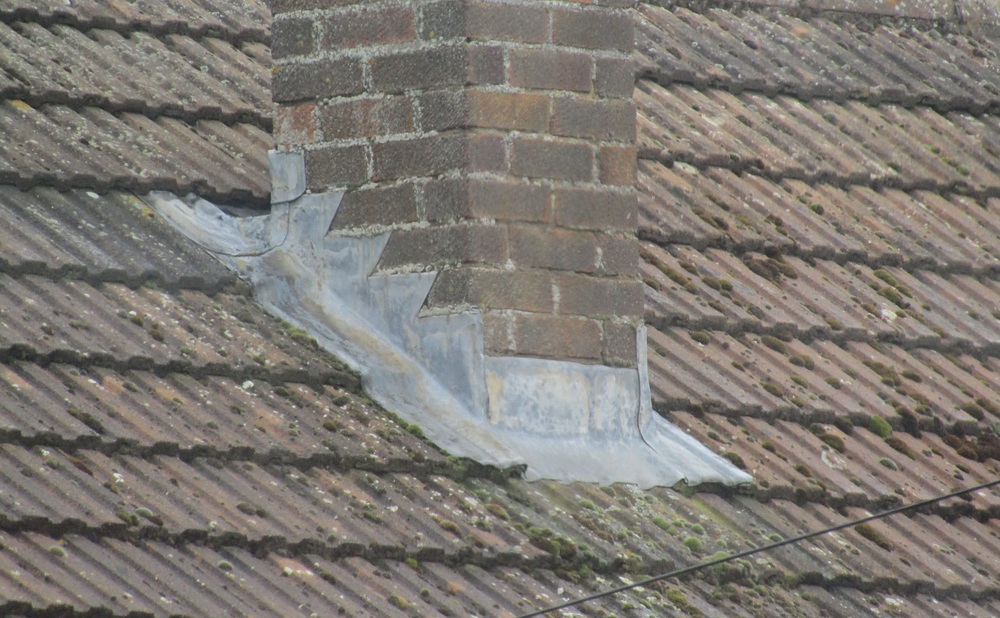
Flashing is the metal or rubber that seals the joints where the roof meets something else, and most leaks start here rather than in the open field of shingles. Use binoculars to check chimney flashing for gaps, rust, or loose counterflashing, and look at the mortar where the metal tucks into the brick.
Pipe vents often have rubber boots that crack after years in the sun. Skylights need intact flashing and sealant on all four sides. Valleys, where two slopes meet, carry more water than any other part of the roof, so look for piled debris, worn shingles, or exposed metal that has started to corrode.
Gutters, Drip Edge, and Soft Fascia Warning Signs
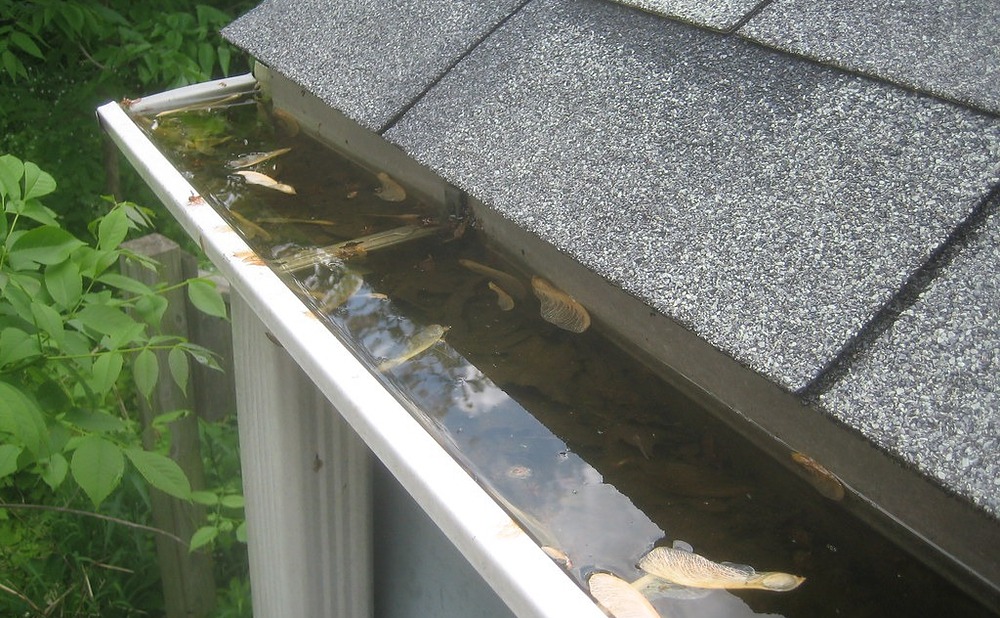
Gutters that overflow or pull away from the house push water back toward the roof edge and siding. From a ladder, look for standing water, sagging sections, and loose hangers. In cold climates, clogged gutters also contribute to ice dams, which force meltwater under the lower courses of shingles.
Next, check the drip edge, the metal strip along the roof edge, for gaps or bent sections. Then press gently on the fascia board behind the gutter. Soft, flaking, or stained wood suggests water has been getting behind the gutter for a while, and the roof edge may need repair before the next storm.
Attic Clues: Daylight, Wet Insulation, and Musty Odors
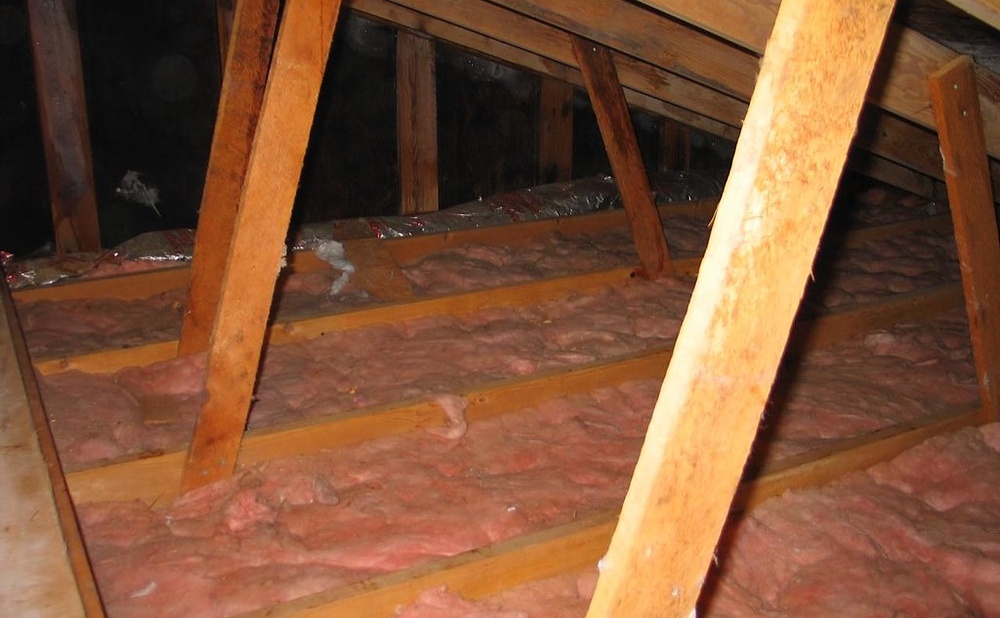
The attic often reveals a problem before the ceiling does. On a sunny day, turn off the attic light and look for pinpoints of daylight coming through the roof deck. Then run a flashlight along the rafters and sheathing to find dark stains, water trails, or white mineral marks left by dried drips.
Feel the insulation in any suspect areas. Compressed, damp, or clumped insulation points to a leak or condensation. A musty smell, visible mold, or frost on nails in winter can signal poor ventilation, which shortens shingle life and belongs in any conversation with a roofer.
How to Spot a Roof Leak From Inside Without Guessing
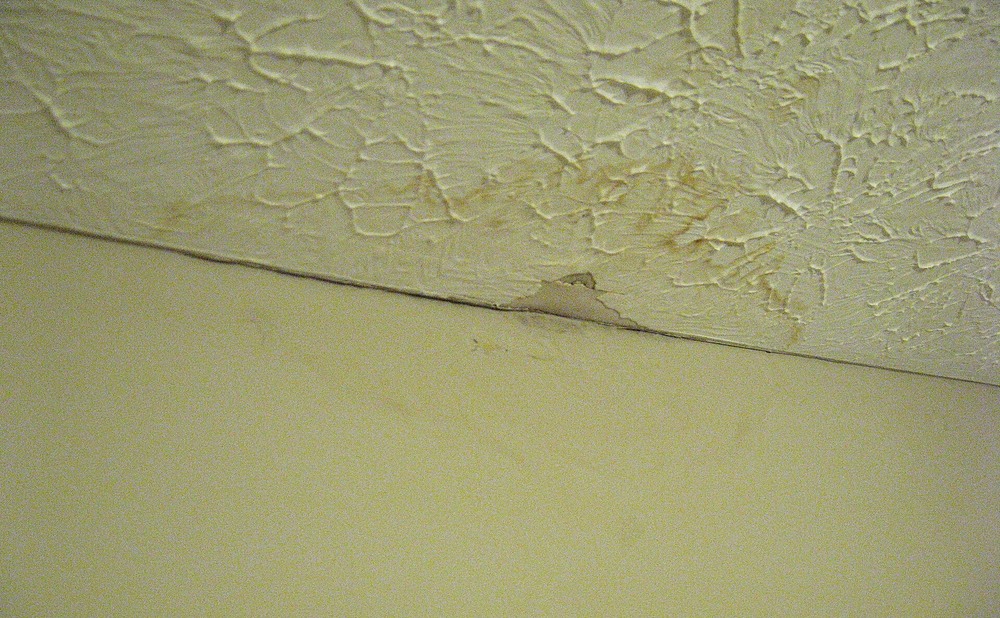
A ceiling stain is rarely directly under the hole. Water hits the deck, runs down a rafter or along the top of a ceiling joist, and drips wherever gravity takes it. Start at the stain, then trace upward and uphill in the attic until you find the first wet or stained spot on the wood.

Next, look for anything that penetrates the roof above that area, such as a vent, chimney, or skylight. If the source is still unclear, have a helper on the ground or a ladder run a garden hose over small sections of the roof while you watch from the attic. Work from the bottom up so you can isolate the exact spot.
Asphalt vs Metal vs Tile: What Damage Looks Like on Each
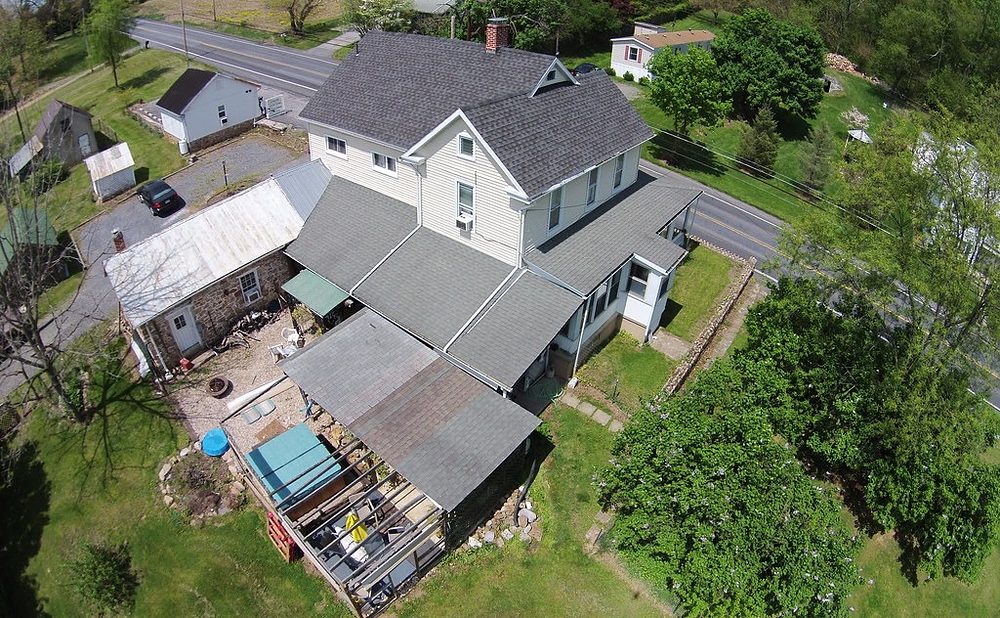
On asphalt shingles, look for curling, cracking, granule loss, and missing tabs. Metal roofs show trouble differently: loose or backed-out fasteners, worn rubber washers, rust at cut edges, and dents from hail. Lifted seams and dried-out sealant around penetrations also deserve a closer look.
Clay and concrete tile can last for decades, but individual tiles can crack or slip out of place. The underlayment beneath the tile does most of the waterproofing and wears out sooner than the tile itself. Wood shakes split, cup, and grow moss, so check for soft or missing pieces.
DIY Fixes You Can Do vs Repairs That Can Void Your Warranty
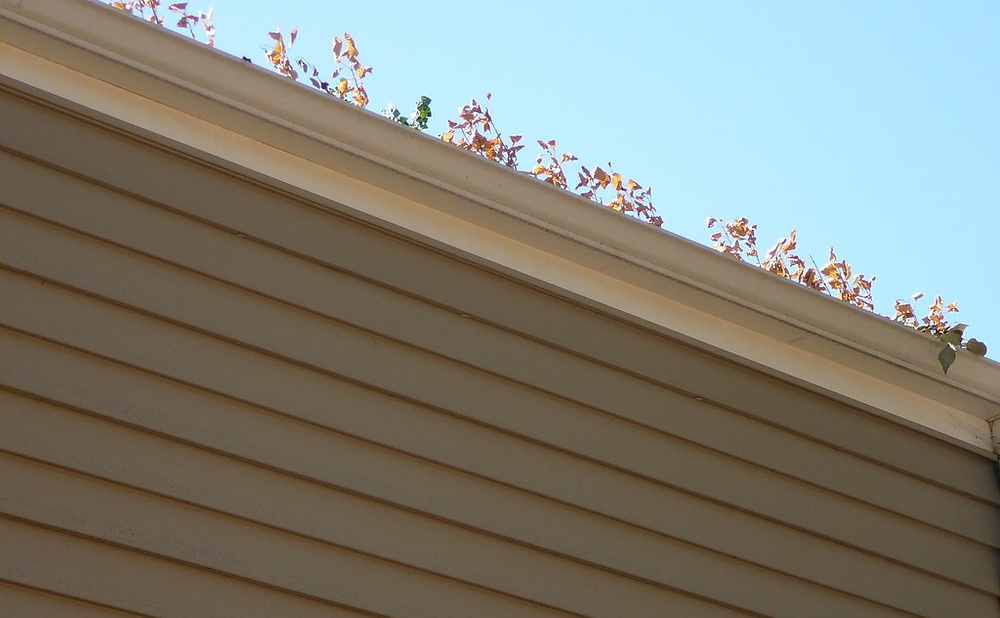
Some tasks are fair game for a careful homeowner who stays on the ground or a well-placed ladder. You can clean gutters, clear leaves from valleys you can reach safely, trim branches that rub the roof, and reseal a gutter seam.
Larger repairs carry real risk. Patching with the wrong sealant, mixing incompatible shingles, or nailing in the wrong place can void a manufacturer’s warranty. Insurers may also question a storm claim if DIY work disturbed the damage, so photograph everything and call your agent before you start anything major.
Roof Inspection Cost: What Drives the Price and What Is Included

Professional inspection prices vary by region, roof size, pitch, and method. Some roofers offer free inspections when they expect to quote a repair, while independent inspectors and drone or infrared surveys usually charge a flat fee. Either way, get the price and scope in writing before anyone climbs a ladder.
A good inspection report should include photos of each slope; notes on the flashing, gutters, ventilation, and attic; an estimate of remaining roof life; and a prioritized list of repairs. If a report simply says you need a new roof, with no photos or reasons, get a second opinion before you sign anything.
Photo Checklist to Send a Roofer Before They Arrive
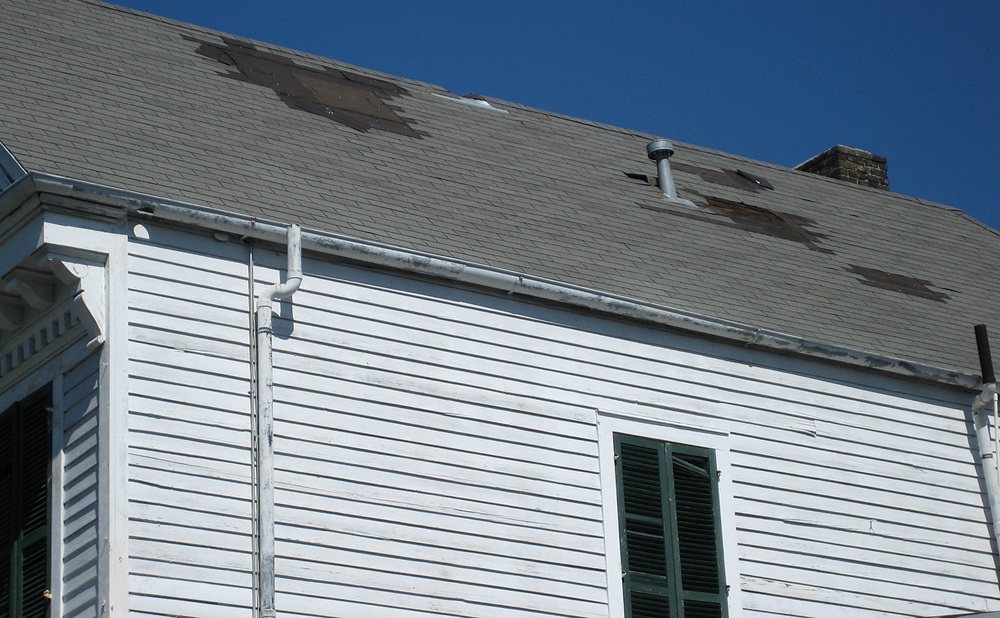
Good photos speed up quotes and keep everyone honest. Shoot each roof slope from the ground, then zoom in on any damage you spotted with binoculars. Add close-ups of the chimney and vent flashing, gutters, drip edge, and any soft fascia or stained soffits you found.
Inside, photograph ceiling stains with a tape measure for scale, along with the matching area in the attic. Include any wet insulation or daylight showing through the deck. Date the files and keep them in one folder so you can compare season to season and share a clear record with roofers or your insurer.
Seasonal Timing for US and Canada Climates (Fall and Spring)
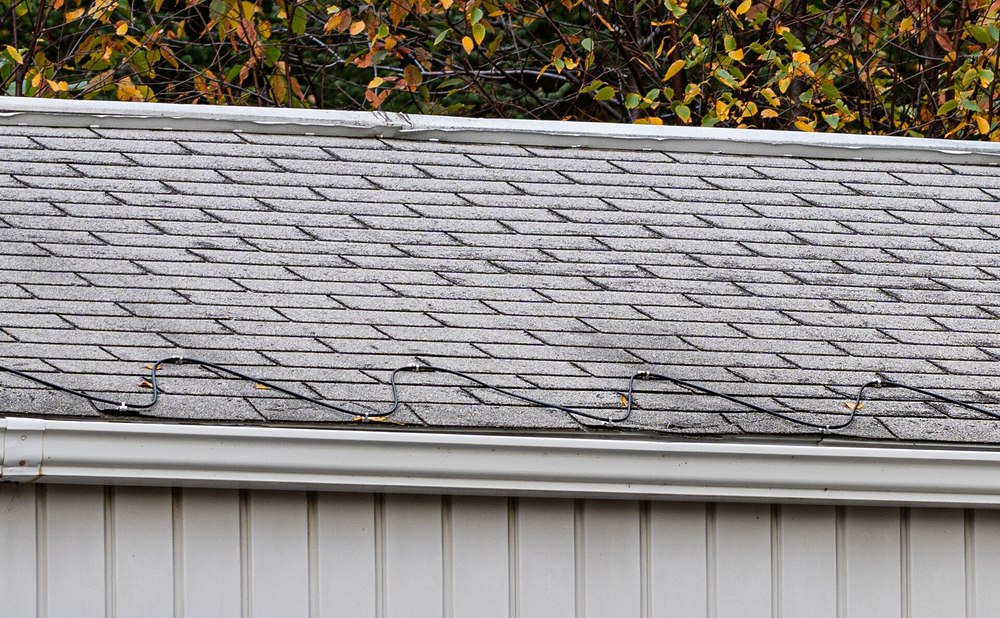
For homes with freezing winters, fall is the most important check. You want gutters clear, flashing sealed, and loose shingles fixed before snow and ice dams arrive. In Canada and the northern US, roofers book up fast in late autumn, so an early inspection gives you time to schedule repairs.
Spring brings the second check. Look for shingles lifted by winter wind, damage from ice buildup, and debris left behind by melting snow. In regions prone to hurricanes, hail, or wildfires, add a quick look after every major storm. Sticking to a consistent schedule makes it easier to see what changed and when.
Signs You Need a New Roof (Not Just a Patch)
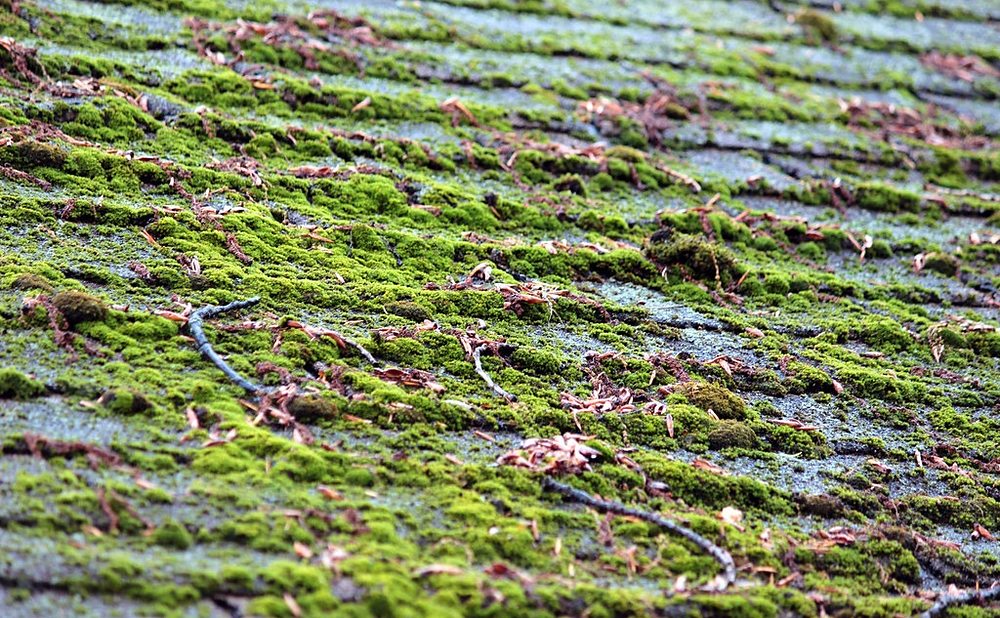
Age is the first clue. If your asphalt roof is nearing the end of its expected life and you see widespread curling, cracking, or granule loss on several slopes, patches will only buy time. Repeated leaks in different spots, sagging areas, or soft, spongy decking also point to replacement.
A roof covered in mismatched patches from past repairs is another sign. Daylight showing through the deck in many places, moss or rot spreading across the surface, and heavy granule buildup in every gutter all tell the same story. When repair quotes keep climbing, compare them against the cost of a full replacement.
Hiring a Licensed Roofer: Questions Builders Always Ask
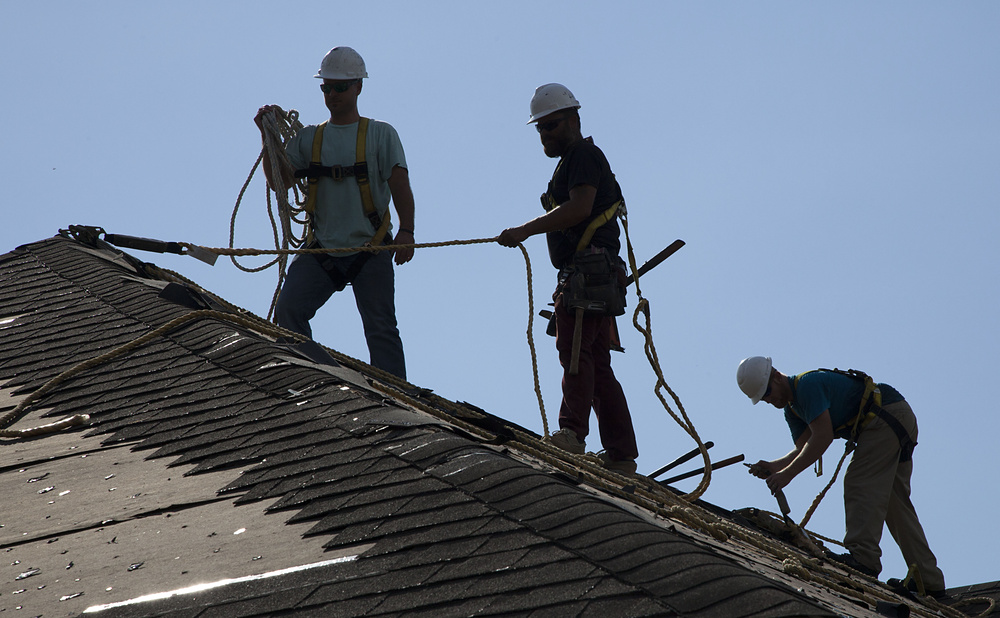
Builders vet roofers with a short list of questions, and homeowners can use the same list. Ask for proof of a license where your area requires one, along with liability insurance and workers’ compensation coverage. Find out whether the crew is in-house or subcontracted, and who will supervise the job on site.
Get a written estimate that spells out the materials, underlayment, flashing, ventilation work, tear-off, disposal, and permits. Ask about both the manufacturer’s warranty and the workmanship warranty, and how long each one lasts. Steer clear of crews that demand full payment up front or show up uninvited after a storm.
Inspection timing, repair limits, and warranty terms vary by roof type, manufacturer, insurer, and local code. Follow your shingle or panel manufacturer’s guidance, and consult a licensed roofer for anything beyond a ground and attic inspection.
Amazing Builder Partners