Furnace maintenance can be the difference between a warm house and a long, cold night when the heat quits. Breakdowns tend to strike on the coldest days, when the system works hardest and repair crews are booked solid.

You can handle many simple checks yourself in under an hour. This furnace maintenance checklist covers the 12 DIY checks that matter most, from filters and vents to carbon monoxide safety. It also shows you which jobs belong to a licensed pro, so you stay safe while you keep the heat on all winter.
Check the Furnace Filter Every Month in Winter
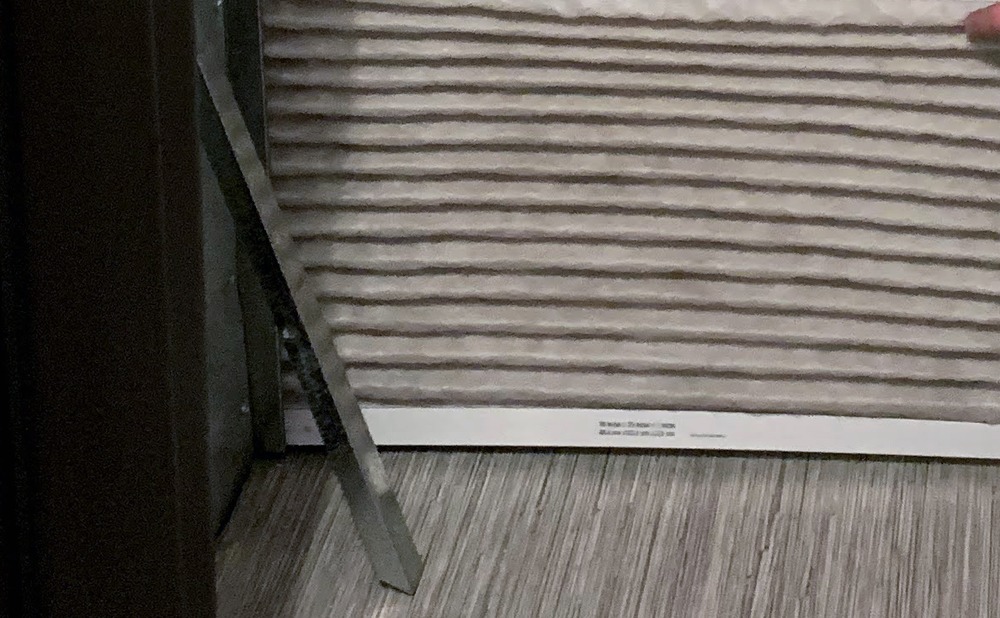
Check the furnace filter every month in winter, and change it when it looks gray or clogged. ENERGY STAR recommends inspecting, cleaning or changing air filters once a month, because a dirty filter raises energy costs and can damage the equipment.
Slide the old filter out and hold it up to a light. If you can’t see light through it, replace it. Some homes hold the filter behind a ceiling or wall return grille instead of at the furnace, so check there too. Match the size printed on the frame, and point the airflow arrow toward the blower.
How Often Should You Service Your Furnace?
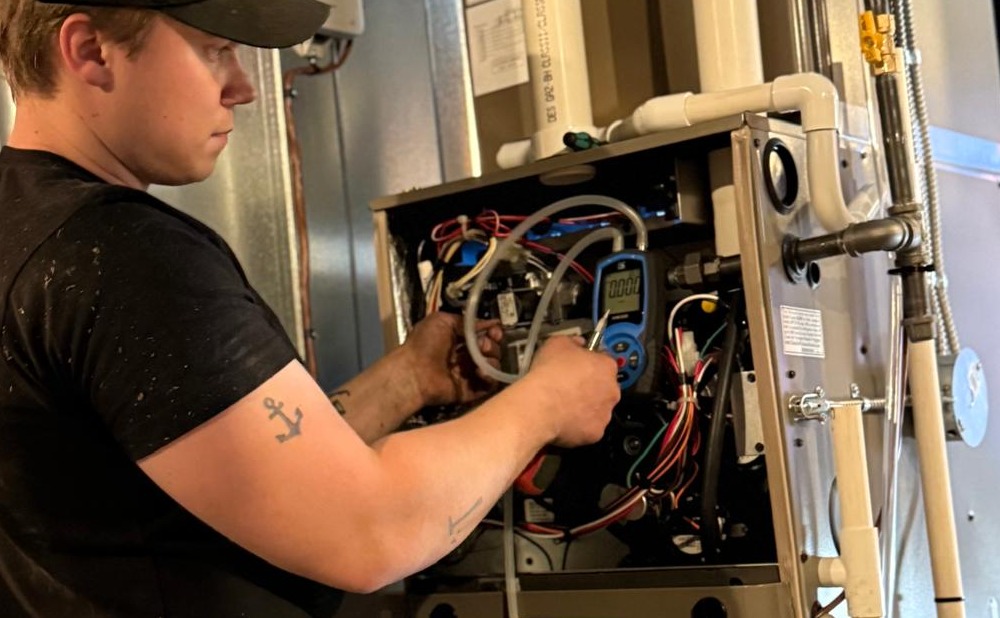
You should have a pro service your furnace once a year, ideally in the fall before the heating season starts. ENERGY STAR suggests annual pre-season check-ups, since contractors get busy once winter arrives.
A typical check-up covers gas connections, burner combustion, the heat exchanger, electrical connections and system controls. Between visits, the DIY checks below keep the system running well. Book early, and keep a simple log of each visit and filter change.
Turn Off the Power and Gas Before You Open the Panel
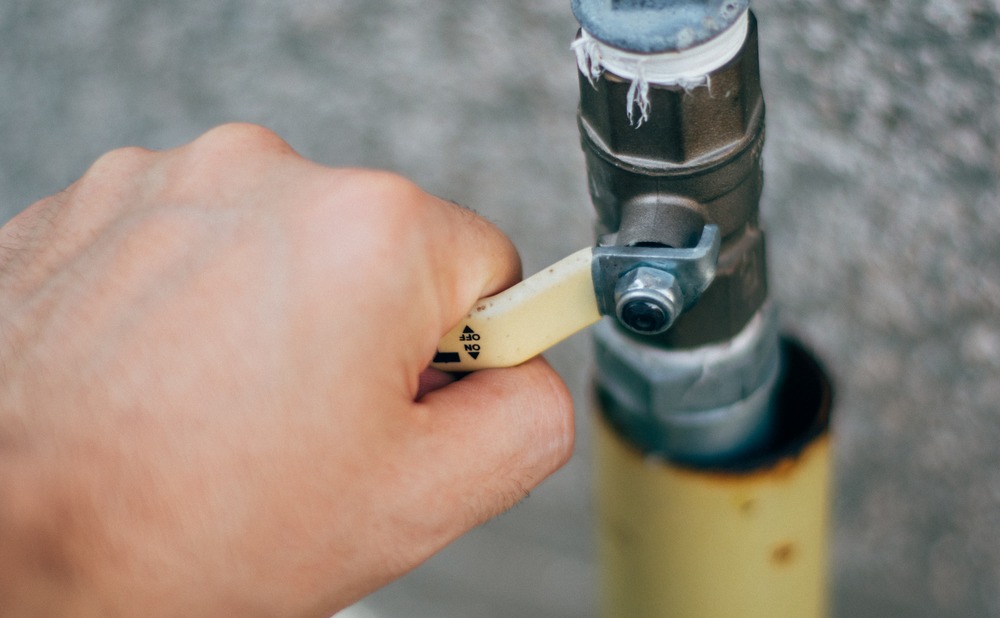
Turn off the power and gas before you open the panel for any DIY check. Most furnaces have a light-switch-style power switch on or near the unit, and you can also shut off the breaker.
For gas furnaces, turn the gas valve to the off position, with the handle crosswise to the pipe. Wait a few minutes for parts to cool. If you smell gas at any point, leave the house and call your gas company from outside.
Seal Leaky Furnace Ducts With Foil Tape
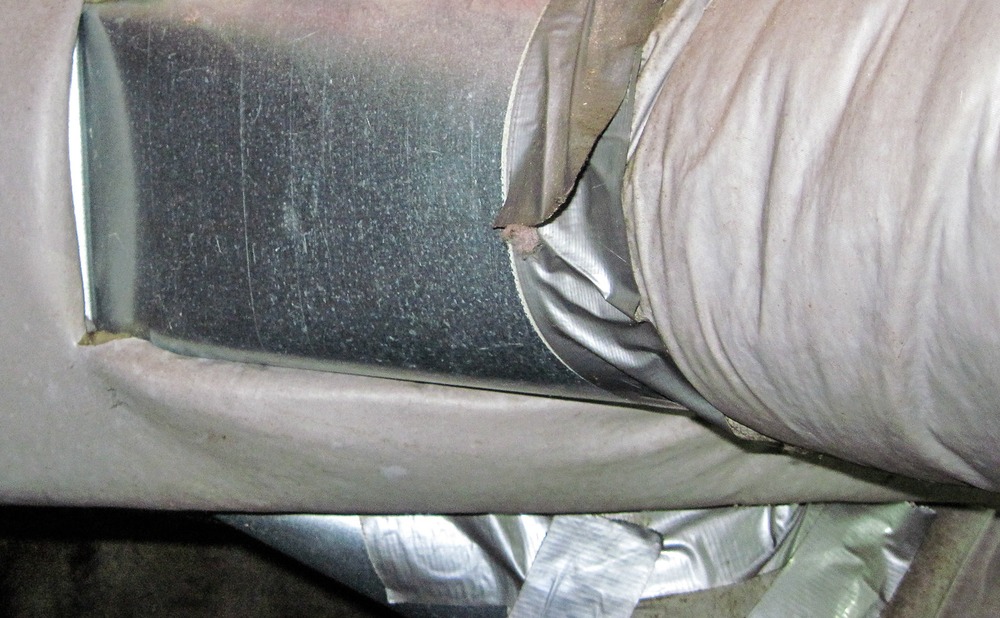
Seal leaky furnace ducts with foil tape so warm air reaches the rooms that need it. Skip cloth duct tape, which dries out and peels. Use foil HVAC tape, which is sticky metal tape made for heating ducts, or brush on mastic, a thick sealant made for the same joints.
In a reachable basement, check the joints where two ducts meet and the takeoffs that branch off the main trunk. Press the tape firmly around each joint, or brush on a thin coat of mastic and let it cure as the label directs. Even a few sealed joints can cut heat loss and help rooms far from the furnace warm up faster.
Insulate Exposed Furnace Ducts in the Attic or Crawl Space
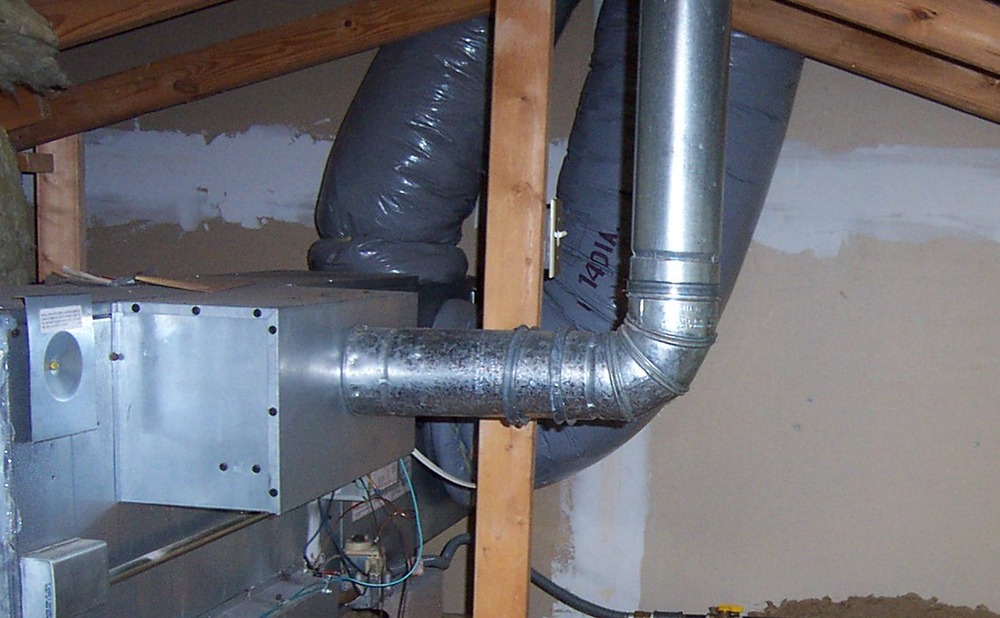
Insulate exposed furnace ducts in the attic or crawl space so heat does not leak into those cold areas. Bare metal ducts and bare flex duct, the bendable tube that carries heated air, lose warmth before it reaches your rooms. Wrap the runs with foil-faced duct insulation, or use insulated flex duct that already has a jacket.
Seal the joints first, then add the insulation so air cannot escape under the wrap. Keep the wrap snug, but do not crush flex duct, because a pinched tube chokes airflow. Wear a mask and gloves, and watch your step in a dusty attic or crawl space.
Check the Burner Flame: Blue Is Good, Yellow Needs a Pro
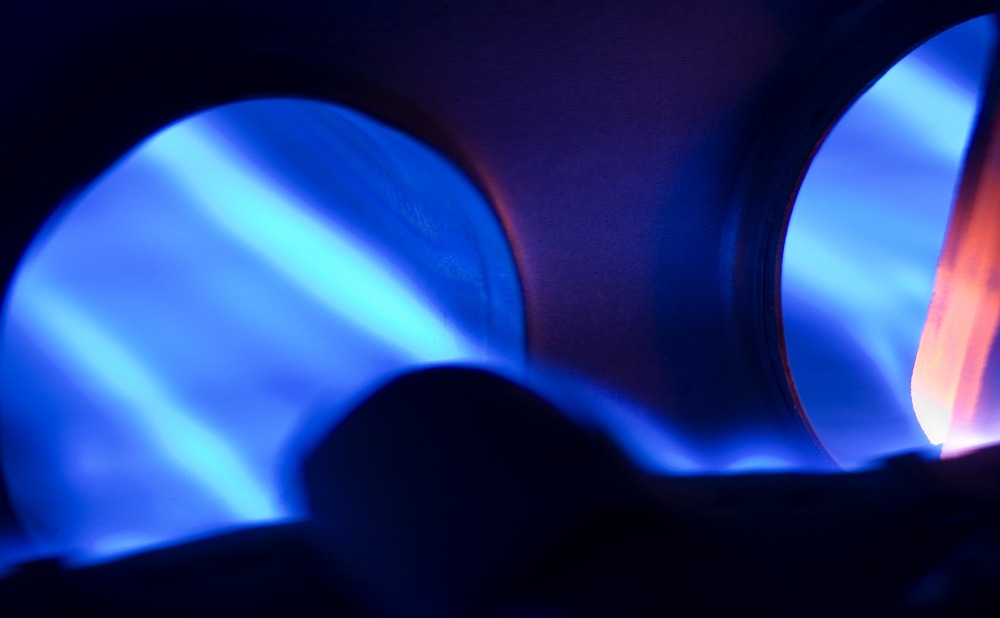
Check the burner flame through the sight glass when the furnace is running. A steady blue flame is a good sign. A yellow, orange or flickering flame can mean dirty burners or poor combustion.
This is a look-and-call check, not a repair. Burner combustion and the heat exchanger are jobs for a licensed technician, as ENERGY STAR notes. If you see yellow flames or soot, turn the system off and book a service visit.

Test the Thermostat and Swap Its Batteries
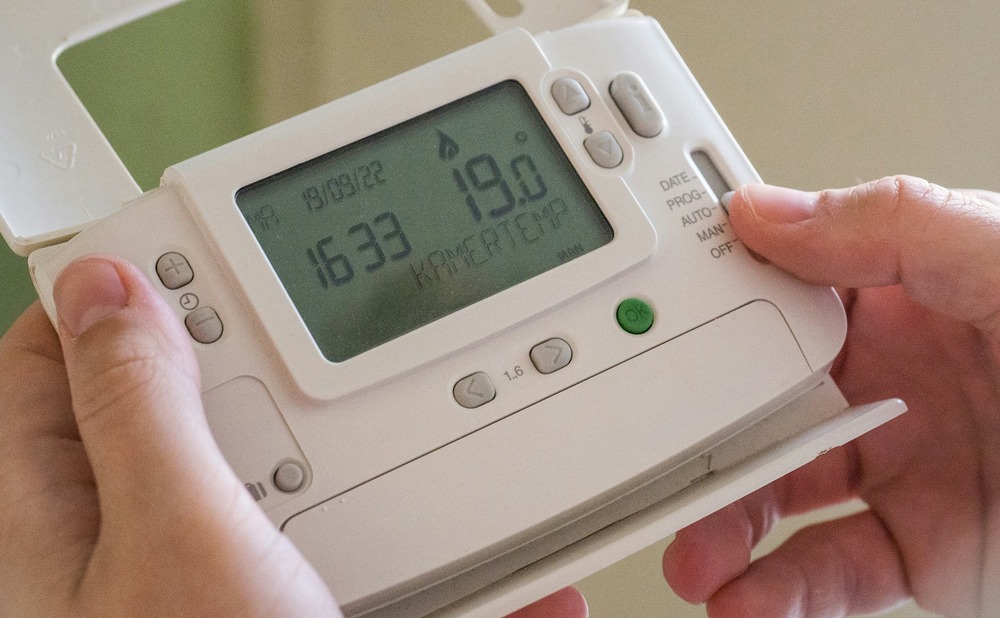
Test the thermostat and swap its batteries before the first cold snap. Raise the set point a few degrees and listen for the furnace to start within a few minutes.
Weak batteries can make the screen fade or the system stop responding. Replace them each fall, even if the low-battery warning hasn’t shown yet. A programmable or smart thermostat can lower the heat while you sleep or are away, which saves energy without making the house feel cold when you’re home.
Clear Every Supply and Return Vent
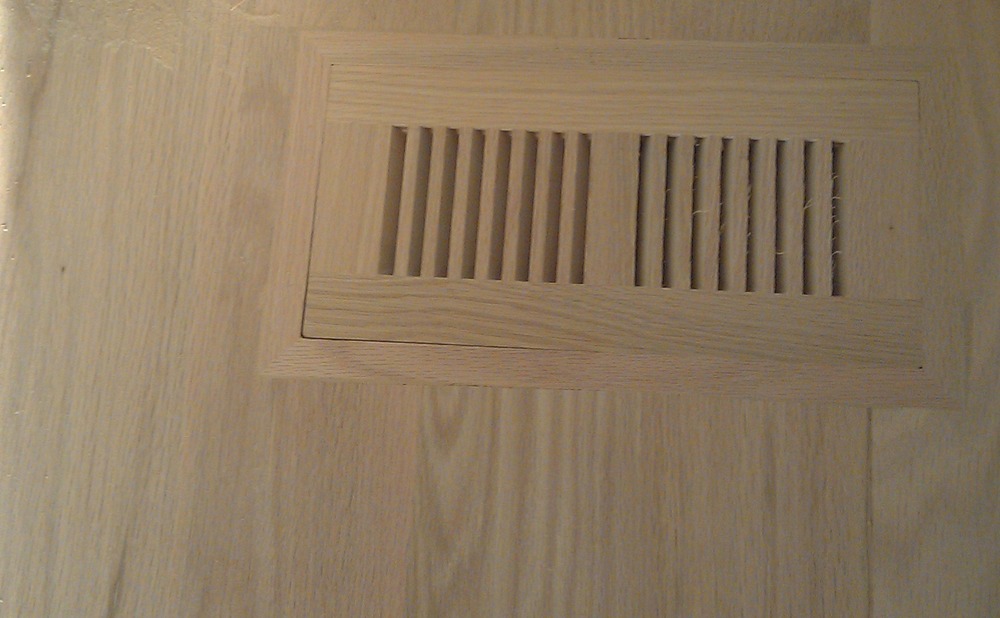
Clear every supply and return vent so warm air can move through your home. Rugs, couches, beds and curtains often block registers without anyone noticing.
Vacuum each grille and open any closed dampers in rooms you use. Blocked returns make the furnace work harder and can cause it to overheat. If one room is always cold, check for drafts, too. Our guide on how to stop drafts with weatherstripping shows simple fixes.
Keep the Exhaust and Intake Vents Free of Snow
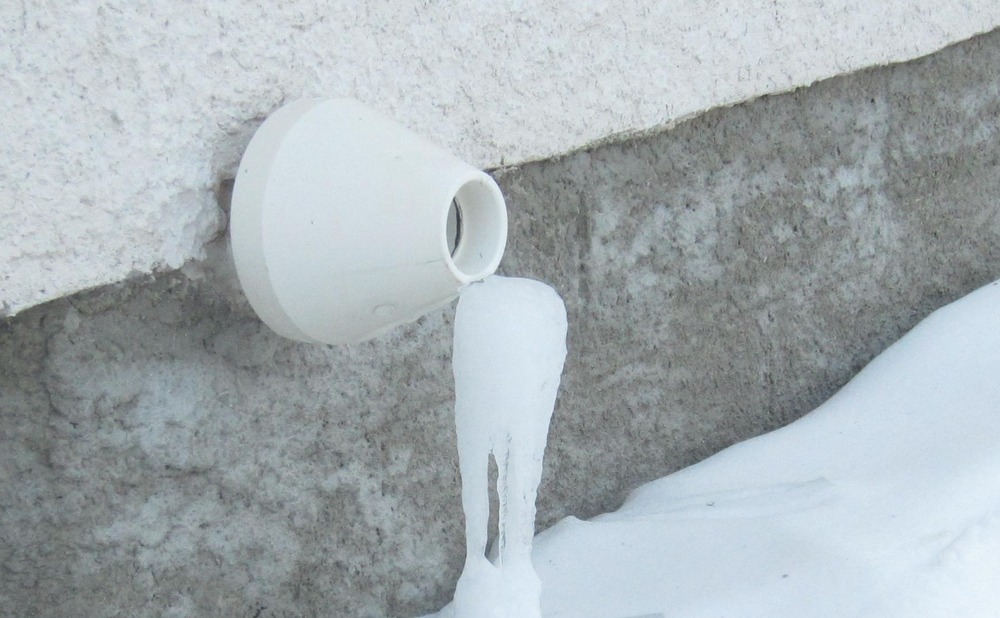
Keep the exhaust and intake vents free of snow, ice and leaves all winter. High-efficiency furnaces often vent through two white plastic pipes on a side wall, and a blocked pipe can shut the furnace down.
A blocked exhaust can also push carbon monoxide back into the house. Check the vents after every storm and brush them clear by hand. Keep shrubs trimmed and snowbanks away from them.
Inspect the Furnace Flue Pipe for Rust and Gaps
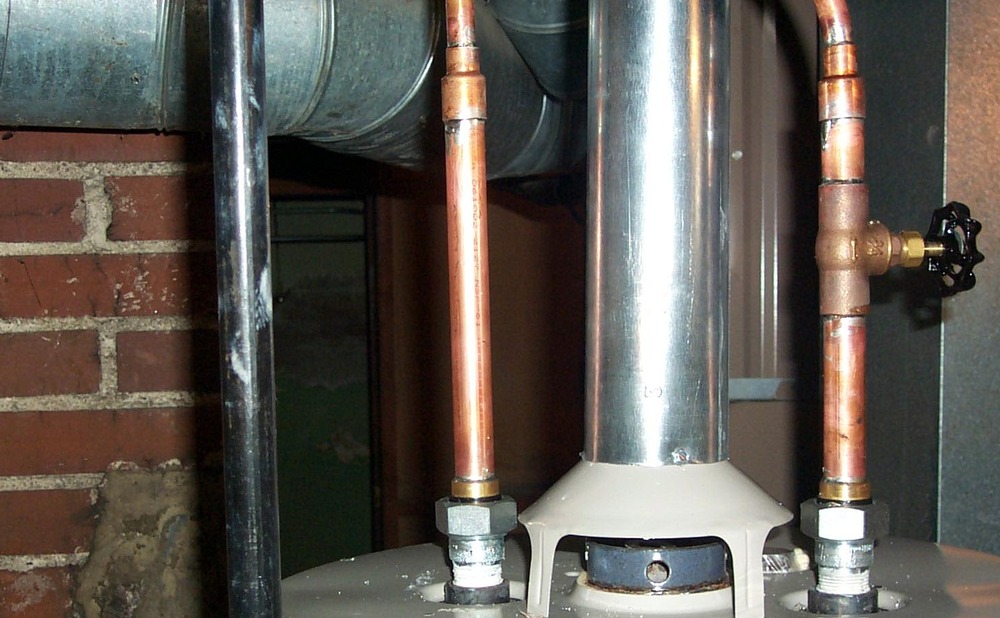
Inspect the furnace flue pipe for rust and gaps before the heating season, and check it again if you notice a strange smell or soot. This metal pipe carries exhaust out of the house, usually up to a chimney or through the roof. Look for rust, holes, loose joints and any sagging that pulls a joint open.
Call a licensed pro if you find any of these problems, because a damaged flue can let carbon monoxide leak into the house. Your job is just the visual check, so leave every repair, even a small one, to someone trained for this work. A water heater vent that shares the same chimney or flue gets the same check for rust and gaps.
Test the Carbon Monoxide Detector Near the Furnace
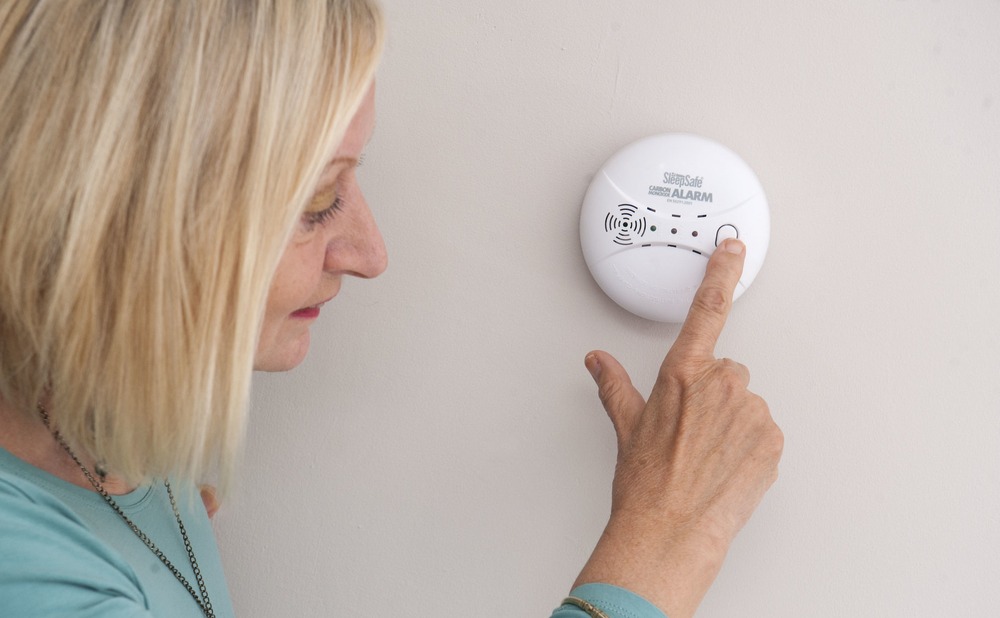
Test the carbon monoxide detector near the furnace and on every sleeping level of your home. Press the test button until the alarm sounds, and replace batteries as needed.
Carbon monoxide has no color or smell, so an alarm is your only warning. Most detectors need replacement after several years, so check the date on the back. Our list of basic home repairs you can DIY covers alarms and other quick checks.
When Should You Call a Pro About Your Furnace?
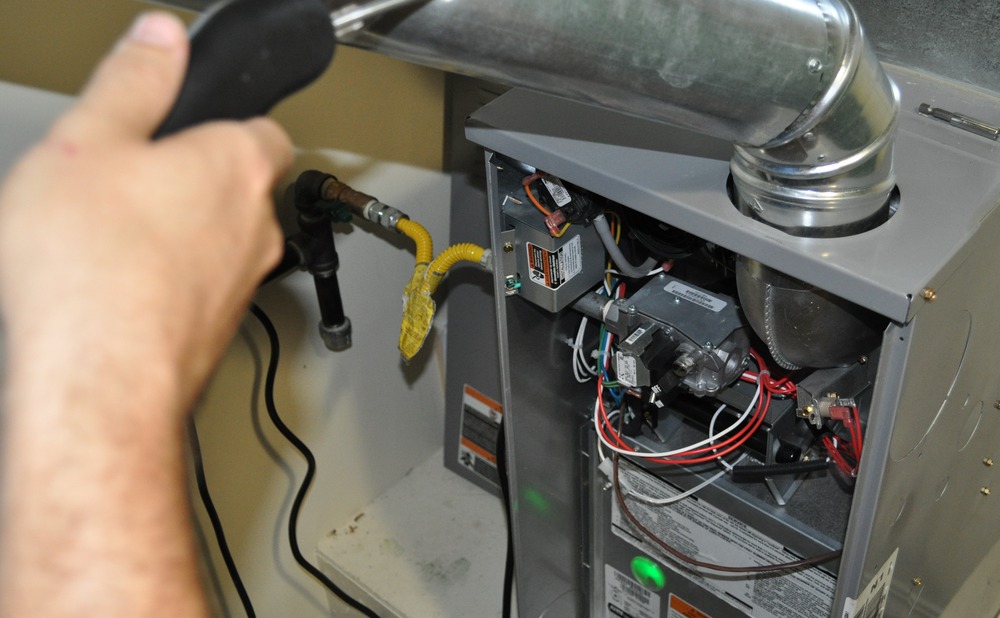
You should call a pro about your furnace when you smell gas, see a yellow flame or soot, hear banging or grinding, notice short cycling, or your carbon monoxide alarm sounds. These signs can point to safety problems that DIY checks can’t fix.
Also call if some rooms stay cold after you clear the vents and change the filter. For a gas smell or a CO alarm, leave the house first and call from outside. If you heat with wood, too, see our guide to chimney cleaning and fireplace safety.
A simple furnace maintenance routine keeps your home warm and safe all winter. Change the filter, clear the vents and test your alarms, then let a pro handle the yearly check-up. Start with the filter today, since it’s the easiest check and often the one that matters most.
Amazing Builder Partners