
Hardwood
Grey Alder
Grey alder (Alnus incana) is a reddish, even-textured hardwood from Europe, Russia and North America, used for carpentry, turning, carving and sauna benches. This guide covers its Janka hardness, weight, shrinkage, rot resistance, workability and common uses.
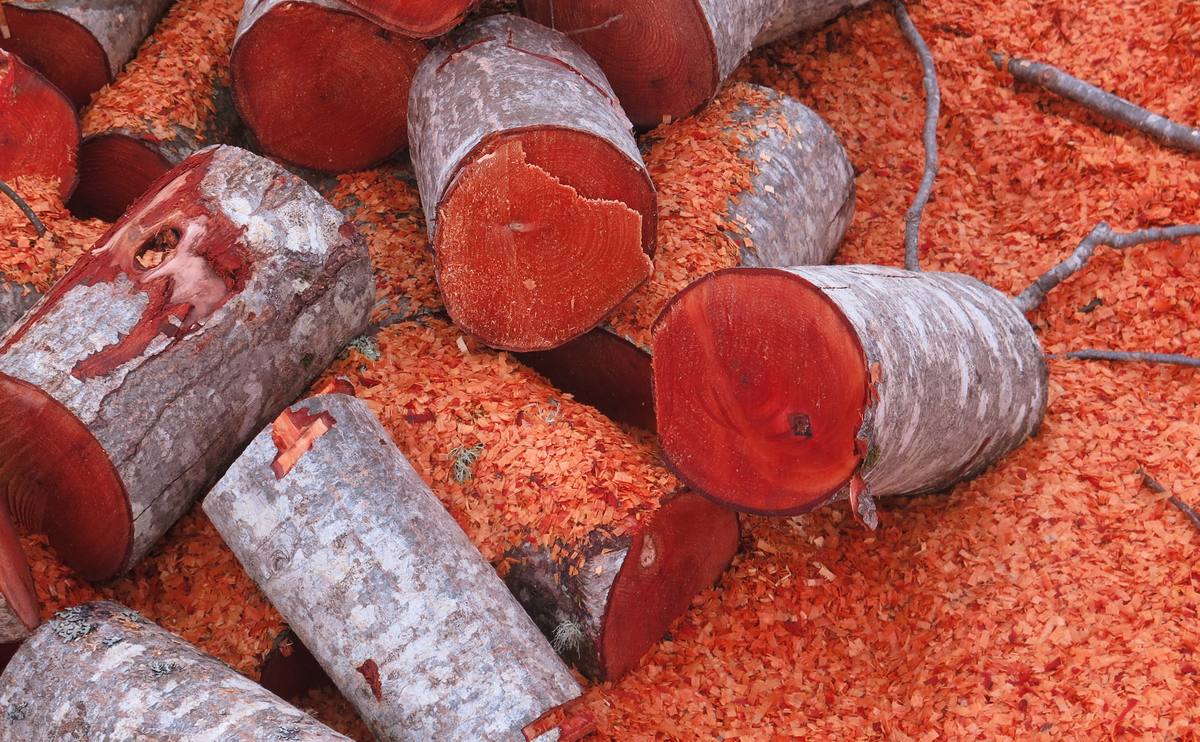
Photo: Ole Husby
Specs
Wood Name
Grey Alder
Common Name(s)
Grey alder, speckled alder, thinleaf alder, mountain alder, Grauerle (German)
Scientific Name
Alnus incana (L.) Moench
Wood Type
Hardwood
Distribution
Grey alder is native to central and northern Europe, east through Russia and the Caucasus to western Siberia and Turkey. It also grows across Canada and the northern United States. Another subspecies lives in central and northeast Asia. It reaches further north than European alder, and it is not native to the United Kingdom.
Tree Size
The tree is small to medium and short lived. It can reach 79 ft (24 m), and IUCN gives 49 to 66 ft (15 to 20 m). It often grows as a many-stemmed shrub. A reliable trunk diameter is Not confirmed.
Average Dried Weight
Air-dry sawn wood weighs 31.2 to 33.1 lbs/ft³ (500 to 530 kg/m³) (PuuProffa).Source: PuuProffa
Specific Gravity (Basic, 12% MC)
Not confirmed
Janka Hardness
Not confirmed
Modulus of Rupture
Not confirmed
Elastic Modulus
Not confirmed
Crushing Strength
Not confirmed
Shrinkage
Not confirmed. PuuProffa says the wood shrinks and swells only a little.Source: PuuProffa
Description
Color/Appearance
The wood is reddish with little difference between sapwood and heartwood. Another source describes whitish sapwood that darkens and a yellowish to reddish white core. Felling time, site and drying change the shade. Flame and bird’s-eye patterns sometimes appear.
Grain/Texture
The grain is straight and the quality is even. The pores are very fine, so the surface looks smooth.
Rot Resistance
The wood is not durable. It rates class 5 on the European EN 350 scale (perishable). PuuProffa says fresh wood rots easily but becomes more durable once dry. Use it indoors.
Workability
The wood is soft and brittle. It is easy to work, split and finish. It dries quickly. It turns and carves well. Machining takes only moderate effort.
Odor
Reports differ. One Austrian wood key describes a faintly sour smell, while the UK merchant lists none.
Allergies/Toxicity
Not confirmed for this species. Health agencies treat all wood dust as a hazard, and it can irritate the nose, throat and skin. Wear a dust mask and use dust collection when you cut or sand it.
Pricing/Availability
IUCN and the European forest atlas say the wood has little commercial value and mostly goes to fuel. Finland has recently used it more in carpentry. The UK merchant lists it at a budget price with regional supply. North American availability is Not confirmed.
Sustainability
IUCN rates Alnus incana as Least Concern (assessed August 1, 2014, stable population). It does not appear in the CITES Appendices valid from March 5, 2026.
Common Uses
Grey alder is used in carpentry, interior joinery, musical instruments, turning and carving. Makers also use it for decorative items and sauna benches. Older uses include clogs, shoe lasts, bowls and woodcuts. It is good firewood and smoking chips.
Sources
- PuuProffa (Aalto University wood species guide), Grey alder, puuproffa.aalto.fi
- Hawksbury Timber (UK timber merchant), Grey alder species page (typical values at about 12% MC), hawksburytimber.co.uk
- European Atlas of Forest Tree Species, Alnus incana (Houston Durrant, de Rigo, Caudullo), forest.jrc.ec.europa.eu
- IUCN Red List, Alnus incana (Shaw, Wilson and Roy 2014), iucnredlist.org
- Plants of the World Online, Alnus incana, powo.science.kew.org
- Informationsdienst Holz, Erlenhoelzer (German wood guide, Merkblatt 086), holzvomfach.de
- Holzbestimmungsschluessel (Austrian wood key), Grauerle, holzerkennung.at
- USDA NRCS Plant Guide, Thinleaf alder, plants.sc.egov.usda.gov
- CCOHS, Wood Dust – Health Effects (revised March 28, 2023), ccohs.ca
Photos
Cut log ends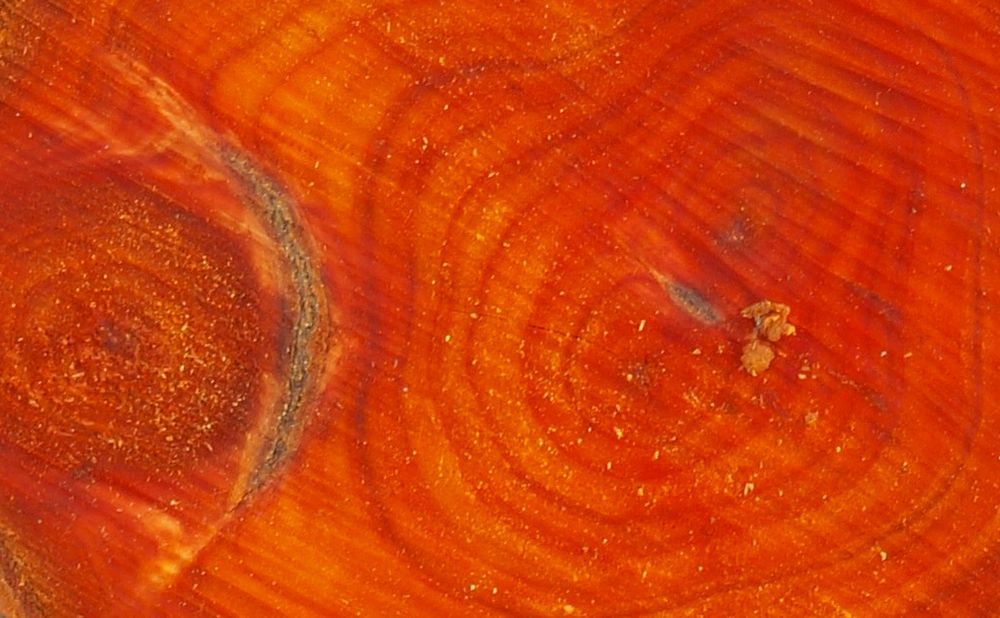 End grain, log end