
Softwood
Atlas Cedar
Atlas cedar (Cedrus atlantica) is a straw to light reddish brown true cedar from the mountains of Morocco and Algeria, now endangered, used for veneer, cabinetry and building work. This guide covers its Janka hardness, weight, shrinkage, rot resistance, workability and common uses.
Specs
Wood Name
Atlas Cedar
Common Name(s)
Atlas cedar, cedar (Atlas)
Scientific Name
Cedrus atlantica (Endl.) Manetti ex Carriere
Wood Type
Softwood
Distribution
Atlas cedar is native to the Atlas and Rif mountains of Morocco and Algeria.
Tree Size
Typical trees are 65 to 115 ft (20 to 35 m) tall with a trunk 36 to 60 in (1 to 1.5 m) across.
Average Dried Weight
Average dried weight is 33.0 lbs/ft³ (530 kg/m³) at 12% MC.
Specific Gravity (Basic, 12% MC)
Specific gravity is 0.44 basic (oven-dry weight, green volume) and 0.53 at 12% MC.
Janka Hardness
Side hardness is 660 lbf (2,940 N), an estimate from density, not a measured test.
Modulus of Rupture
Modulus of rupture is 12,640 psi (87.2 MPa).
Elastic Modulus
Elastic modulus is 1,419,000 psi (9,780 MPa).
Crushing Strength
Crushing strength is 6,580 psi (45.4 MPa).
Shrinkage
Shrinkage is 4.4% radial, 6.2% tangential and 10.8% by volume, a ratio of 1.4.
Description
Color/Appearance
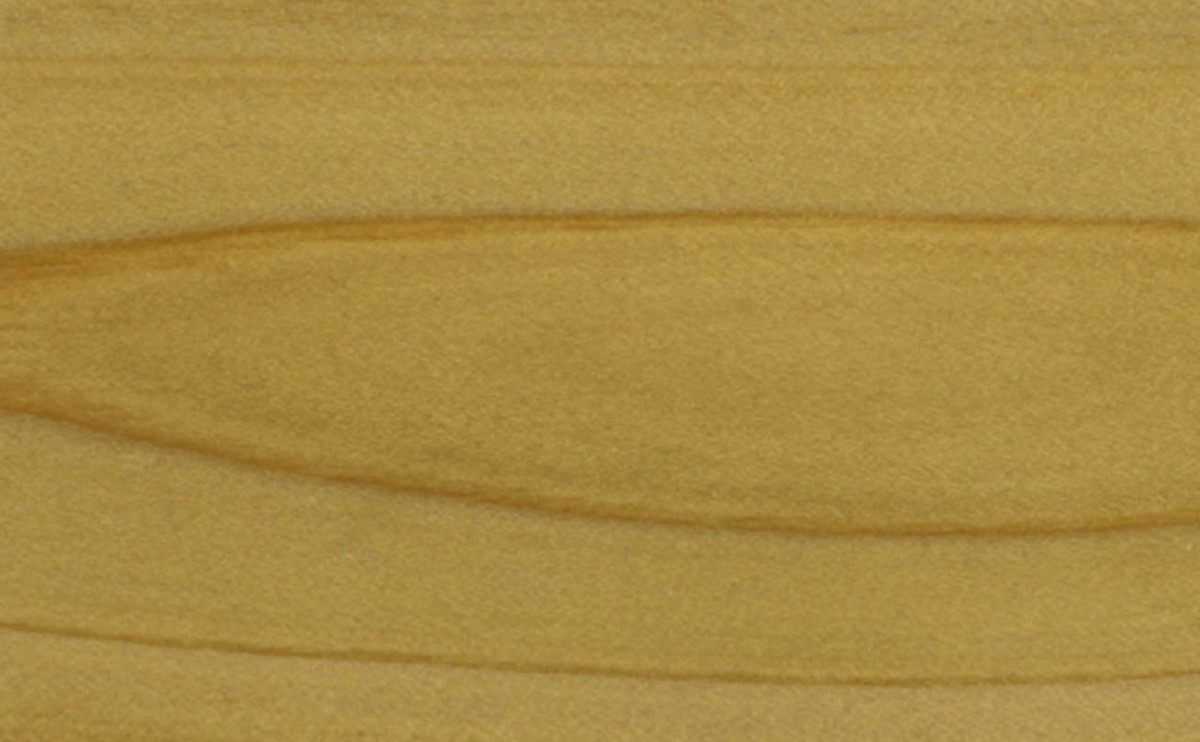
The heartwood ranges from straw-colored to light reddish brown, with a narrow band of pale yellowish white sapwood. Large knots can show up, depending on how and where the tree grew. The same color description is used for cedar of Lebanon.
Grain/Texture
The grain is mostly straight, but knots or bark inclusions can disturb it. The texture is medium to coarse, with a moderate to low sheen.
Rot Resistance
The wood is rated very durable, with good resistance to insects and borers.
Workability
Hand and machine tools cut it easily, though knots and irregular grain can cause trouble in machining. It turns, glues and takes a finish well.
Odor
It has a sweet scent that lingers.
Allergies/Toxicity
There is no separate health note for Atlas cedar. Similar reactions to cedar of Lebanon would be a fair caution: severe reactions are uncommon, but that related wood has been reported to cause skin and breathing irritation, a runny nose and asthma-like symptoms. Treat this as a related-species caution, not a tested result for C. atlantica. Health agencies treat all wood dust as a hazard, and it can irritate the nose, throat and skin. Wear a dust mask and use dust collection when you cut or sand it.
Pricing/Availability
The wood is not commonly sold in North America. Storm-damaged or ornamental trees sometimes yield small craft and turning blanks. Supply is better in Europe, as lumber and veneer, and prices run higher than ordinary construction softwoods but still in the low to mid range for decorative stock. Prices are not quoted here.
Sustainability
Cedrus atlantica is listed as Endangered under criteria A2cd (assessed February 7, 2013; published 2013, marked as needing an update). The rating reflects a population reduction of more than 50% over the past three generations, from a shrinking range and exploitation. The population is decreasing and severely fragmented.
Common Uses
Veneer, cabinetry, building construction, boxes and chests (including interior lining) and turned objects.
Sources
- IUCN Red List, Cedrus atlantica (Thomas, 2013; assessed 2013), iucnredlist.org
- The Wood Database, atlas-cedar page (secondary reference, used for cross-checks and gaps), wood-database.com
- CITES Appendices I, II and III valid from March 5, 2026, cites.org
- CITES Checklist search, Cedrus atlantica (no listing returned; the Appendices above are the legal text), checklist.cites.org
- BfN CITES tree list, March 5, 2026 (pointer only; the Appendices above are the legal text), bfn.de
- CCOHS, Wood Dust – Health Effects (revised March 28, 2023), ccohs.ca
- Photo: CIRAD, Wikimedia Commons, public domain (1 of 2), commons.wikimedia.org
- Photo: CIRAD, Wikimedia Commons, public domain (2 of 2), commons.wikimedia.org
Photos
Face grain, plate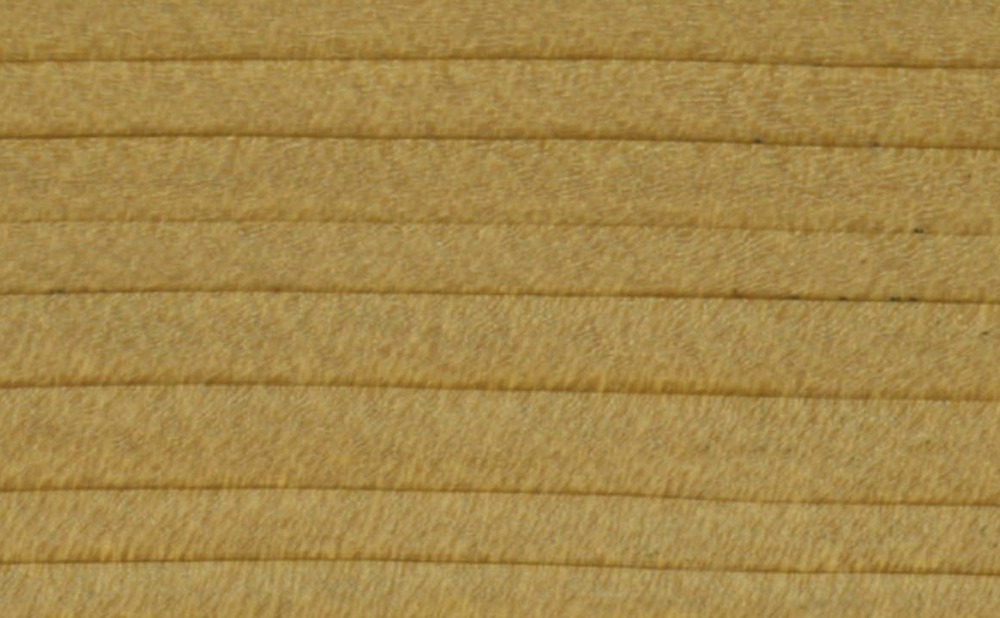 Face grain, plate