We’ll go over the various types of hurricane shutters and how to pick the best hurricane shutters for your home in the event of a storm.

We will help you shop for the right hurricane shutters and share with you how to properly install them.
Benefits of Hurricane Shutters vs. Plywood
Hurricanes and other types of storms can cause high winds, rain, and flying objects, which can destroy windows and allow rainwater, dirt, and debris into your home; causing severe damage and mold and mildew.
Hurricane shutters are intended to keep your windows from shattering and to prevent roof damage caused by pressure shifts from shattered windows.
While it is customary to nail plywood over windows before a storm, plywood is frequently insufficiently strong to withstand the type of severe damage caused by high winds.
Hurricane shutters, which are commercially available, are specially designed to withstand extreme weather. Here are some more things to think about:
- Plywood is only good for one application, whereas hurricane shutters can be reused year after year.
- Hurricane shutters have a more appealing appearance than plywood.
- Removing plywood takes as long as it does to install it, and pulling out the nails can damage the exterior of your home. During high winds, loose nails can also become projectiles. Storm panels are easier to remove because they are attached with purpose-built hardware.
- Storm panels are stackable and lightweight, making them ideal for storage.
Hurricane Shutter Types
The best type of hurricane shutters for your situation will be determined by a number of factors, including your budget and personal requirements.
Hurricane shutters are made from a variety of materials, with steel, aluminum, and polycarbonate being the most common.
Aluminum Hurricane Shutters
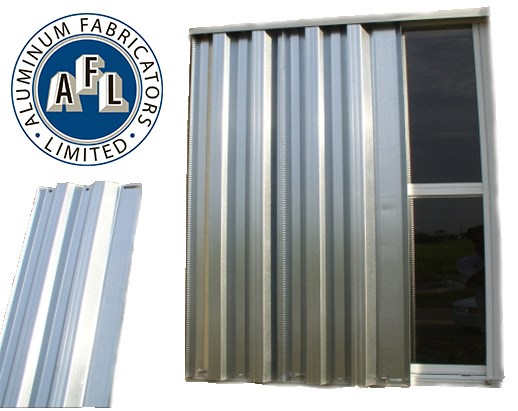
Aluminum hurricane shutters are much lighter than other metal varieties, making stacking them much easier.
Despite their lightweight, however, they are frequently thicker than steel alternatives.
Steel Hurricane Shutters
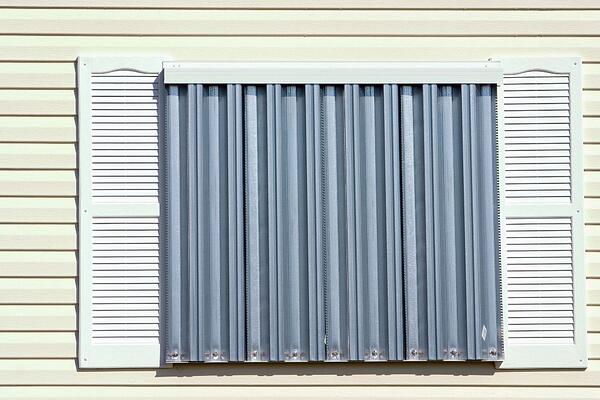
Steel hurricane shutters provide excellent weather protection and are one of the less expensive metal panel options.
Steel shutters are also heavier than other types, which can make installation more challenging if you have a large home with many windows that need to be covered.
Polycarbonate Hurricane Shutters
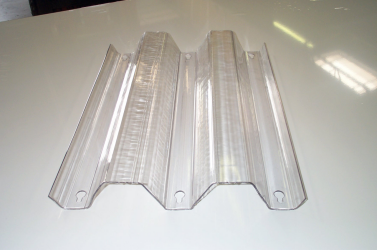
Polycarbonate hurricane panels are extremely strong and, in some ways, more convenient to handle and install than plywood or metal.
These storm panels have the added benefit of allowing light to pass through, which is useful in the event of a power outage or when putting up shutters ahead of a storm.
Other Suggestions for Selecting the Best Hurricane Shutters for Your Home
When purchasing storm panels, keep the following factors in mind:
- The best time to buy hurricane shutters is before the hurricane season begins. By planning ahead, you can avoid having to make a last-minute purchase or not being able to find what you need. Buying ahead of storm season gives you more time to install shutters before a storm hits.
- Storm panel installation requires two people. Make sure you have the assistance you need when the time comes.
- Check to see if the necessary hardware is included. If not, you’ll have to buy it separately.
Always Remember To
- Check your local building codes to ensure that the shutter type you’ve chosen is permitted in your area. Always follow the installation instructions provided by the manufacturer.
- Prepare ahead of time. The best time to install hurricane shutters is when the hurricane is expected to arrive at least 4 days prior. This helps you install the shutters properly.
Amazing Builder Partners