
Weatherstripping is the fastest way to stop drafts that make a room feel cold even when the heat is running. A thin gap under a door or around an attic hatch may not look like much. Add up all the small leaks in a house, though, and you have a steady stream of cold air coming in and warm air going out.

You feel it as chilly floors, a cold spot on the sofa and a furnace that seems to run all the time. Most of these leaks hide in the same places: exterior doors, the attic access, outlets on outside walls, and the spots where pipes and wires pass through.
Most of the fixes below are simple and low cost, and many take less than an hour. They focus on doors and whole-house air leaks, so you can work through your home one room at a time.
How Do You Find Drafts in Your House?

The easiest way to find drafts is the incense test. On a cold, windy day, hold a lit incense stick near door edges, trim, outlets and the attic hatch. Where the smoke wavers or blows sideways, air is moving through a gap. Keep the stick away from curtains and anything that can burn.
For doors, try a flashlight test after dark. One person shines a light along the edges from outside while another watches from inside. Any light that shows through marks a gap in the seal. Make a simple list as you go so you can fix the worst leaks first.
Choose the Right Weatherstripping for Each Gap
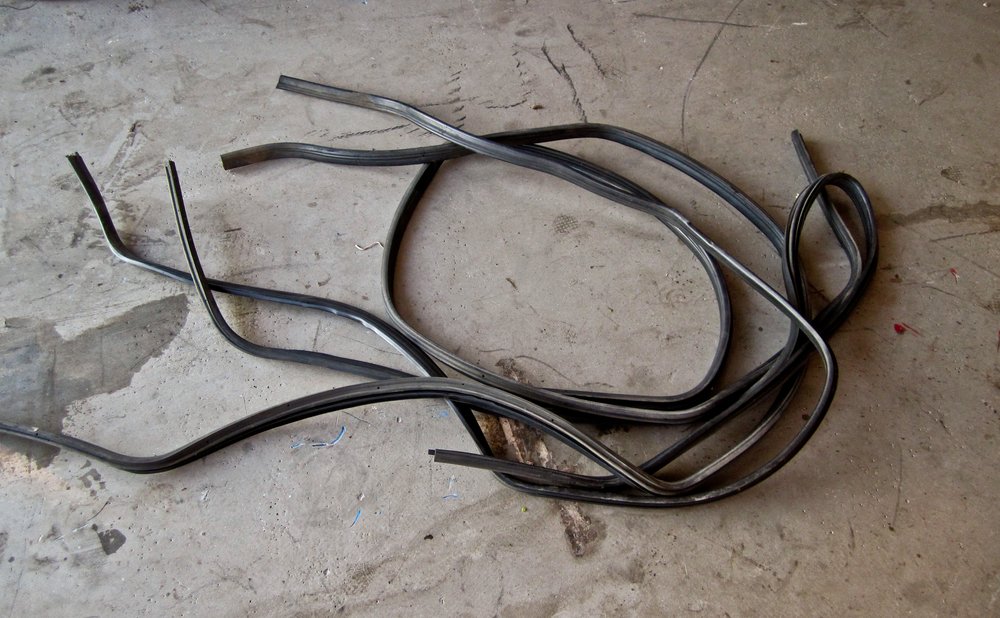
Choose weatherstripping by the size of the gap and how often the door or hatch moves. Adhesive foam tape is cheap and easy to apply, and it fits uneven gaps, but it wears out sooner than other types. Felt costs the least, but it also wears out the fastest.
V-strip, a folded strip of vinyl or metal, springs open to seal the sides of a door and lasts for years. Rubber or vinyl tube seals hold up well where a door closes against them every day. Measure the gap first, and buy a little more than you think you need.
Weatherstripping for Front Doors: Replace Worn Jamb Seals
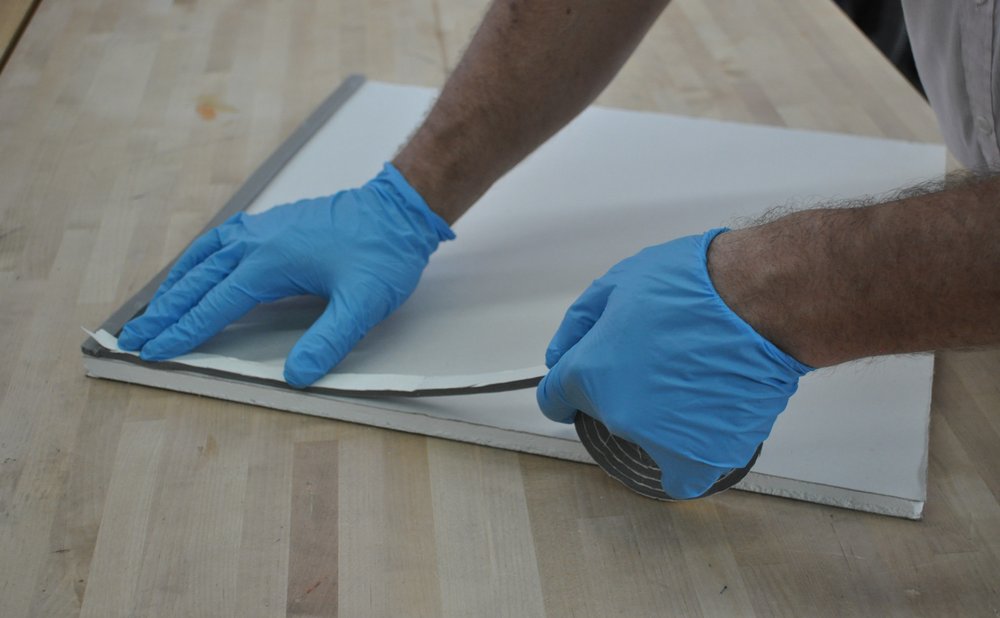
Weatherstripping for front doors often sits in a thin groove, or kerf, cut into the door jamb. Over time the foam or rubber flattens, tears or pulls loose. Close the door on a sheet of paper. If it slides out with no drag, the seal is no longer doing its job.
To replace it, pull the old strip straight out of the groove and press the new one in by hand, starting at the top. Take a piece of the old seal to the store so you can match the profile. A good seal lets the door latch easily while still pressing snugly all around.
Add a Door Sweep to Stop Drafts Under Doors
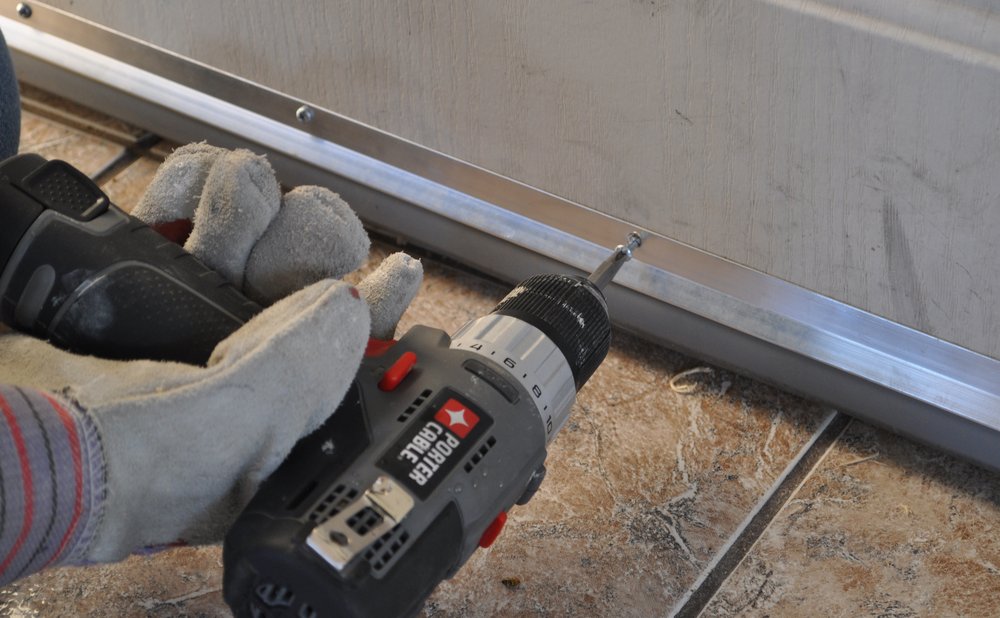
A door sweep is a strip of rubber, vinyl or brush bristles that mounts to the bottom of a door. It is one of the simplest ways to stop drafts under doors, where the gap is often wide enough to slip a finger through.
Most sweeps screw to the inside face of the door, and the slotted holes let you slide them up or down. Set the sweep so it just touches the threshold when the door is closed. Too low, and it drags and wears quickly. Too high, and cold air still sneaks under.
Adjust or Replace the Threshold
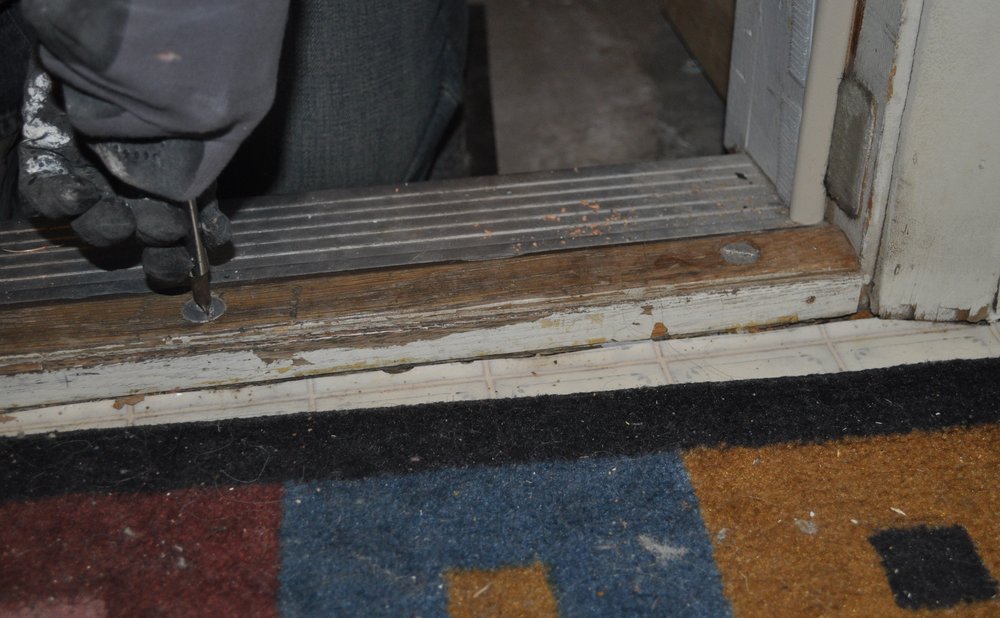
Many exterior doors have an adjustable threshold, the strip on the floor under the door. Look for a row of screws along the top. Turning them raises or lowers the cap so it meets the bottom of the door, closing the gap without a new sweep.
If the threshold is cracked, rotted or worn down in the middle, replace it. Some thresholds have a rubber or vinyl insert that pulls out and swaps easily. Check that the door still opens and closes smoothly after any change, and that you can still feel a light, even seal along its full width.
How to Stop Drafts From Sliding Glass Doors
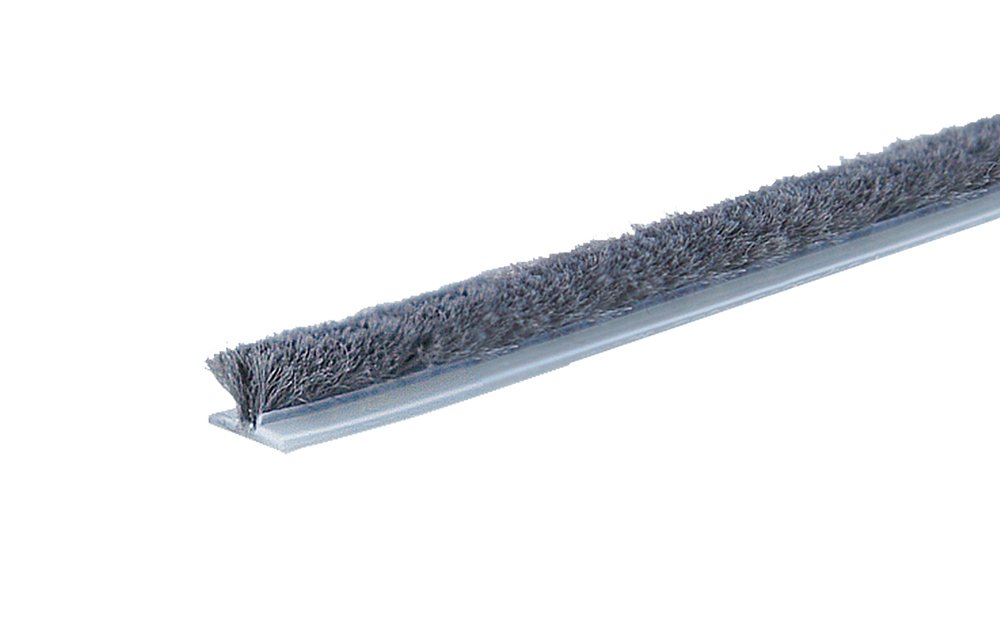
To stop drafts from sliding glass doors, start with the pile weatherstripping, the fuzzy brush strip along the edges of the panel. When it flattens or falls out, air flows straight through. Most hardware stores carry replacement pile in several heights, so measure the old strip first.
Next, clean the bottom track. Dirt and grit keep the door from rolling fully closed and sealing tight. Vacuum the track, wipe it down and check that the rollers move freely. If the door still will not seal, a door specialist can adjust the rollers or replace worn parts.
Seal the Garage Entry Door
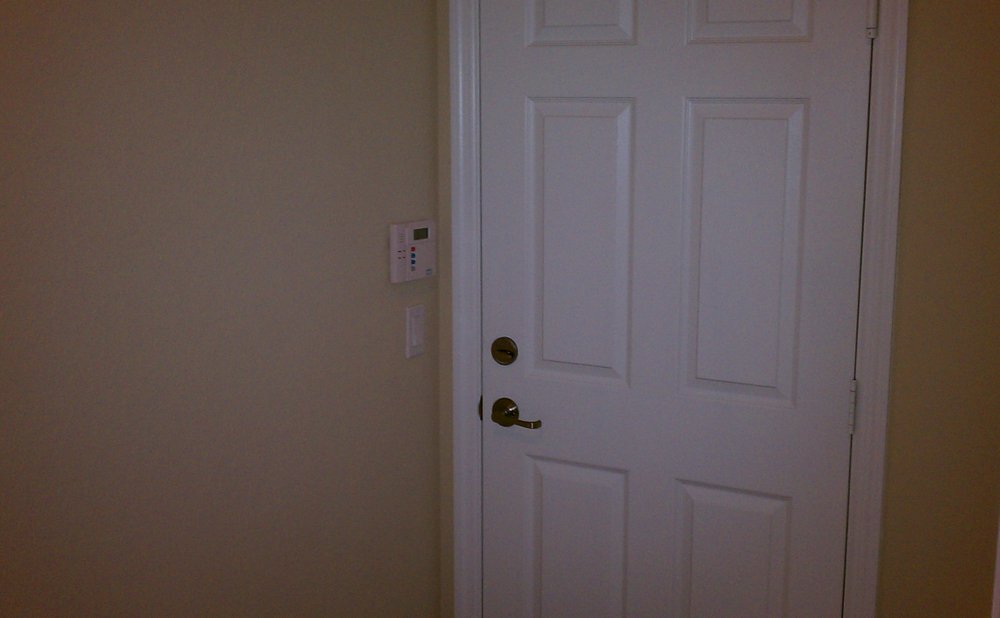
The door between an attached garage and your house deserves the same seals as a front door. Garages are usually unheated, so cold air pours through any gap. A tight seal also helps keep car exhaust and fumes in the garage and out of your living space.

Check the jamb weatherstripping, add a door sweep and adjust the threshold the same way you would on an entry door. Most building codes require this door to be solid wood or solid or honeycomb-core steel at least 1-3/8 inches thick, or a 20-minute fire-rated door. So don’t cut it down or swap it for a lighter one, and check your local code before you replace it.
Weatherstrip the Attic Hatch or Pull-Down Stairs
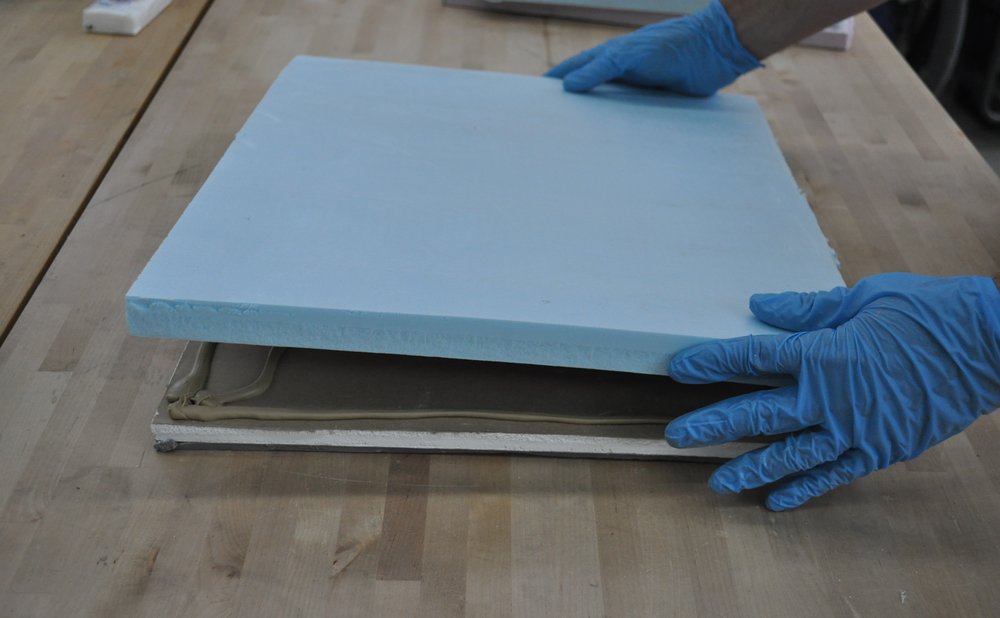
Weatherstrip the attic hatch, because warm air rises and slips into the attic through any gap around it. Apply foam weatherstripping to the ledge where the hatch panel rests, so the panel presses down onto a soft seal when closed.
Then glue a piece of rigid foam insulation board to the top of the panel. Pull-down attic stairs leave a bigger opening, so look for an insulated cover or tent made to fit over them from the attic side. Make sure the hatch or stairs still close fully and that nothing blocks your way into the attic.
Foam Gaskets Behind Outlet and Switch Covers
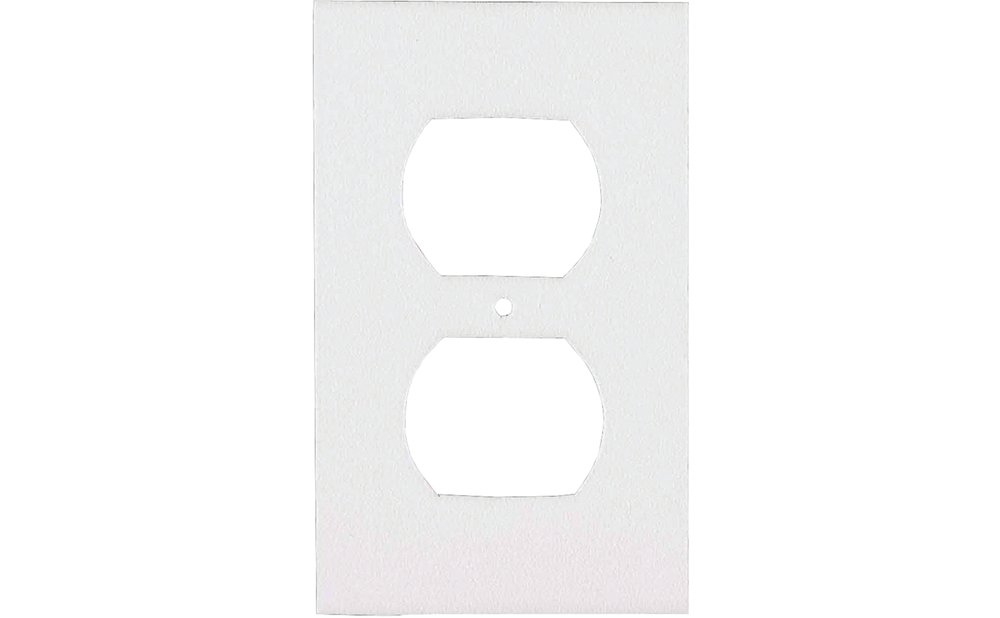
Outlets and light switches on outside walls can leak cold air you can feel with the back of your hand. Pre-cut foam gaskets fit behind the cover plate and block much of that air. They are one of the cheapest draft fixes in the house.
Turn off power to the outlet at the breaker before you start. Remove the cover plate screw, set the gasket over the outlet, and put the cover back on. Child safety plugs in unused outlets help block air through the slots too. If a box feels loose or wiring looks damaged, call an electrician.
Caulk Baseboards and Trim Gaps
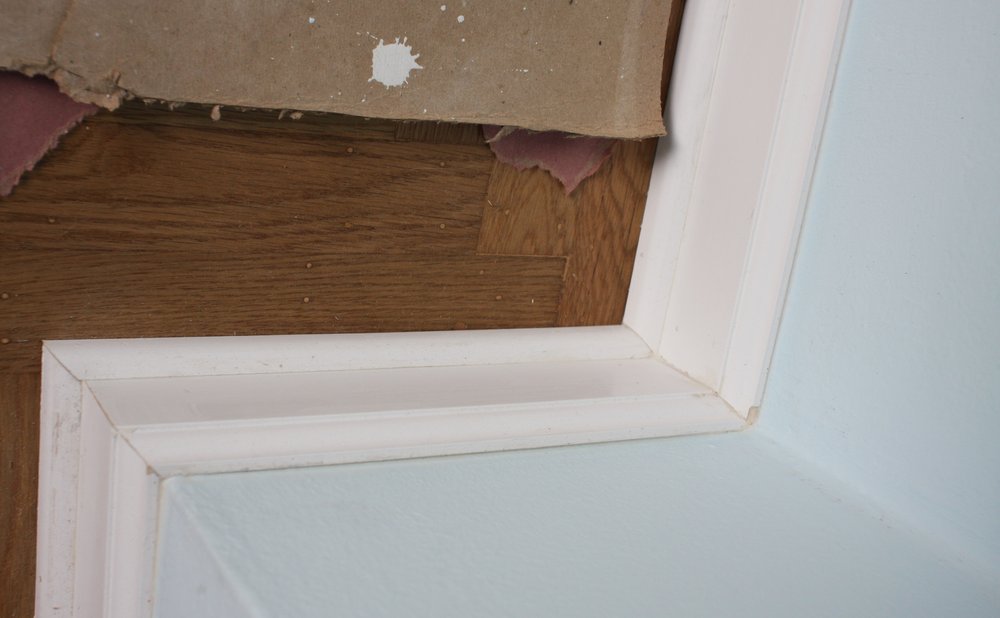
Caulk seals the thin cracks along baseboards and door trim on outside walls, where cold air often creeps in at floor level. Use a paintable acrylic latex caulk for indoor trim. It cleans up with water and takes paint well once it cures.
Caulk works best on narrow gaps. Wider openings need a foam backer rod pushed in first or a low-expanding spray foam. Cut the tip small, run a steady bead, and smooth it with a damp finger. For more help with sealing small leaks, see our guide to basic home repairs you can DIY.
Seal Drafty Windows for the Season
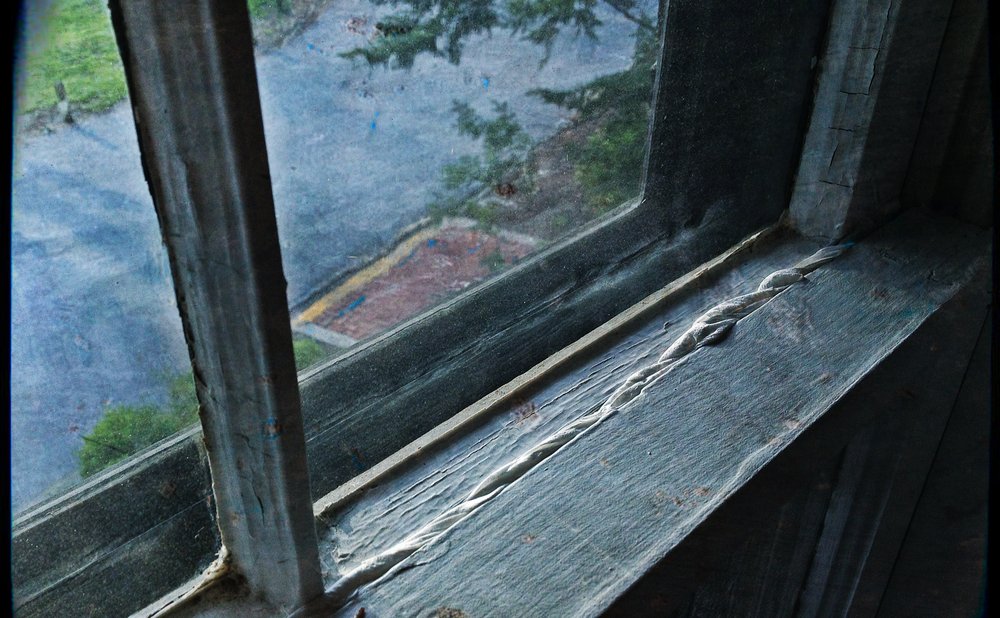
Seal drafty windows for the season with a quick, removable fix if you do not want to change the window itself. Clear shrink film kits tape to the inside of the frame and tighten with a hair dryer, creating a still layer of air that blocks drafts.
Removable rope caulk presses into gaps around a sash and peels off in spring. Heavy lined curtains, closed at night, also cut the chill. For longer-lasting upgrades like new seals and storm panels, see our window makeover ideas that don’t require replacement.
Use Draft Stoppers for Doors You Rarely Open
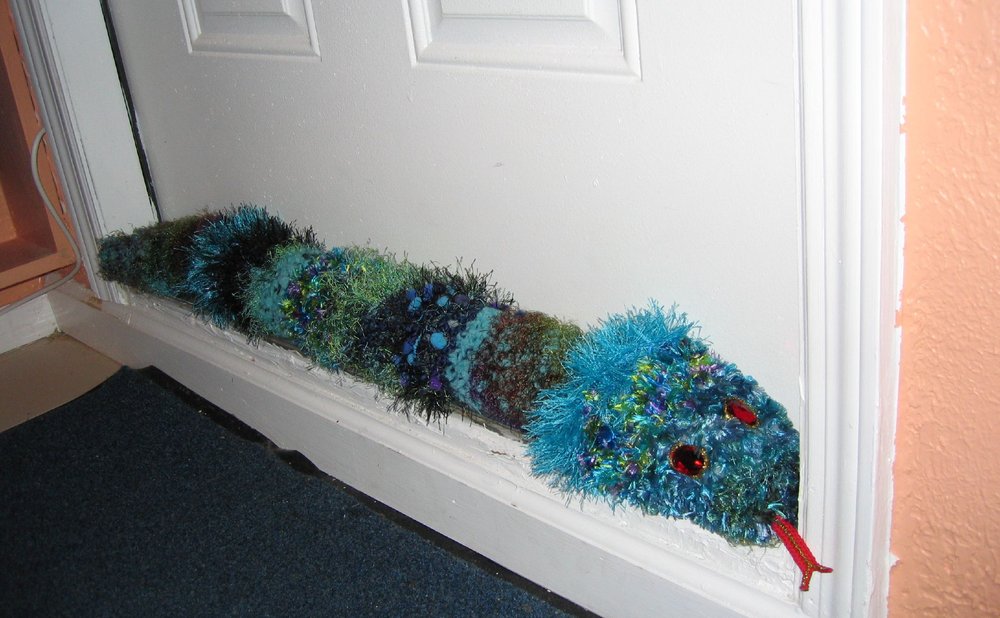
A draft stopper is a long, weighted fabric tube that lies against the bottom of a door. It works best on doors you rarely open, such as a side door, a basement door or a door to an unheated porch, where a sweep may not be worth installing.
You can buy one or sew your own from a sturdy fabric tube filled with rice, dried beans or sand. Make it a few inches longer than the door is wide. Double-sided styles slide onto the door and move with it, which helps on interior doors to cold rooms.
Close the Fireplace Damper When It Is Not in Use
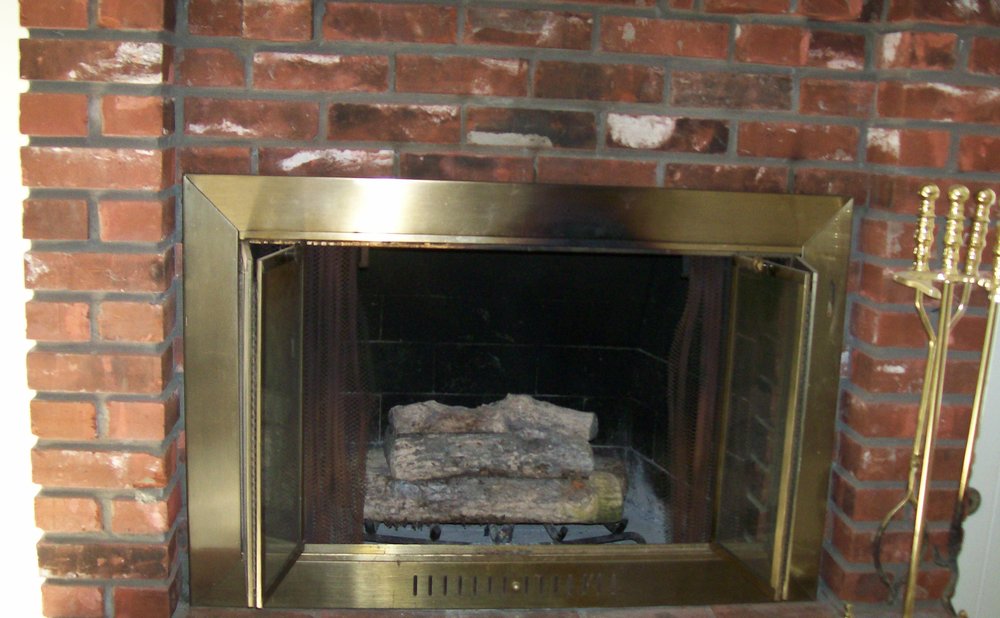
An open fireplace damper is like a window left open up the chimney. Warm air from the room rises straight out, and cold air can drop back down. Close the damper whenever the fireplace is cold and not in use.
Never close it while a fire, coals or embers are still burning. Smoke and carbon monoxide need that open path to escape. Wait until the ashes are fully cold. If your damper does not seal well, a chimney professional can check it and suggest options such as a top-sealing damper.
Seal Gaps Around Pipes and Wires Where They Enter the House
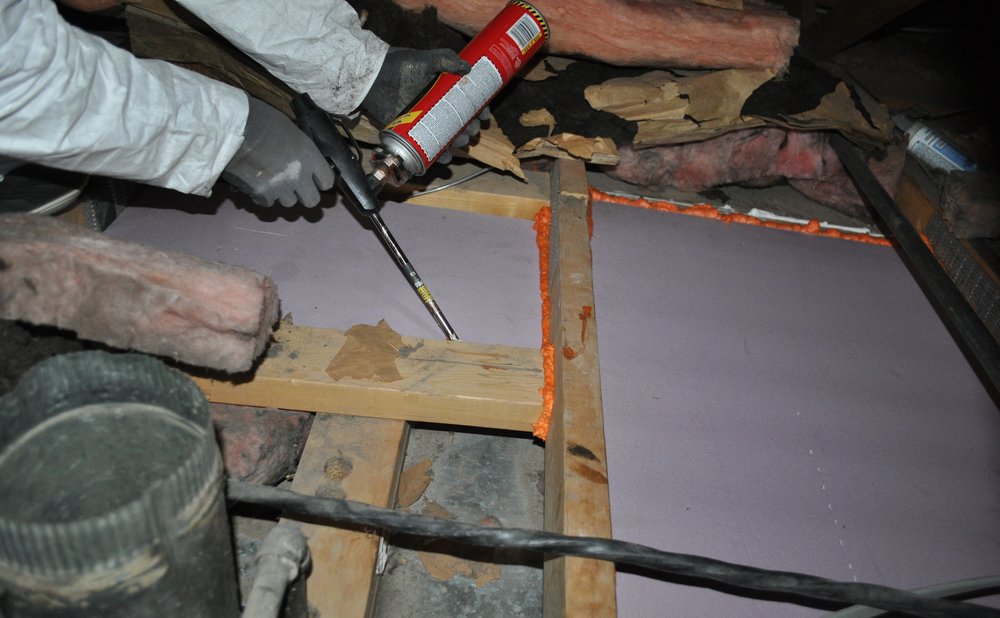
Pipes, cables and vents that pass through outside walls often leave gaps around them. Look under sinks, behind the washer and dryer, in the basement and where the outdoor faucet and cable lines come in. These hidden gaps can let in a surprising amount of cold air.
Fill small gaps with caulk and larger ones with low-expanding spray foam. Keep regular foam and caulk away from chimneys, furnace flues and other hot surfaces. Those need a high-temperature, fire-rated sealant or metal flashing, so ask a pro if you’re unsure. Check outside too, and seal gaps there with an exterior-grade caulk.
Small gaps add up, and so do the fixes. Start with the incense test, seal your exterior doors with fresh weatherstripping and a sweep, then work through the attic hatch, outlets and pipe gaps. Fix the leak you feel most first, and enjoy a warmer house with fewer drafts.
Amazing Builder Partners