Where Style Meets Function—One Step at a Time. Gone are the days when a staircase was just a way to get from one floor to another. Once a purely functional structure tucked away from view, the staircase has been elevated to a key design feature in modern homes, commanding attention and setting the tone for the entire space.

Over the past decade, stairs have become a canvas for creativity, a dynamic element that seamlessly blends striking aesthetics with innovative materials and smart technology. Designers and homeowners alike are no longer just considering the practicality of a flight of stairs but are instead treating it as an architectural centerpiece—a focal point that reflects their personal style and enhances the overall flow of their home.
Whether you’re embarking on a full renovation or building a new home from the ground up, the design choices you make for your staircase can have a transformative impact. This comprehensive guide to the top 10 staircase trends of the 2020s offers fresh inspiration for every kind of space, proving that a well-designed staircase is about much more than just the climb.
Floating Stairs – The Crown Jewel of Minimalism
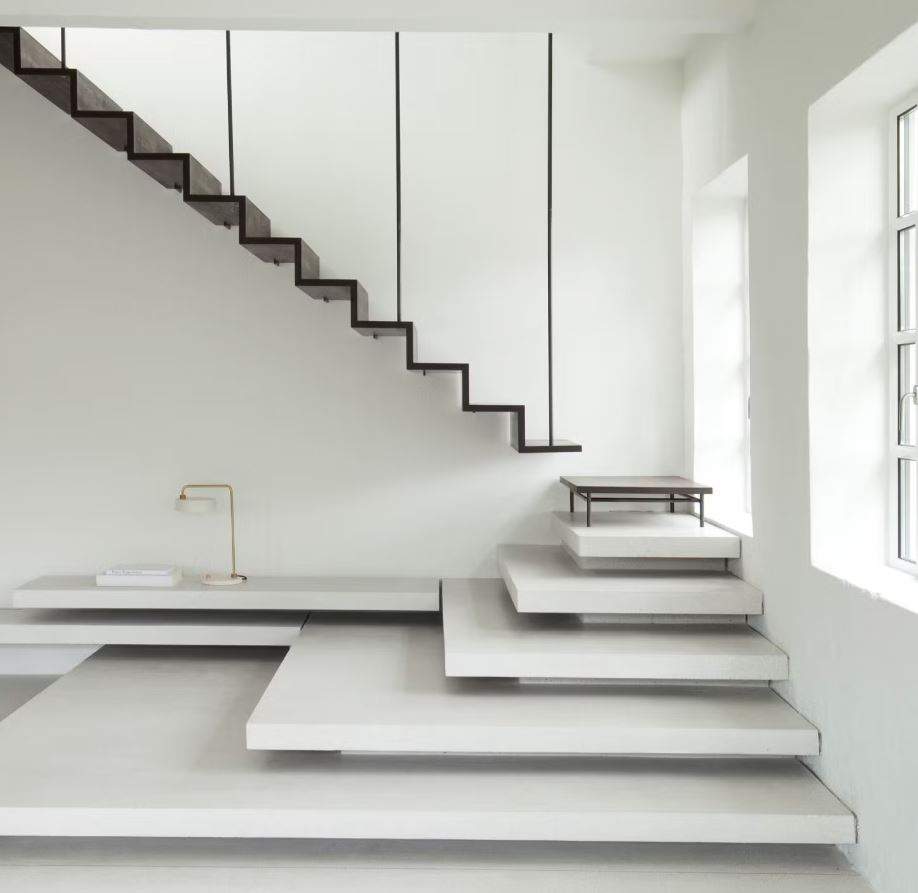
Floating stairs, also known as cantilevered staircases, are a striking example of minimalist architecture. These designs eliminate the traditional riser, making them appear to “float” out from the wall.
They are supported by hidden steel brackets or structural reinforcements. Their sleek, open look is especially popular in modern, industrial, and Scandinavian interiors, where natural light and clean lines are prized.
Paired with glass railings or minimalist balustrades, floating stairs can visually expand a room while creating a sense of calm sophistication. Thicker treads made of wood or stone can enhance their presence and add a feeling of grounded luxury.
Metal and Wood Combinations – Industrial Chic
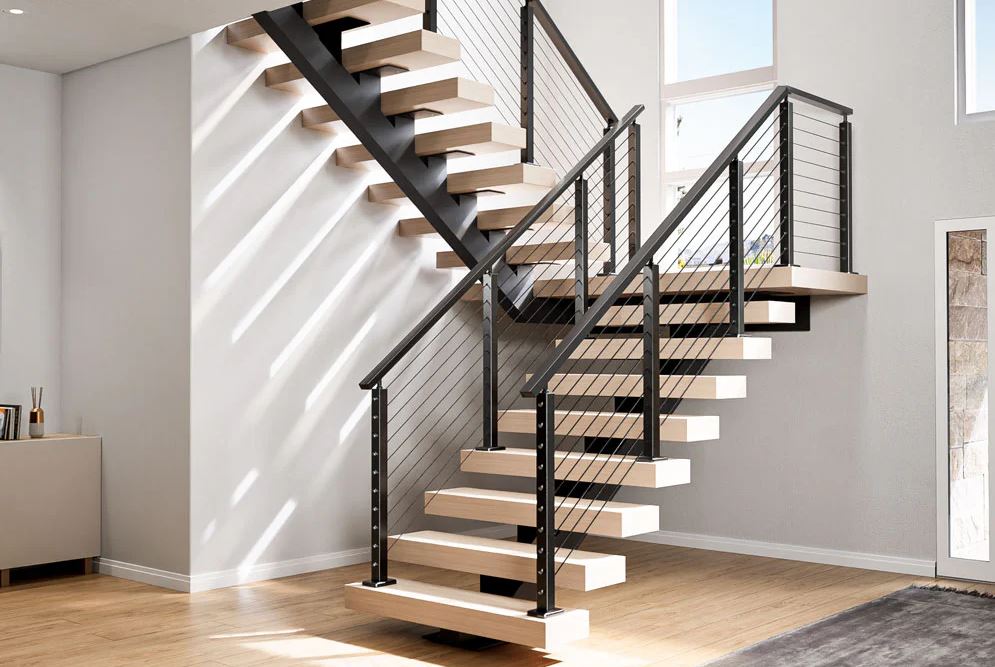
Combining wood and metal has become a go-to look for homeowners seeking a warm yet contemporary feel. Think reclaimed oak treads paired with matte black steel railings or walnut stairs accentuated by brushed brass handrails.
This industrial-chic aesthetic bridges the gap between rustic and modern, creating balance and contrast in both traditional and contemporary spaces. The raw, unfinished nature of metal juxtaposed with the organic warmth of wood creates visual texture and a timeless appeal. It’s especially popular in urban lofts, modern farmhouses, and transitional homes where blending styles adds depth and personality.
LED-Integrated Stair Lighting – Futuristic Functionality
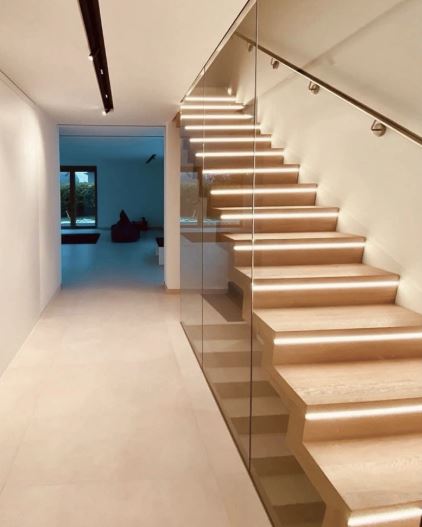
Lighting has moved from ceiling fixtures to built-in design elements, and staircases are no exception. LED-integrated stairs use concealed lighting beneath each tread or within railings to add a soft, ambient glow. These features not only provide safety in low-light conditions but also elevate the atmosphere of the entire space.
Homeowners can choose between motion-sensor activation or app-controlled lighting systems, customizing colors and brightness to suit the time of day or mood. Whether illuminating glass treads or highlighting the curves of a spiral staircase, LED lights make stairs feel like a luxurious, high-tech feature in your home.
Sculptural Handrails and Balustrades – Art Meets Function
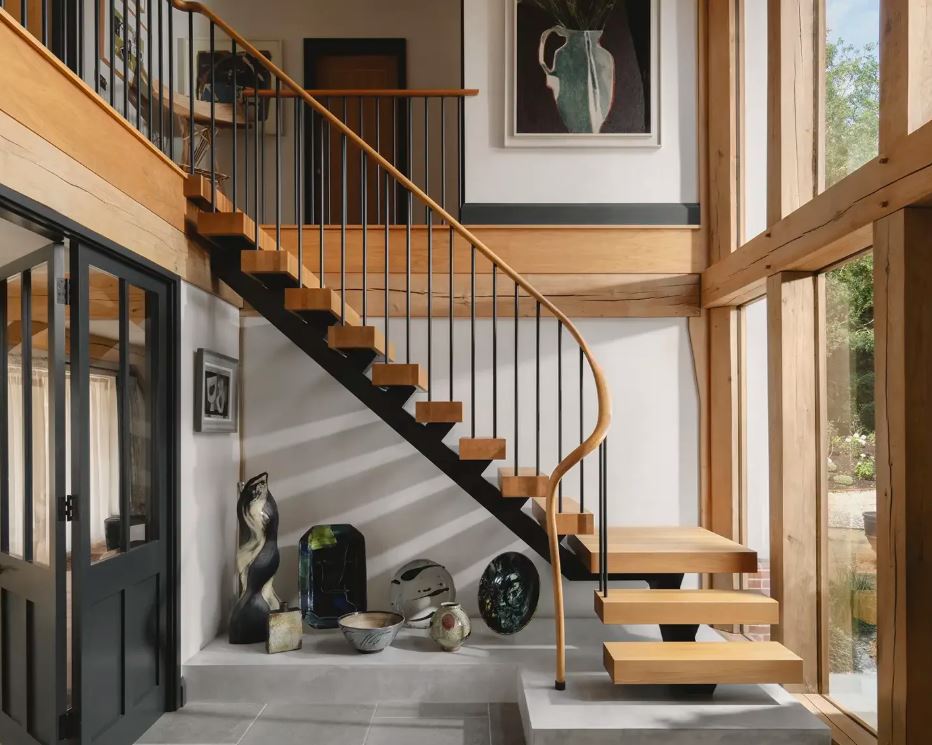
Stair railings are no longer an afterthought; they’re becoming standout sculptural elements. Today’s designs range from organically carved wooden handrails to intricately laser-cut metal panels or frameless glass that appears to float in the air. These artistic elements offer homeowners a chance to add personal flair or bold drama to their interior.
Whether your style is modern, traditional, or eclectic, there’s an opportunity to customize railings to make a lasting impression. The right handrail can transform a simple staircase into an architectural centerpiece, especially in open-plan homes where the stairwell is highly visible.
Under-Stair Storage Reinvented – Style + Space-Saving
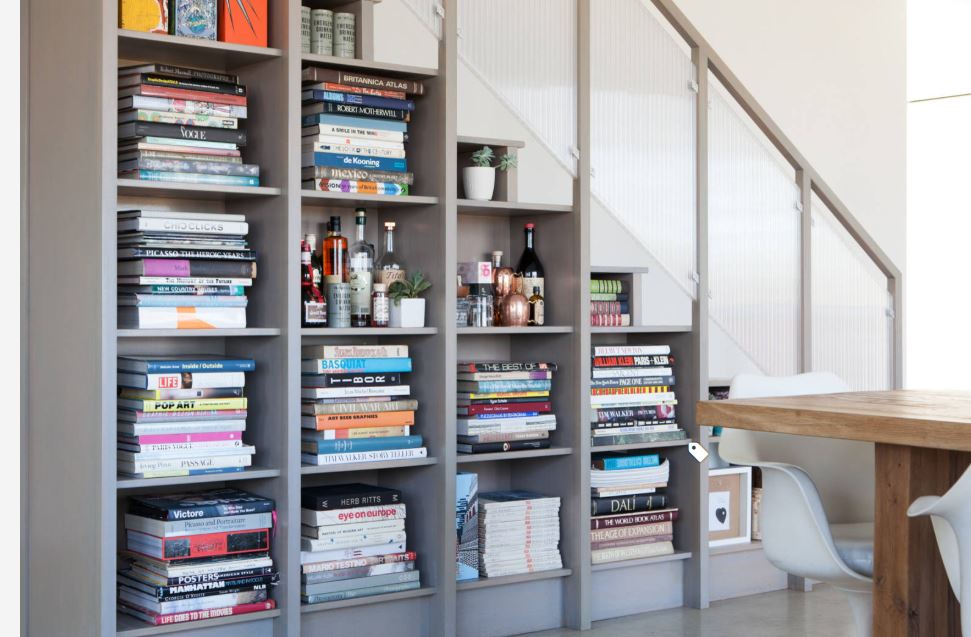
In an age of smaller homes and smarter layouts, the once-unused area beneath the stairs has become a hotspot for innovation. No longer limited to coat closets, under-stair spaces are now being turned into built-in bookshelves, wine racks, work-from-home stations, pet hideaways, or even compact powder rooms.
This trend is especially valuable in compact urban homes where every inch counts. Well-designed storage solutions under the stairs not only increase functionality but can also enhance the visual appeal of the staircase, often blending seamlessly with cabinetry or design themes throughout the rest of the home.
Open Risers for Airy Elegance
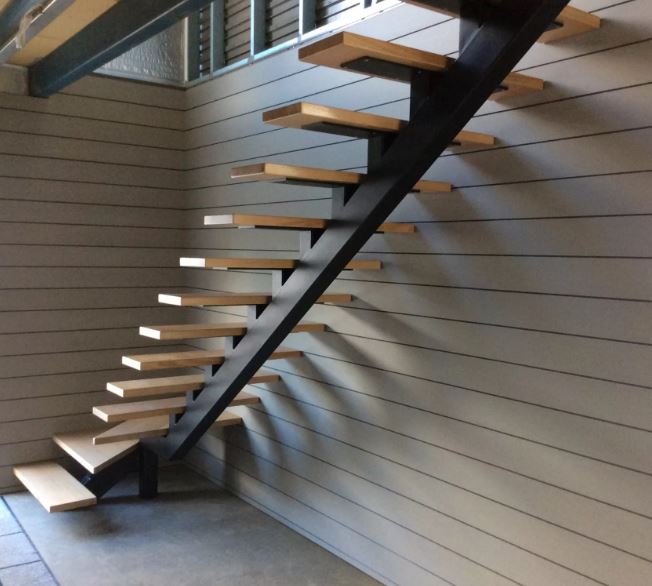
Open riser stairs-those with visible gaps between each step-are perfect for creating a sense of airiness and flow. By eliminating the solid back of each tread, these stairs allow light to pass through and help spaces feel more open and connected. They’re often paired with floating staircases and modern materials like glass or steel for an even more contemporary look.
While they do require careful engineering and code compliance (especially for families with young children), open riser stairs can be both safe and stunning when designed correctly. They are a favorite in light-filled homes where maximizing natural illumination is a top priority.
Natural Stone or Concrete Treads – Bold and Grounded
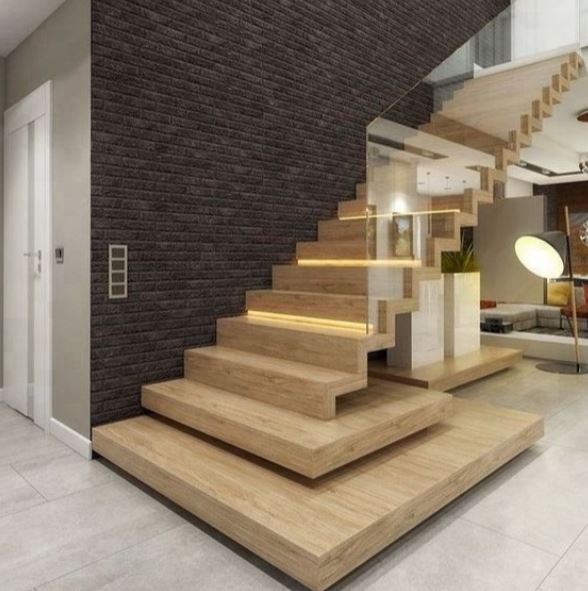
There’s been a shift toward using heavier, more textural materials like stone and concrete in staircase design. These materials, once reserved for outdoor or commercial applications, are now being incorporated into interior staircases for their durability and bold visual impact.
Concrete stairs offer a minimalist, industrial feel, while stone-like marble or granite-adds luxury and timelessness. These materials pair well with glass railings or minimalist metal balustrades, making the staircase feel like a sculptural element within the room. Some designers are even combining these treads with radiant heating systems for added comfort.
Curved and Spiral Staircases – A Statement Return
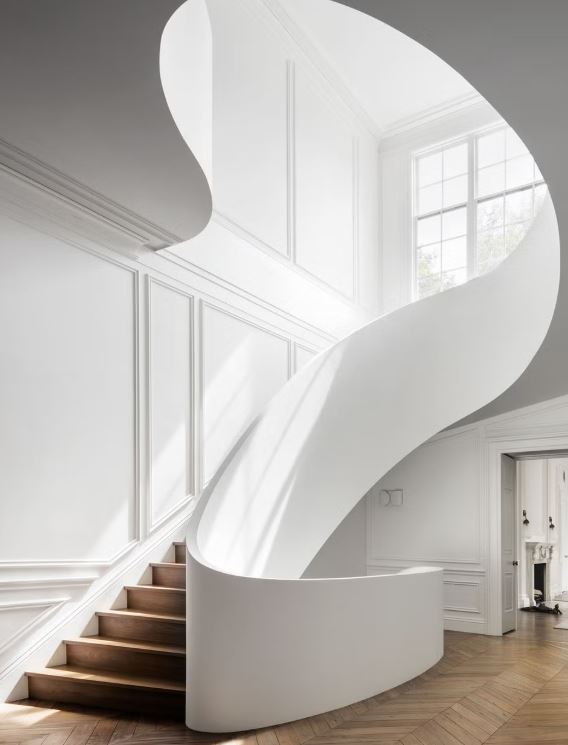
Curved and spiral staircases are having a renaissance, but with a modern sensibility. These elegant structures add movement and softness to architectural spaces dominated by straight lines. Today’s curved stairs often feature seamless materials, floating treads, and invisible support systems that highlight their sculptural form.
Spiral stairs, once used only for tight spaces, are now designed as eye-catching features using wood, metal, or even glass. Whether you’re aiming for a grand entrance or maximizing vertical space, curved and spiral staircases bring sophistication and visual intrigue to any layout.
Eco-Friendly Materials and Finishes – Green is Glamorous
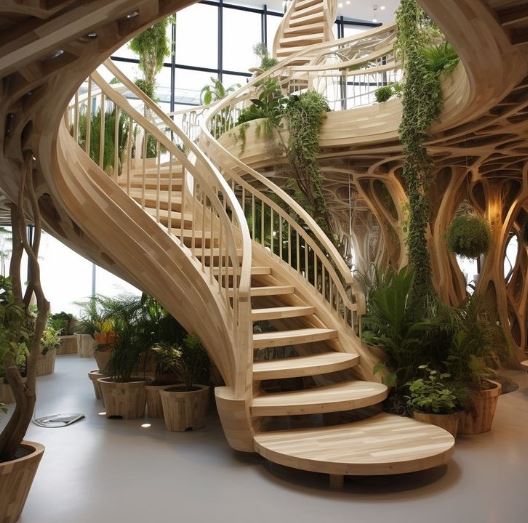
Sustainability is shaping the future of design, and staircases are no exception. More homeowners are choosing renewable or recycled materials like bamboo, reclaimed hardwoods, and steel with high recycled content. Non-toxic adhesives, natural finishes, and low-VOC sealants are also becoming standard, ensuring better air quality and lower environmental impact.
Sustainable staircases don’t sacrifice beauty; in fact, they often stand out for their character and craftsmanship. Whether it’s using salvaged timber with rich textures or responsibly sourced materials certified by organizations like the Forest Stewardship Council (FSC), eco-friendly stairs reflect both style and conscience.
Smart Staircases with Built-in Tech – Welcome to the Future
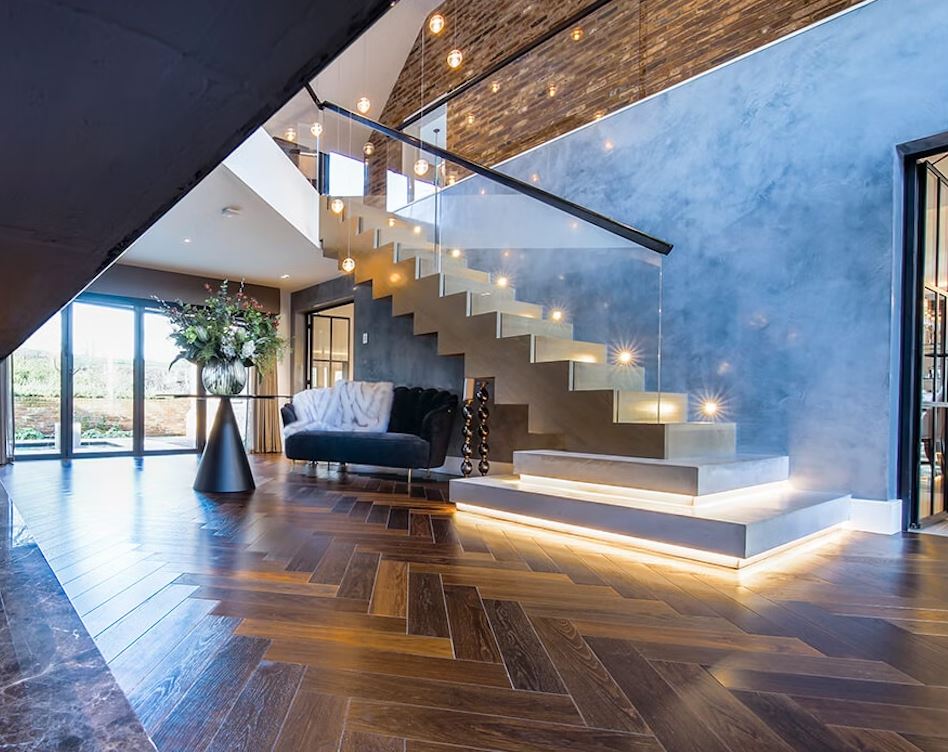
As homes become smarter, staircases are joining the revolution. From motion-sensor lighting to safety features like tread-embedded pressure sensors that detect falls, modern stairs are incorporating discreet but powerful technologies. Some homes are even installing staircases with integrated sound systems, LED displays, or automated stairlifts that disappear into the wall when not in use.
These features don’t just add convenience-they also support aging-in-place strategies and make homes more accessible. With integration into smart home ecosystems, your staircase can now be part of your home’s responsive, tech-driven design.
The modern staircase is no longer just a passageway-it’s a showpiece, a smart feature, and a statement of personal style. From floating treads to sculptural rails and sustainable materials, the 2020s have transformed the way we design and experience stairs. Whether you’re upgrading an older home or building new, let your staircase rise to the occasion and reflect the beauty and innovation of this design-forward decade.
Amazing Builder Partners