
Over the past ten years, small kitchen design has evolved from a game of compromises into a masterclass in creativity and efficiency.

As urban living expanded and square footage shrank, designers were challenged to make kitchens feel larger, work smarter, and look more intentional than ever before.
What emerged was a fascinating progression of ideas. Each trend built upon the last, responding to changing lifestyles, technology, and the ways people actually use their homes.
From illusion-driven layouts to sustainability-focused innovations, these are the defining small kitchen design trends that shaped the last decade.
The Open Concept Illusion (2015 to 2016)
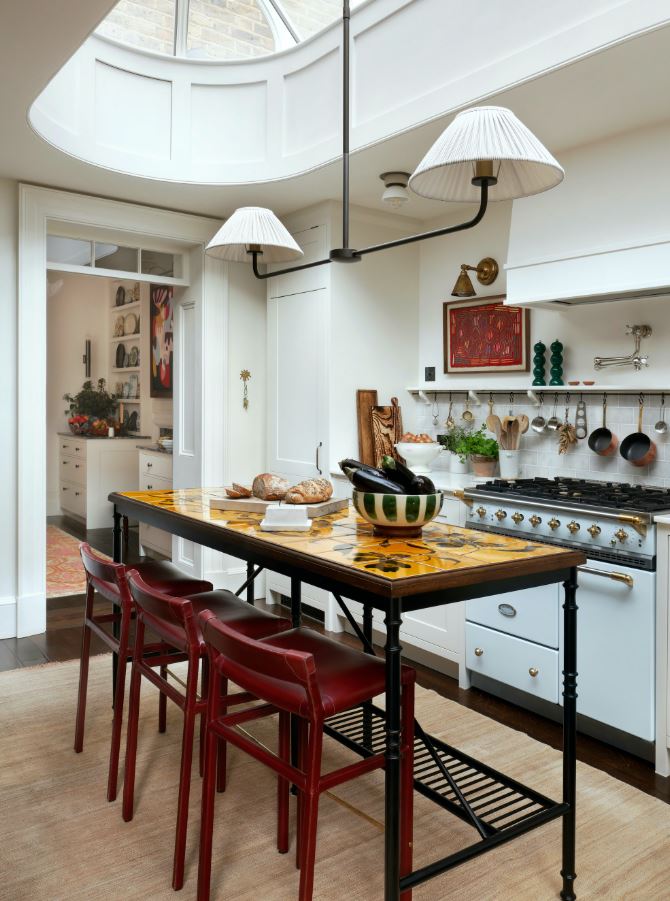
In the mid-2010s, the dominant philosophy for small kitchens was simple: if you cannot add square footage, remove boundaries.
Walls separating kitchens from living and dining spaces came down in droves, creating the illusion of a much larger environment.
The kitchen became visually connected to the rest of the home, allowing light, sightlines, and social interaction to flow freely.
A key feature of this era was the peninsula breakfast bar, which replaced the traditional dining table and acted as a subtle divider without fully enclosing the space.
White shaker cabinets, light quartz countertops, and reflective surfaces amplified natural light, making even the smallest kitchens feel open and expansive.
The Industrial Galley Revival (2016 to 2017)
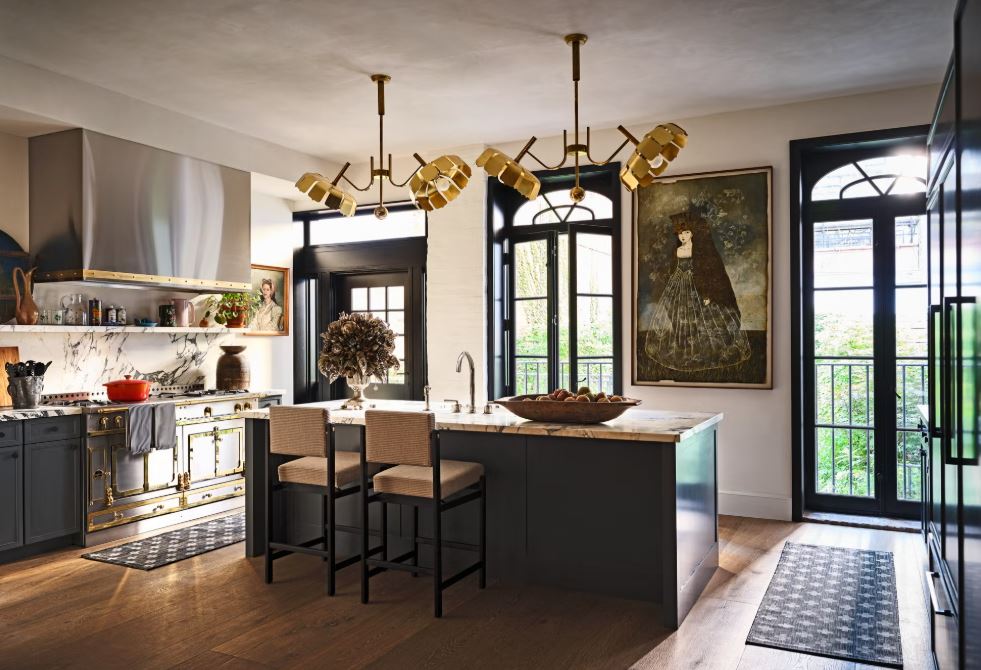
As open-concept layouts reached peak popularity, a countertrend emerged that embraced efficiency over openness.
Inspired by professional restaurant kitchens and compact urban apartments, the galley kitchen made a stylish comeback.
This design leaned into narrow layouts by optimizing every inch for function.
Exposed shelving replaced bulky upper cabinets, subway tile backsplashes added texture, and hanging pot racks freed up valuable cabinet space.
Vertical storage became a defining feature, drawing the eye upward while keeping countertops clear.
The overall look was utilitarian yet stylish, proving that small kitchens could be both hardworking and visually compelling.
The Hidden Kitchen (2017 to 2018)
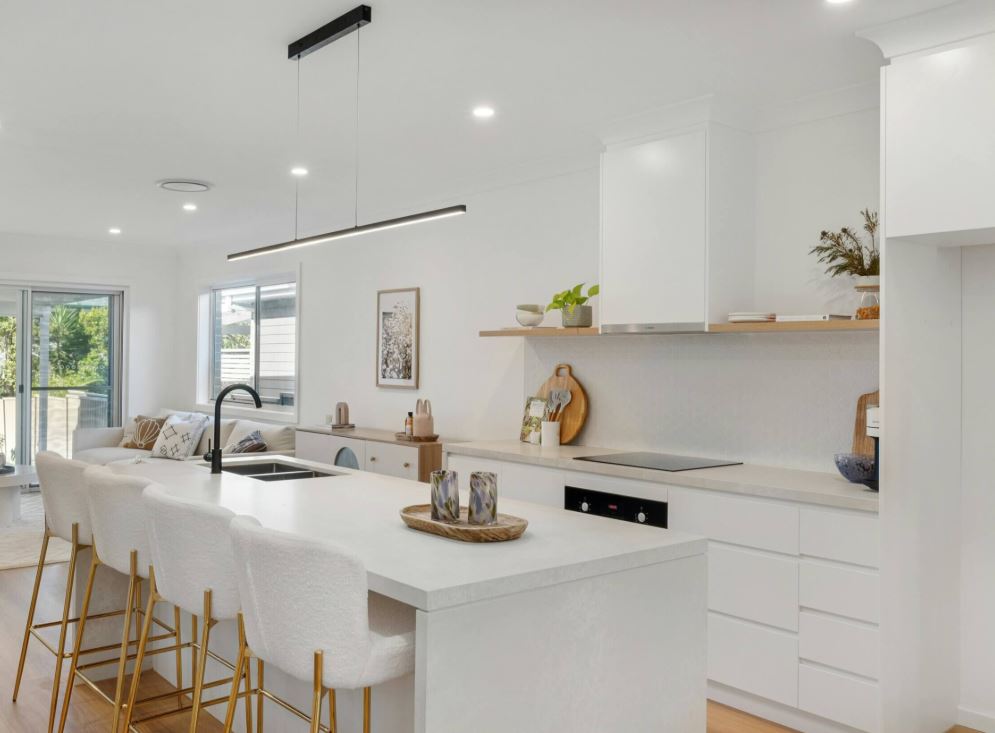
Minimalism reached a new level when designers began making kitchens almost disappear.
Especially popular in studio apartments and open-plan condos, the hidden kitchen trend focused on blending cooking spaces seamlessly into living areas.
Appliances were fully integrated behind matching cabinet panels to eliminate visual interruptions, while finger-pull drawers replaced traditional handles for a clean surface.
The result was a kitchen that looked more like custom furniture than a functional workspace.
This approach reduced visual noise and allowed small homes to feel calmer and more cohesive.
The Two-Tone Depth Strategy (2018 to 2019)
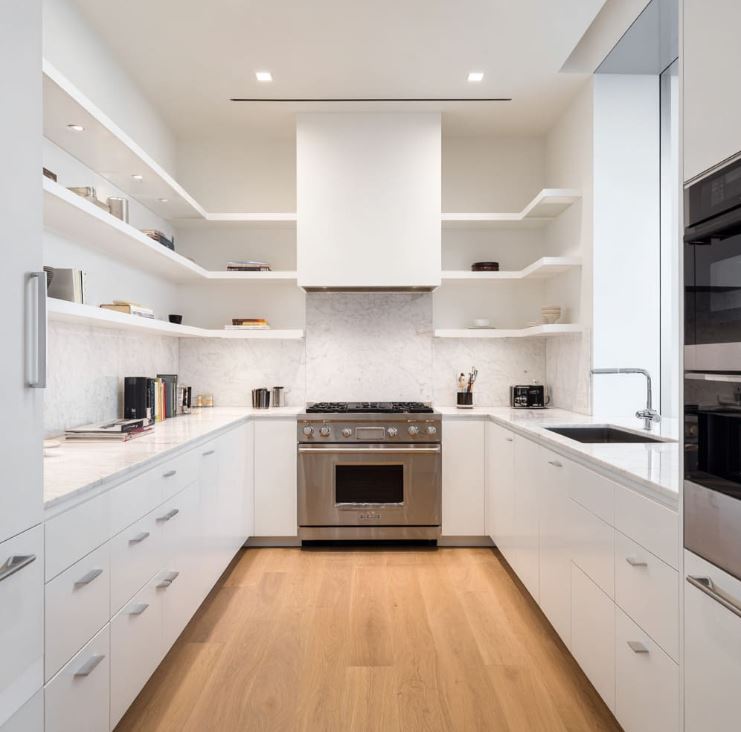
As all-white kitchens began to feel sterile in smaller spaces, designers turned to two-tone cabinetry to introduce depth.
Dark lower cabinets in shades like navy blue or forest green anchored the room, while lighter upper cabinets kept the space feeling open.
This contrast created a visual trick by drawing the eye upward and making ceilings appear higher than they actually were.
Glass-front uppers further enhanced the sense of airiness, while darker bases added warmth and sophistication.
The two-tone strategy proved that small kitchens could benefit from bold contrast rather than fear it.
The Smart Pocket Pantry (2019 to 2020)
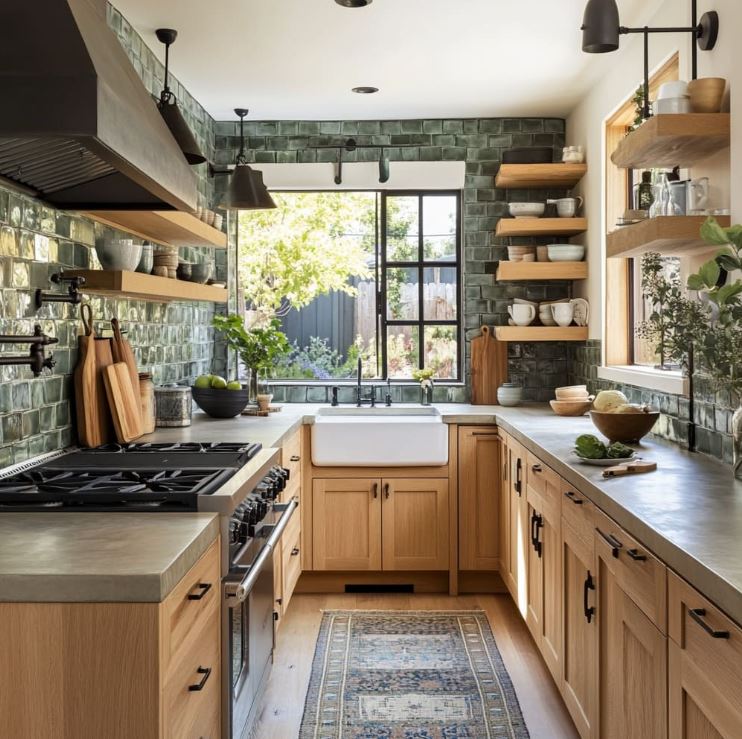
As home cooking surged, storage became the most valuable asset in a small kitchen.
Designers responded with clever solutions that capitalized on previously ignored areas.
Slim pull-out pantries, sometimes as narrow as six inches, were tucked between refrigerators and walls or hidden within cabinetry runs.

These compact storage systems offered surprisingly generous room for dry goods and spices while keeping countertops free.
The pocket pantry symbolized a broader shift toward hyper-efficient design where no inch of space was wasted.
The Zoned Lighting Revolution (2020 to 2021)
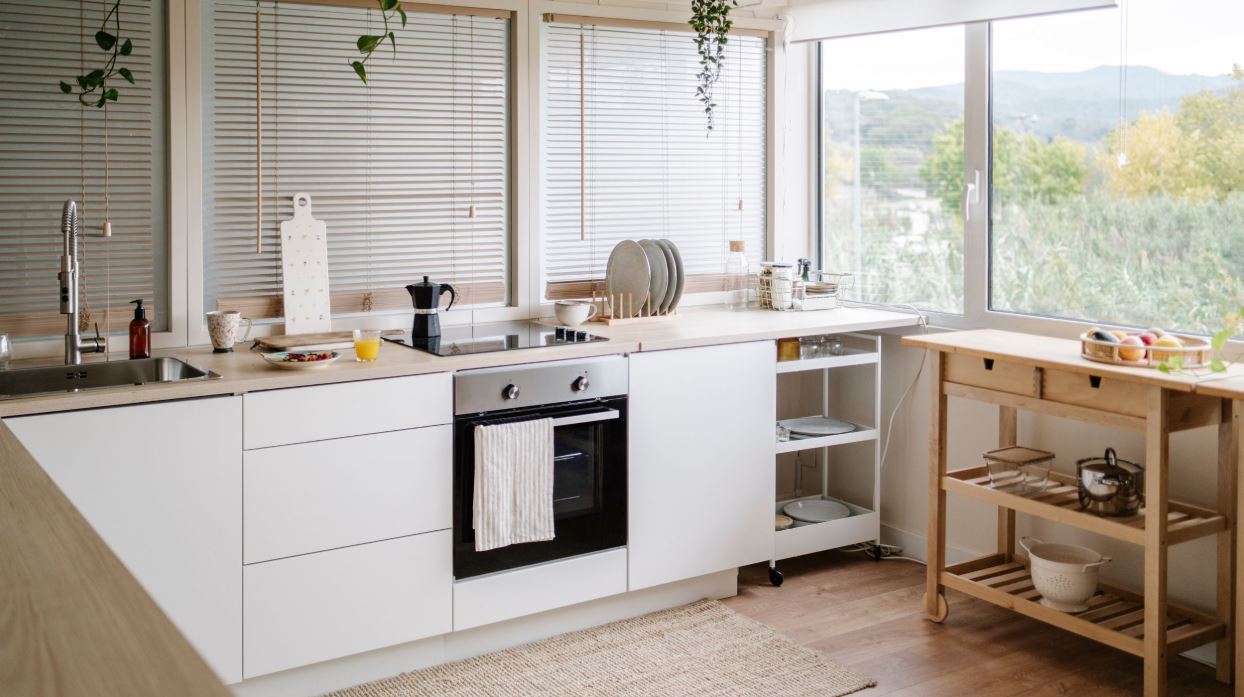
During a time when people were spending more hours at home, lighting emerged as one of the most powerful tools in small kitchen design.
Rather than relying on a single overhead fixture, designers began layering multiple light sources to define different functional zones.
Under-cabinet LEDs illuminated prep areas, toe-kick lighting added depth, and statement pendants provided both style and task lighting.
This strategic use of light made small kitchens feel larger and more dynamic, especially in homes with limited natural light.
European Compact Efficiency (2021 to 2022)
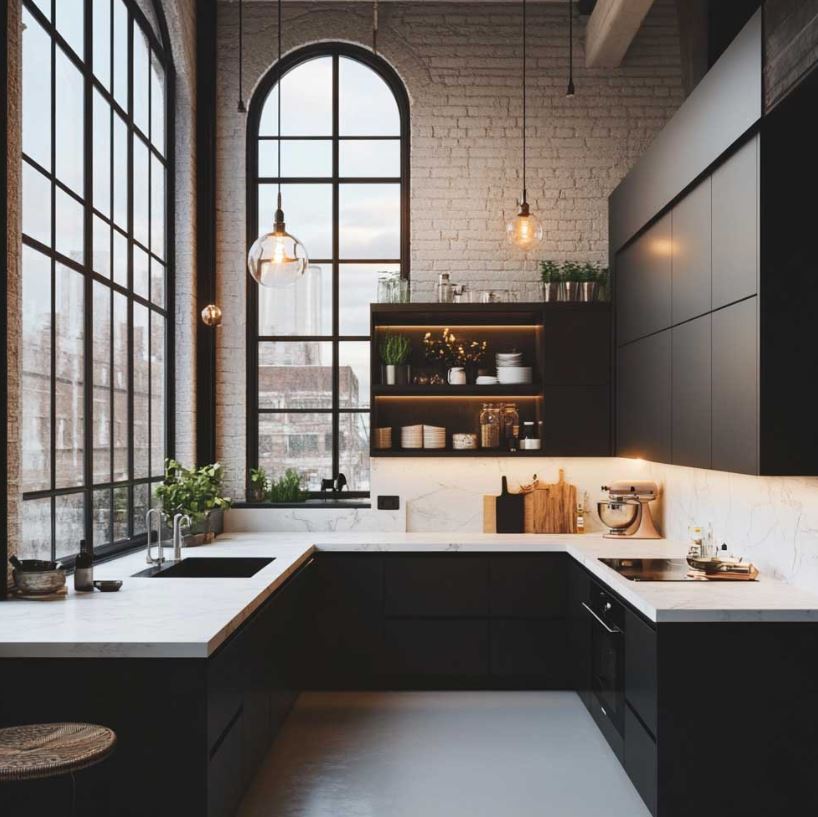
Borrowing inspiration from dense urban living in cities like London and Paris, small kitchens embraced European-style efficiency.
Oversized appliances gave way to slimmer, high-performance alternatives such as 24-inch ranges, compact dishwashers, and sleek induction cooktops.
These appliances offered professional-level performance without dominating the room.
The design philosophy shifted from “bigger is better” to “smarter is better,” allowing homeowners to enjoy premium functionality within a reduced footprint.
The Organic Modern Nook (2023 to 2024)
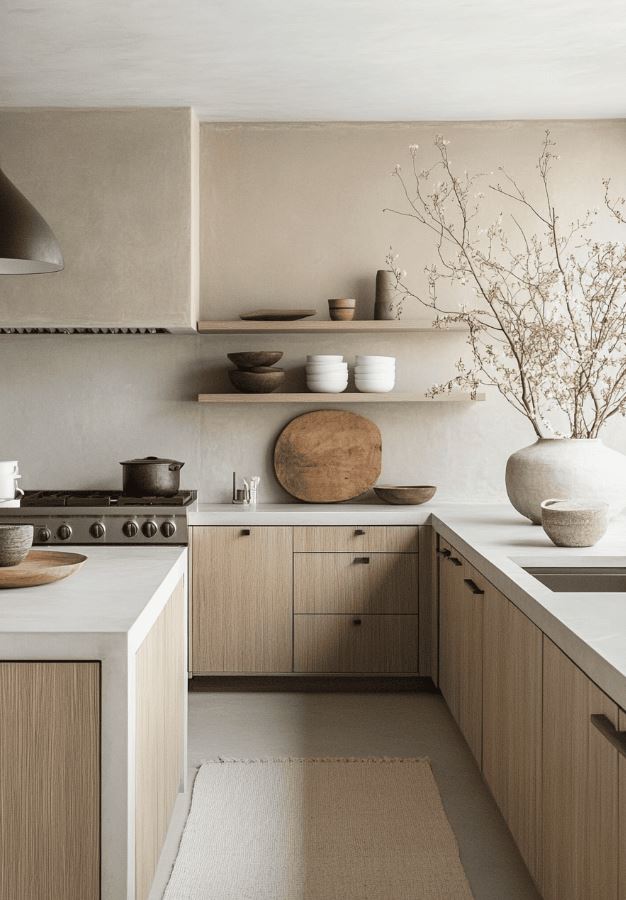
As minimalism softened, warmth and texture returned to kitchen design.
The organic modern trend introduced natural materials and softer shapes to counteract the coldness of earlier styles.
Butcher block countertops added visual warmth, while curved cabinetry edges improved flow and reduced the feeling of tightness.
Rounded corners helped prevent bumping into sharp edges, making small kitchens more comfortable.
This trend reframed compact kitchens as cozy nooks rather than constrained spaces, prioritizing comfort as much as aesthetics.
The Multifunctional Island (2024 to 2025)
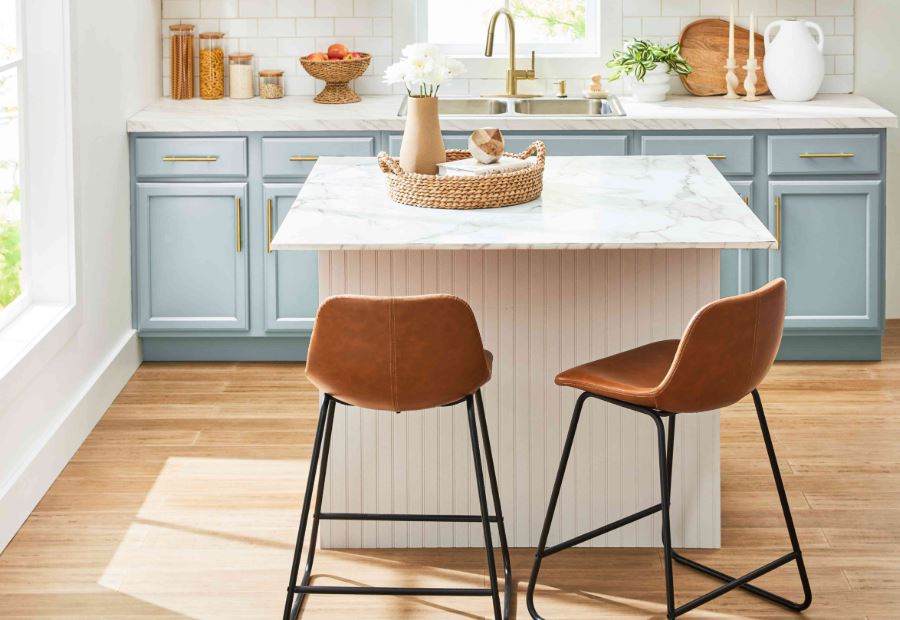
In recent years, the kitchen island has evolved into a multitasking powerhouse.
Designers introduced islands on casters, allowing them to be repositioned as needed for prep, dining, or entertaining.
These mobile islands often featured built-in microwave drawers and prep sinks, transforming them into all-in-one workstations.
By functioning as both furniture and infrastructure, the multifunctional island added flexibility to small kitchens that must adapt to multiple uses throughout the day.
The Eco-Tech Kitchen (Current Trend)
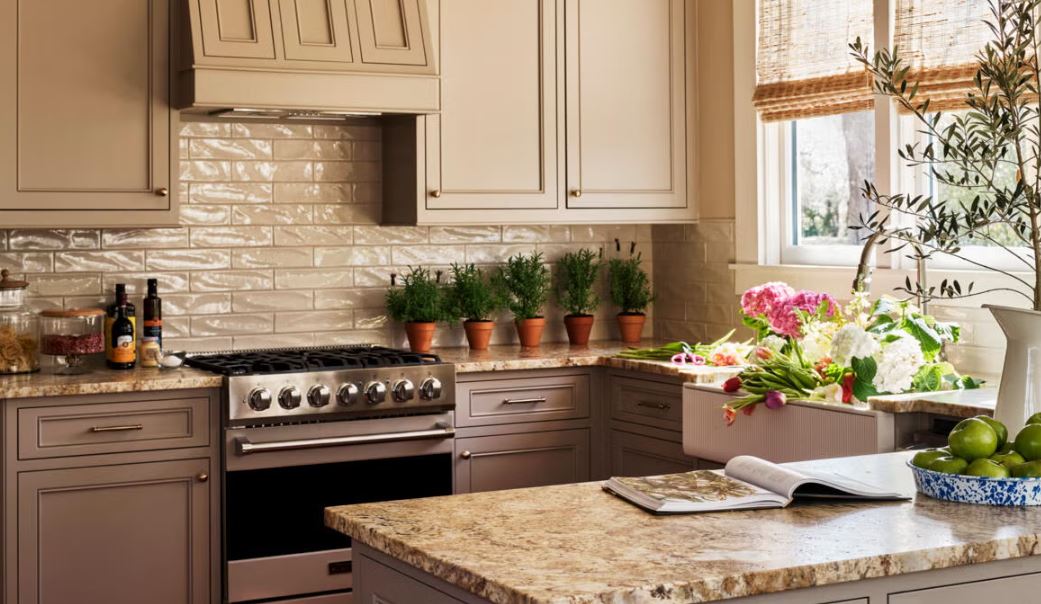
Today’s small kitchens are no longer just about saving space. They are about sustainability and smart living.
The eco-tech kitchen integrates environmentally conscious features without sacrificing style.
Built-in composting systems reduce waste, hydroponic herb drawers allow for fresh ingredients year-round, and smart hubs track energy usage in real time.
High-tech appliances are designed to consume less while performing more, making small kitchens a central hub for low-impact living.
This represents the future of compact design, where efficiency, technology, and environmental responsibility coexist.
The last decade of small kitchen design proves that limitations often spark the most innovative ideas.
What began as an effort to make small spaces feel larger has evolved into a sophisticated blend of technology and intentional design.
Today’s small kitchens are smarter, warmer, and more adaptable than ever, proving that great design is not about size, but about how thoughtfully a space is used.
Amazing Builder Partners