
Interior painting trends over the last decade reveal far more than shifting tastes; they reflect changing lifestyles, emotional priorities, and cultural moments.

From minimalist neutrality to expressive warmth, each color movement tells a story about how people wanted their homes to feel.
Below is a chronological look at the most influential interior paint color blends of the decade, each defined by its own mood, materials, and mindset.
The “Millennial Gray” Monochromatic (2015 – 2016)
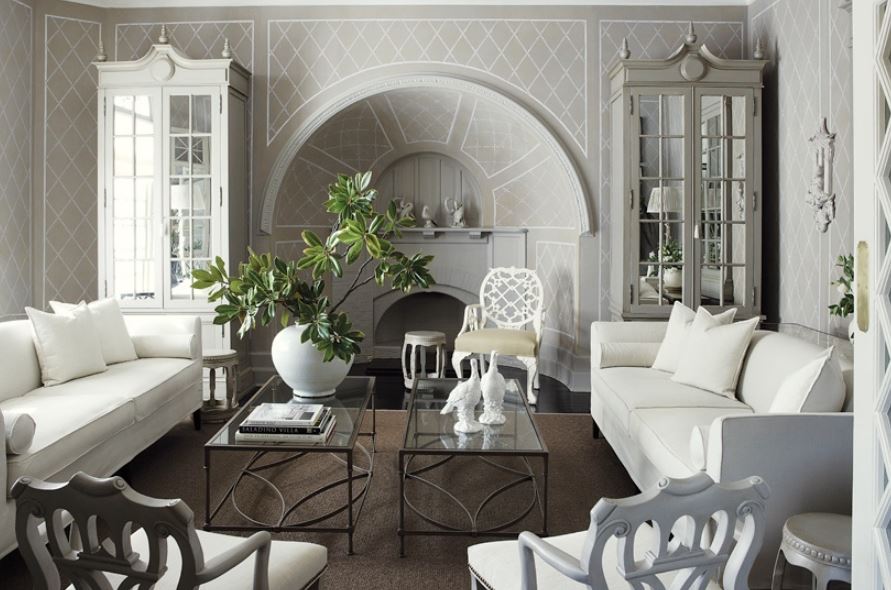
The mid-2010s were dominated by what many now call the age of “millennial gray.” This color blend emerged as a reaction against the yellow-toned beiges and tans that defined early-2000s interiors.
Cool gray walls paired with crisp white trim and charcoal accents created spaces that felt intentionally neutral, visually uncluttered, and broadly appealing.
This palette became especially popular in open-concept homes and urban apartments, providing a clean backdrop for modern furniture and metallic finishes.
The overall aesthetic was sleek and controlled, offering a sense of order and modernity that resonated with a generation seeking simplicity and flexibility.
The “Modern Farmhouse” Contrast (2016 – 2017)
As gray interiors became ubiquitous, homeowners began craving warmth and character without sacrificing sophistication.
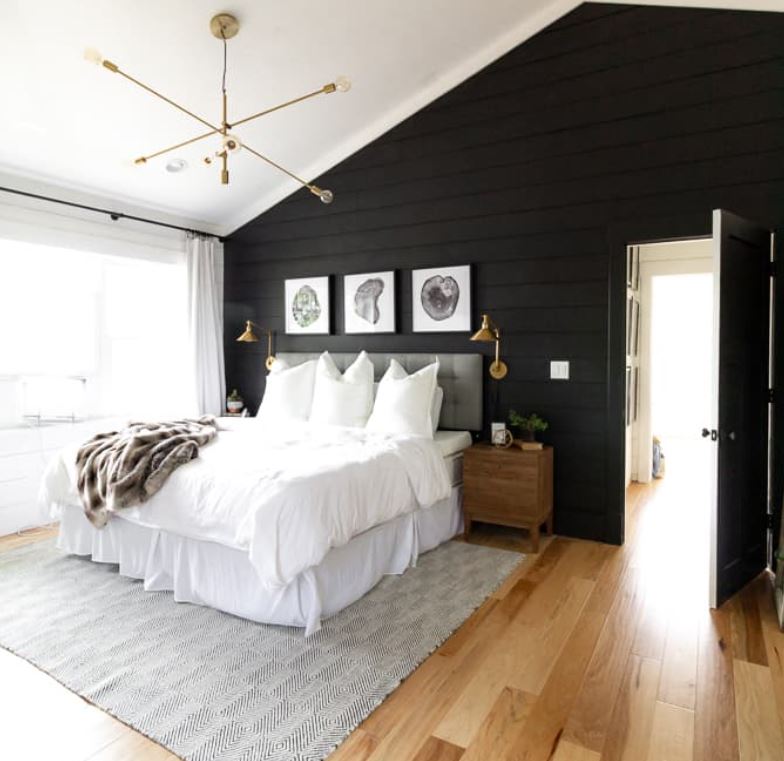
The modern farmhouse trend answered that call by blending high-contrast neutrals with organic textures. Alabaster white walls created brightness and openness, while matte black accents added graphic definition and visual structure.
Reclaimed wood tones introduced a sense of history and authenticity, grounding the space in something tactile and familiar.
Popularized through renovation television and social media, this blend struck a balance between rustic charm and contemporary polish.
The “Scandi-Pastel” Infusion (2017 – 2018)
This era marked a gentler evolution of minimalism, inspired heavily by Scandinavian design principles.
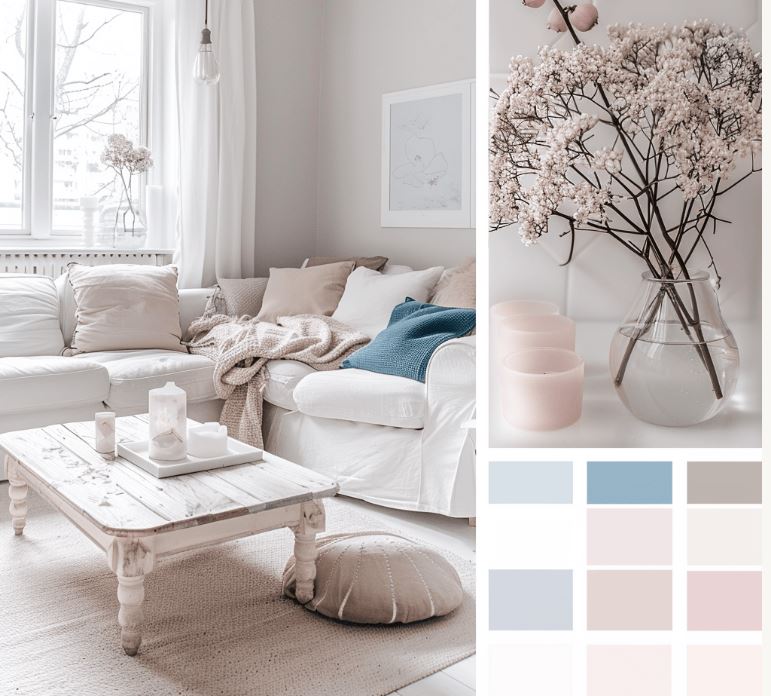
Instead of stark whites and grays, interiors began incorporating muted, dusty pastels that added warmth without overwhelming the room.
Dusty rose, often referred to as millennial pink, paired effortlessly with ash gray and pale pine tones to create environments that felt calm, light-filled, and subtly expressive.
These colors softened modern interiors, making them more inviting while still maintaining a clean, uncluttered aesthetic.
The “Deep Sea” Moody Study (2018 – 2019)
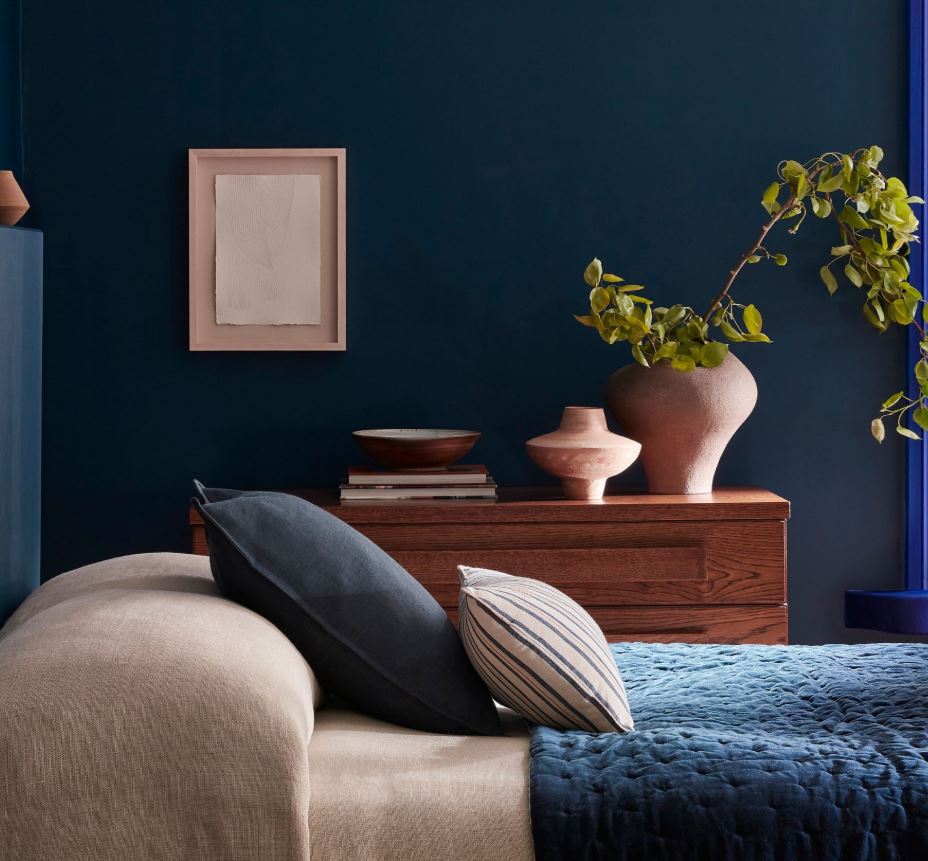
By the late 2010s, homeowners grew more confident in using darker, more saturated colors, particularly in spaces designed for focus or intimacy.
Navy blue walls, complemented by slate undertones and metallic gold accents, transformed dining rooms, offices, and libraries into richly atmospheric environments.
This blend conveyed depth and intentionality, proving that dark colors could feel luxurious rather than heavy.
The contrast between deep hues and reflective finishes created a sense of drama and refinement.
The “Jewel Box” Eclectic (2019 – 2020)
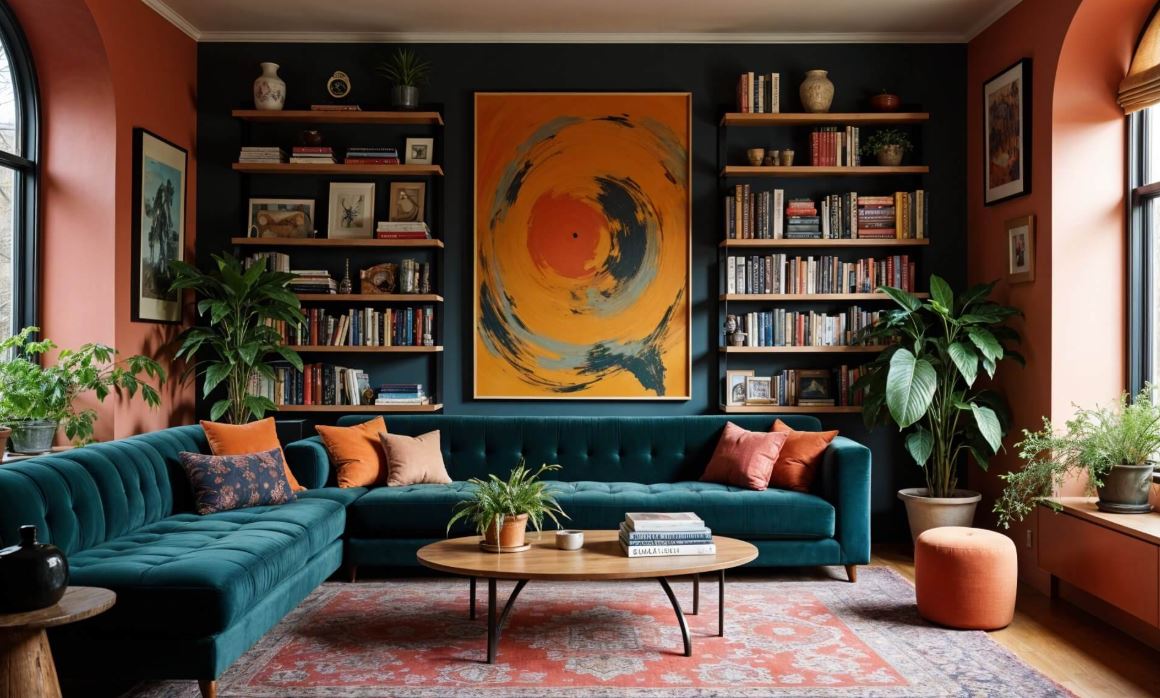
As minimalism fatigue set in, a bold embrace of color emerged through jewel-toned interiors.
Emerald green, deep teal, and burnt orange were layered together to create spaces that felt collected, expressive, and deeply personal.
This blend celebrated individuality and was often paired with vintage furniture, textured fabrics, and global influences.
Rather than aiming for uniformity, these interiors told stories, with each color choice contributing to a sense of warmth and lived-in richness.

The “Biophilic” Sanctuary (2020 – 2021)
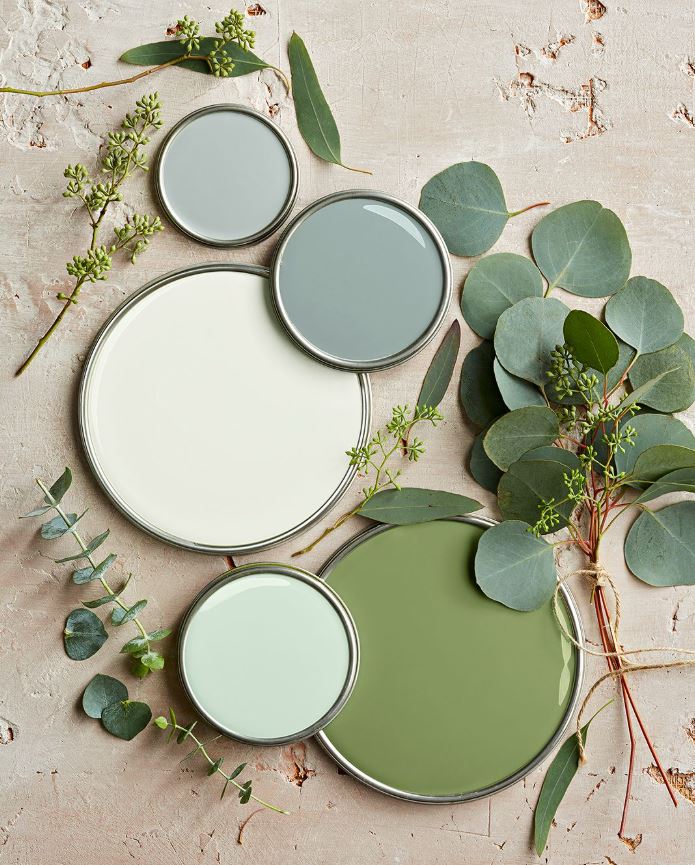
During a period when people spent unprecedented amounts of time indoors, paint colors shifted toward nature-inspired palettes that promoted calm and restoration.
Sage green walls, paired with warm cream finishes and pebble-gray accents, created interiors that felt soothing and grounded.
This blend mirrored the natural world of forests, stone, and soft daylight, helping to reduce stress and create a sense of balance.
Often complemented by indoor plants, these colors transformed homes into sanctuaries focused on wellness.
The “Desert Sunset” Warmth (2021 – 2022)
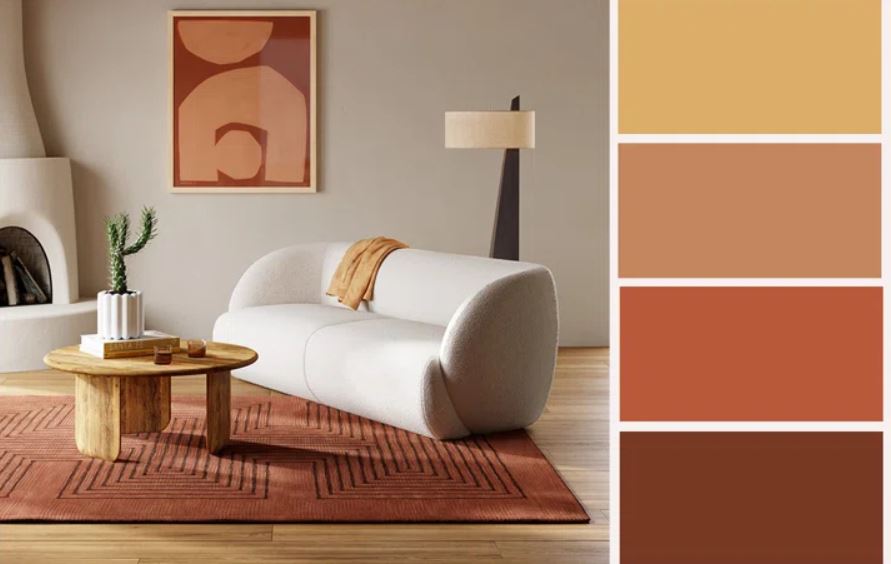
As cool-toned interiors gave way to warmer expressions, desert-inspired palettes rose in popularity.
Terracotta, ochre, and sandy beige tones brought a sunbaked richness to walls, evoking Southwestern landscapes and artisanal craftsmanship.
These colors created a strong emotional connection, offering warmth, stability, and authenticity.
Unlike the polished neutrals of earlier years, this blend celebrated imperfection and texture, making spaces feel grounded and human.
The “New Heritage” Traditional (2023 – 2024)
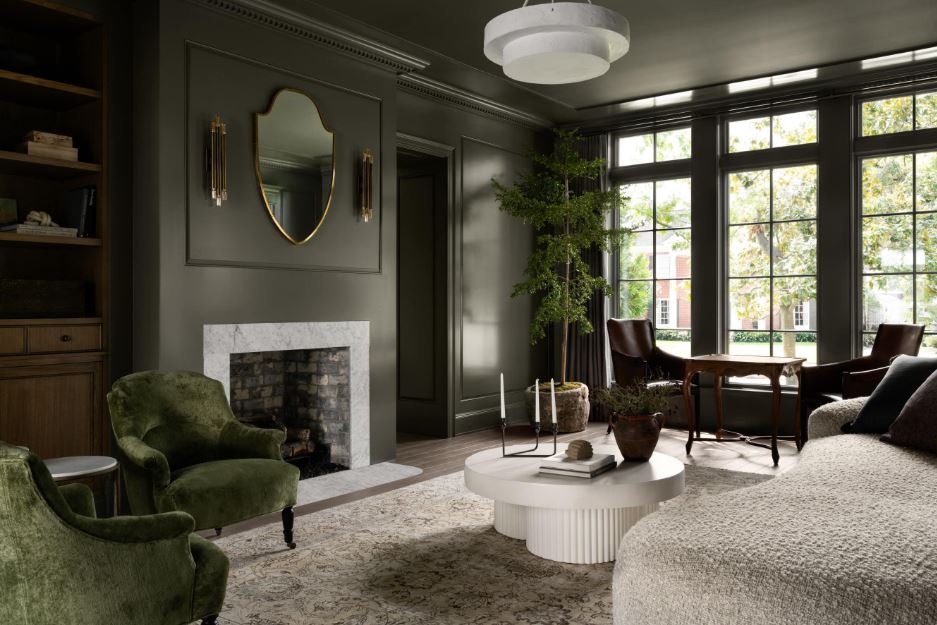
A modern interpretation of classic design emerged through the “new heritage” color movement.
Rich burgundy, racing green, and warm greige combined to create interiors that felt timeless yet updated.
This palette drew inspiration from historic homes and traditional tailoring, while contemporary finishes and cleaner lines kept the look fresh.
Often associated with the rise of “quiet luxury,” these colors conveyed confidence and refinement without overt opulence.
The “Digital Lavender” & Tech-Tone Era (2024 – 2025)
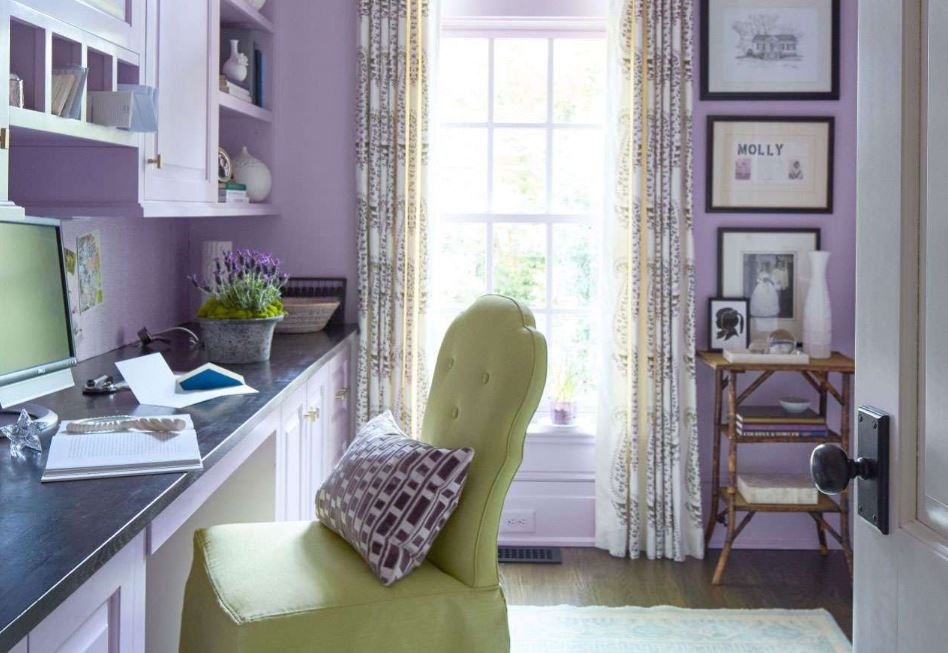
Influenced by digital culture and wellness trends, this color blend introduced a softer, more futuristic approach to interior paint.
Muted lavender tones paired with cool mint and subtle silver accents created spaces that felt imaginative and emotionally uplifting.
Lavender, long associated with creativity and calm, became a bridge between the physical and digital worlds.
These interiors felt light, hopeful, and forward-looking, making them perfect for creative studios and modern apartments.
The “Retro-Glow” (2025 – 2026)
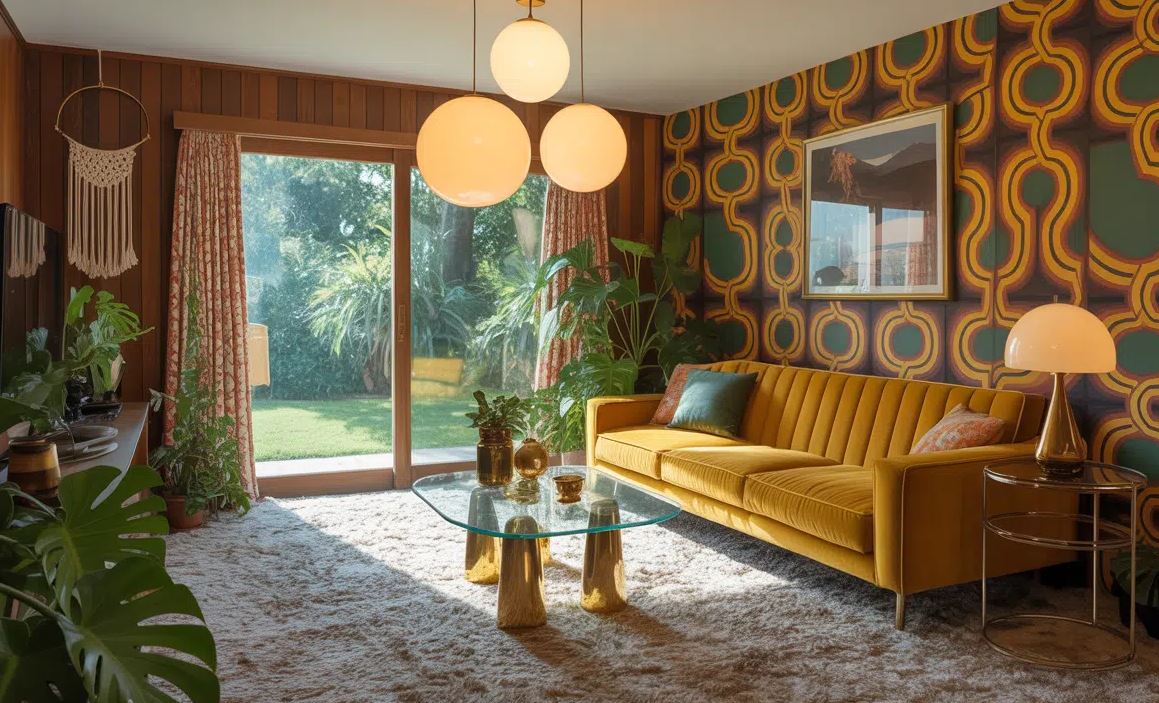
The current color movement embraces nostalgia with confidence, drawing inspiration from the warmth of 1970s interiors while refining them for contemporary living.
Butter yellow walls, chocolate brown grounding tones, and soft apricot accents work together to create spaces that feel sun-drenched and welcoming.
This blend prioritizes warmth and joy, rejecting the cool restraint of previous decades. Modern applications keep the palette intentional, resulting in interiors that feel optimistic and unapologetically expressive.
The journey from the sterile, monochromatic tones of the mid-2010s to the vibrant, soulful palettes of 2026 marks a profound shift in how we perceive our personal sanctuaries.
We have moved away from the pressure of “resale value” neutrals and toward a more courageous, personalized approach to design.
Whether it was the restorative green of the biophilic movement or the high-definition optimism of today’s “Retro-Glow,” each trend proves that the colors we choose for our walls are never just about aesthetics: they are a reflection of our collective need for comfort, identity, and connection.
Amazing Builder Partners