Every great DIY project starts with the right tools. Whether you’re fixing a wobbly chair, putting up shelves, or tackling a bigger home improvement project, having a well-rounded toolbox makes all the difference.
Tools don’t just make your job easier—they help you work faster, safer, and with better results.
If you’re looking to build a solid foundation, here are 10 essential tools every DIYer should own and why they’re so important.
Tape Measure, The Foundation of Accuracy
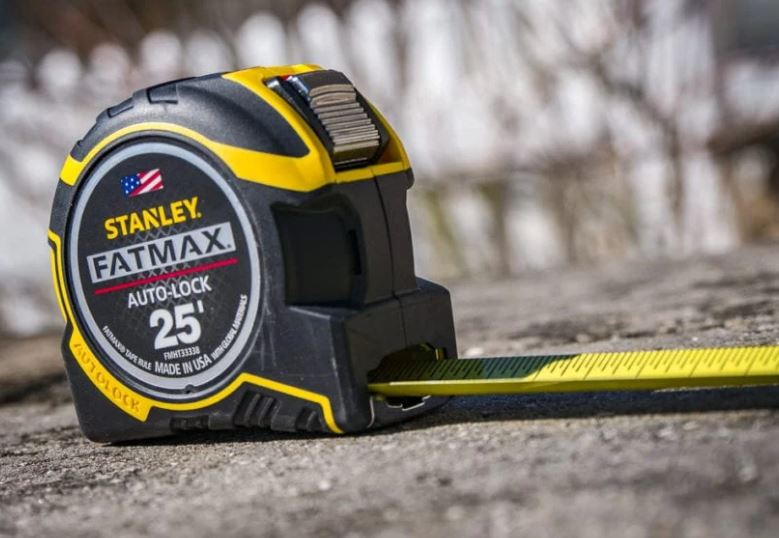
Accuracy is the foundation of every project. A sturdy 25-foot tape measure is essential for taking precise measurements, whether you’re cutting wood, hanging artwork, or laying out furniture.
Without it, even the simplest tasks can go wrong—a shelf won’t fit, a cut will be too short, or a picture frame will hang off-center.
A good tape measure has clear, easy-to-read markings, a locking mechanism to hold your measurement in place, and a durable case that can survive being dropped.
Think of it as the tool that prevents headaches down the line—as the saying goes, “measure twice, cut once.”
Claw Hammer, The Universal Driver and Remover
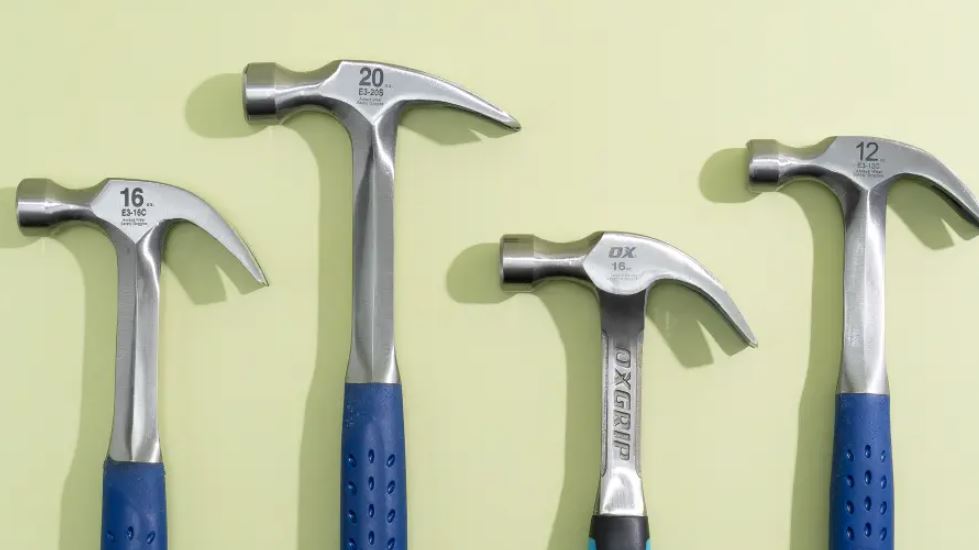
A hammer is one of the oldest and most versatile tools in existence, and for good reason. The claw hammer is the standard for DIYers, one end drives nails into wood, while the other pulls them out.
But it’s more than just a nail driver—you can use it to pry apart boards, tap things into alignment, or even gently break things loose.
A well-balanced hammer with a comfortable grip makes even long jobs easier. It’s a basic tool, but without it, simple tasks like hanging pictures or repairing furniture would be frustrating, if not impossible.
Screwdriver Set, The Backbones of Assembly
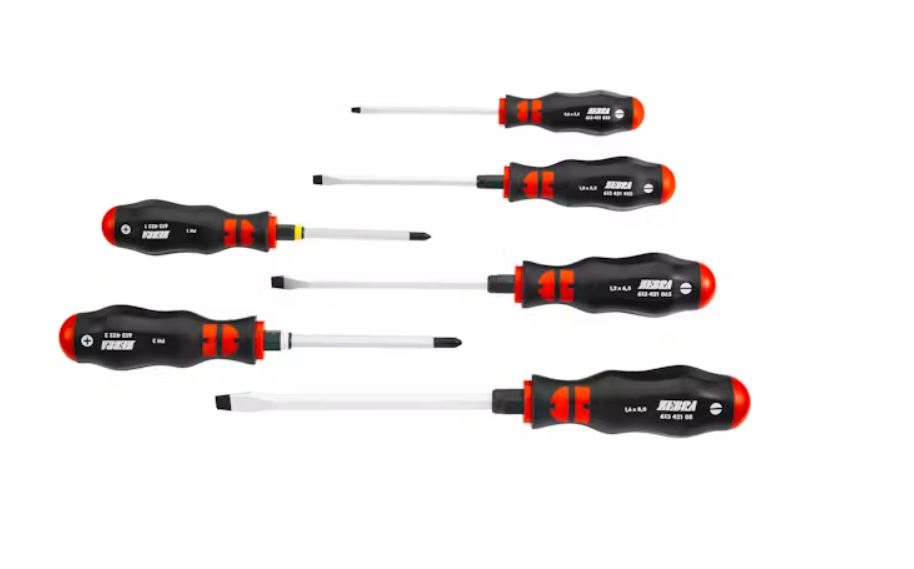
From tightening a loose cabinet handle to assembling new furniture, screwdrivers are the backbone of DIY work.
A set with both Phillips (cross-shaped) and flathead (straight-line) screwdrivers in various sizes ensures you’re ready for any screw you encounter.
Some sets even include interchangeable bits, making them compact and versatile. Magnetic tips are especially handy, as they prevent screws from falling and rolling away.
While it may seem small, a screwdriver set is one of those tools you’ll reach for again and again, often more than any power tool.
Adjustable Wrench, The All-Purpose Grip
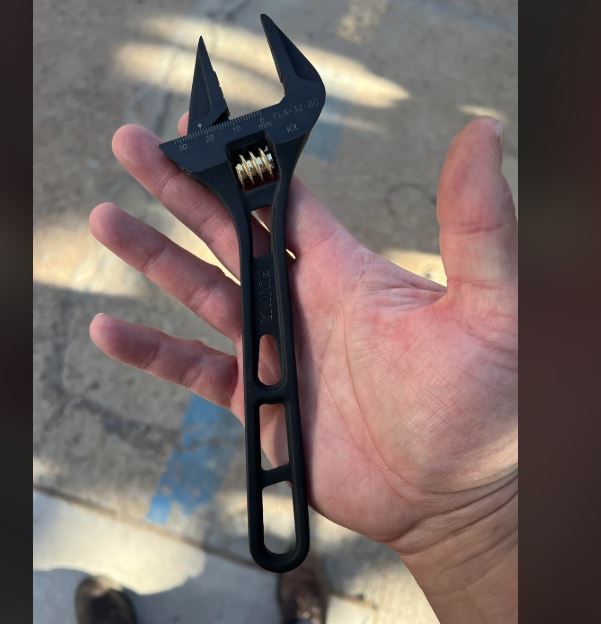
When it comes to nuts, bolts, and plumbing fixtures, an adjustable wrench is your best friend. Unlike fixed-size wrenches, an adjustable one can be set to fit a wide range of hardware, meaning you only need one or two instead of a full set.
It’s especially useful for jobs like tightening a leaky faucet, assembling furniture with bolts, or even repairing bicycles.
A high-quality wrench won’t slip or strip the hardware, making it a reliable go-to tool. Without one, you’d quickly find yourself stuck when dealing with anything involving pipes or bolts.
Utility Knife, The Handheld Problem Solver
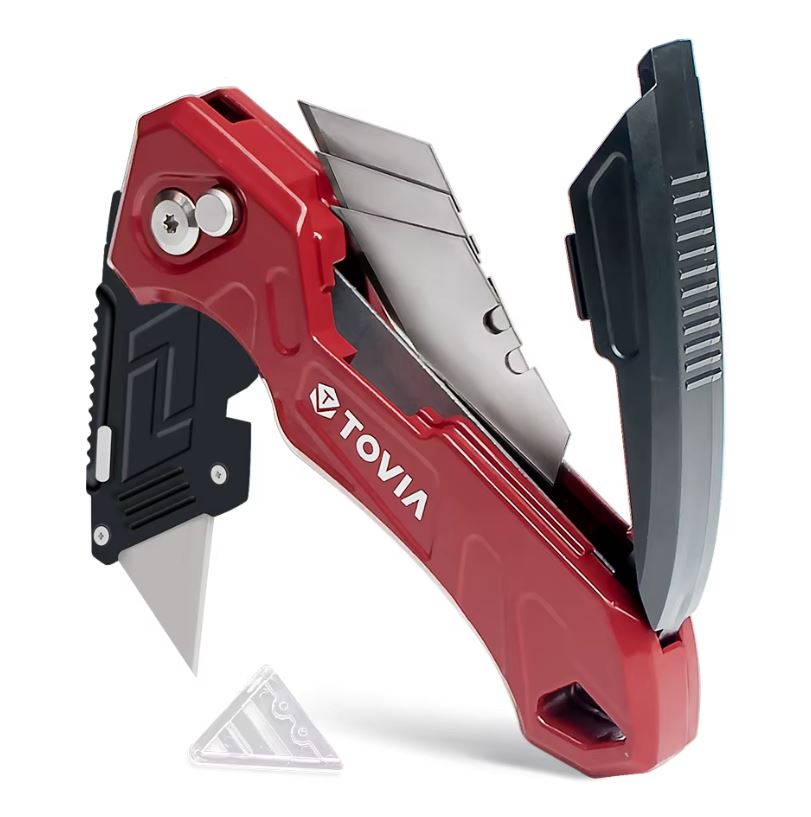
Few tools are as surprisingly useful as a utility knife. Need to trim carpet? Open a box? Score drywall for a clean break? A utility knife does it all.
It’s also safer than many people realize—when blades are kept sharp, they cut smoothly without forcing you to apply dangerous pressure.
Look for one with a comfortable grip and quick blade replacement. It’s the kind of tool you don’t know you need until you have it, and then you wonder how you ever worked without it.

Pliers, Your Extra Set of Hands
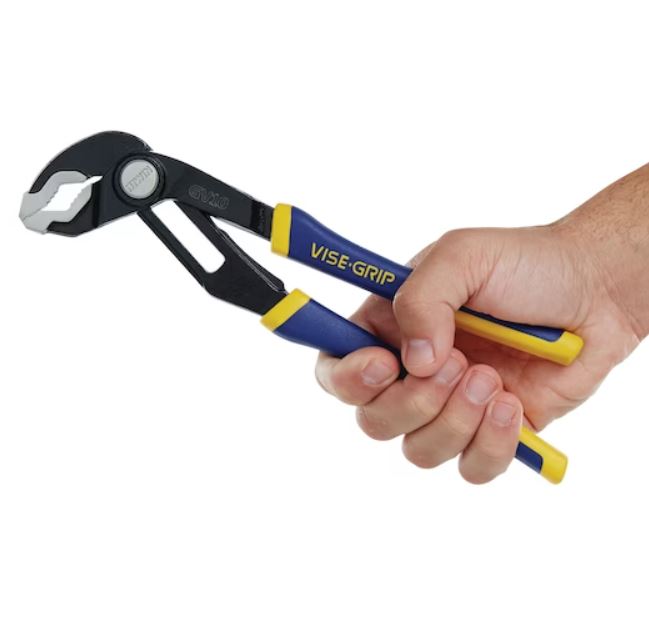
Pliers give you the grip and leverage your hands can’t. Slip-joint pliers are great for gripping, pulling, and holding objects firmly, while needle-nose pliers shine when you’re working in tight spaces or handling delicate tasks like bending wires.
They’re essential for electrical projects, jewelry repairs, and even fishing out lost items in hard-to-reach places.
Unlike a wrench, which is designed for nuts and bolts, pliers can hold irregular shapes and give you control when fingers alone won’t do the job.
They’re the ultimate “extra hand” in your toolbox.
Level, The Key to Professional Finishes
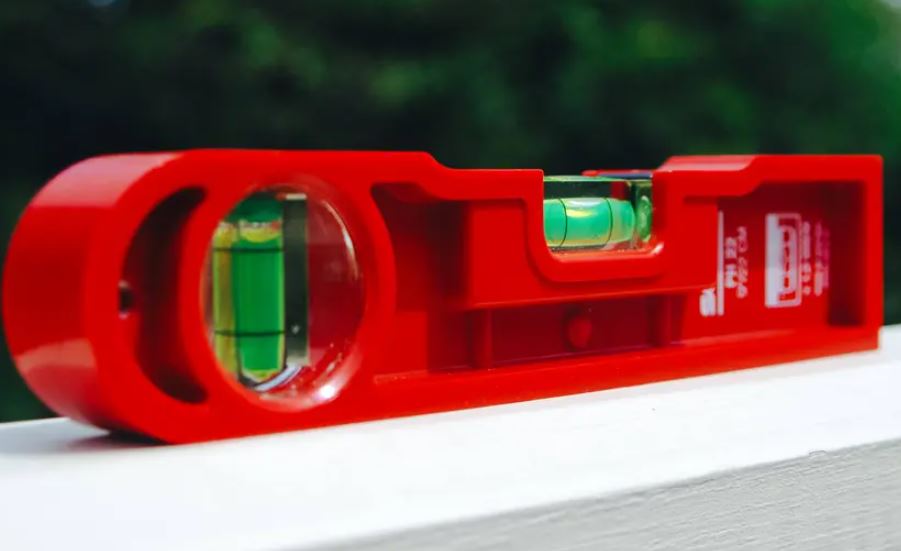
A crooked picture frame or slanted shelf is the kind of mistake everyone notices—and once it’s hung, fixing it can be a pain.
A level ensures your projects are straight and balanced, giving a professional finish to even simple tasks.
A 2-foot level works for most household jobs, but a smaller torpedo level is great for tight spaces, while a longer one is better for construction projects.
Some DIYers upgrade to laser levels for added precision. Regardless of the type, this tool keeps your work from looking like a rushed amateur job.
Cordless Power Drill, The Ultimate Time Saver
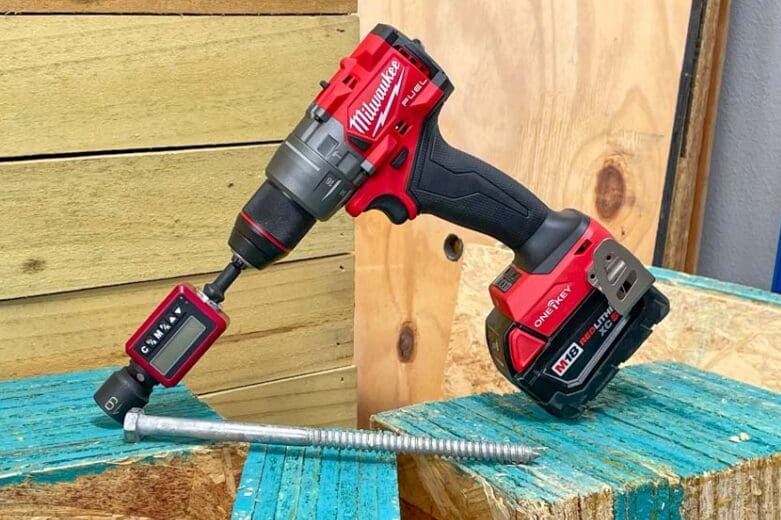
If there’s one power tool every DIYer should own, it’s a cordless drill.
Unlike screwdrivers, which can be slow for big jobs, a drill drives screws in seconds and makes clean holes in wood, metal, or drywall. It’s indispensable for furniture building, installing shelves, or mounting heavy items on walls.
Modern drills are lightweight, have rechargeable batteries, and often come with multiple speed settings for different materials.
Paired with a set of drill bits and driver bits, a drill becomes a multi-purpose powerhouse. It saves time, reduces strain, and makes tough jobs possible for beginners and pros alike.
Handsaw, The Manual Cutting Tool
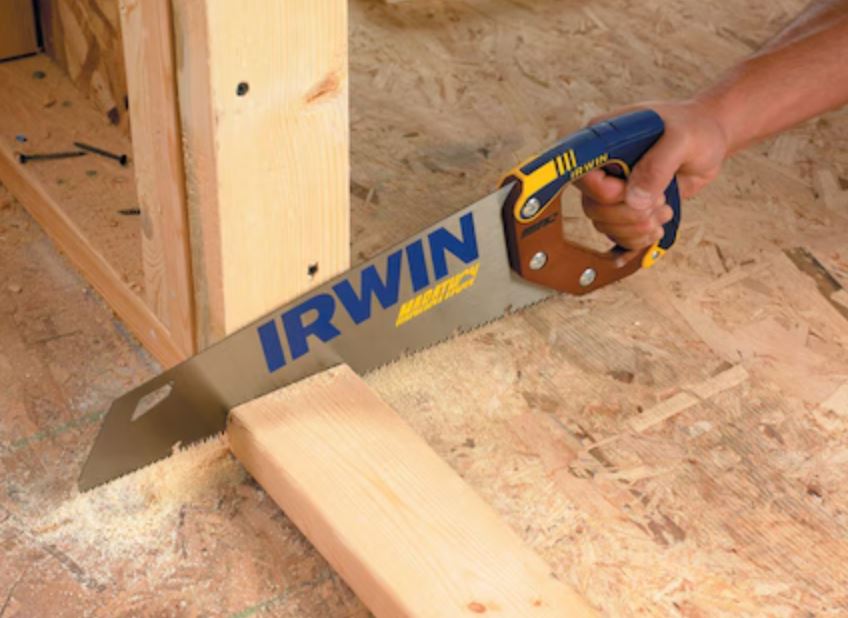
A handsaw is a simple but incredibly useful cutting tool. While power saws are faster, a handsaw is quiet, lightweight, and perfect for smaller jobs—like trimming wood for a shelf or cutting PVC pipe for a plumbing fix.
It’s also safer and more approachable for beginners who aren’t ready to handle power tools.
Keeping one on hand ensures you can make clean, precise cuts without needing an outlet or battery. Sometimes, the old-fashioned way really is the best.
Safety Gear, The Most Important Tool of All
The most overlooked but most important “tool” is safety gear. Safety glasses protect your eyes from flying debris, gloves protect your hands from cuts and splinters, and ear protection saves your hearing during loud projects.
Even if you’re doing something as small as hammering a nail, a stray chip can cause injury.
Safety gear might not feel like a tool, but it ensures you can keep working project after project without harm. Every professional and seasoned DIYer knows, safety always comes first.
Your toolbox doesn’t need to be packed with every tool under the sun to get started. With these 10 essentials, you’ll be equipped to handle most DIY projects confidently and safely.
As you grow in skill and ambition, you can always add specialized tools—but these basics will always be the backbone of your DIY journey.
Amazing Builder Partners