

A small yard can still host real outdoor living if you choose the right starter project. The goal is not a magazine gallery of styles. It is a patio, deck, or privacy move that fits the lot, your budget, and an honest DIY difficulty level.
Work from how you want to use the space: morning coffee, kids at play, a quiet dinner, or a screen from the street. Function and drainage matter as much as looks. Cost and permits matter too, especially when neighbors share a property line.
Pick one idea you can finish or firmly start this month. Stacking every upgrade at once crowds a tight lot and burns weekends you could enjoy outside.
Start With Your Outdoor Living Goals
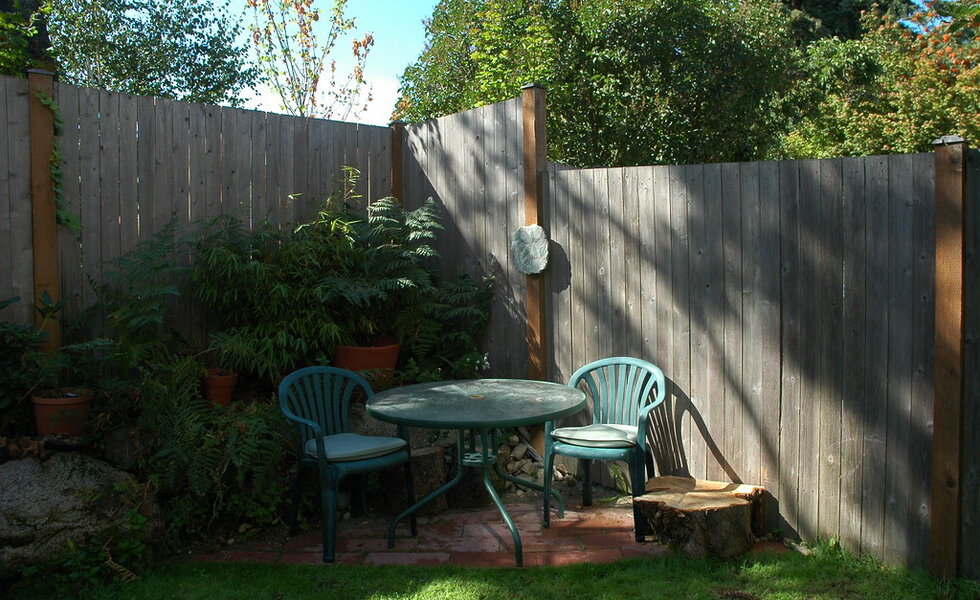
Write down the top two uses for the yard before you sketch a fence line or order lumber. Shade, cooking, play space, pet runs, and privacy each pull the design in different directions. Measure the usable area after setbacks, AC units, and paths. Note where sun hits in late afternoon and where water pools after rain.
Clear goals keep you from building a deck you never sit on or a tall fence that steals light from a tiny patio. Share the list with anyone who shares the home so the first build serves the household, not one wishlist.
Patio or Deck When the Lot Is Tight
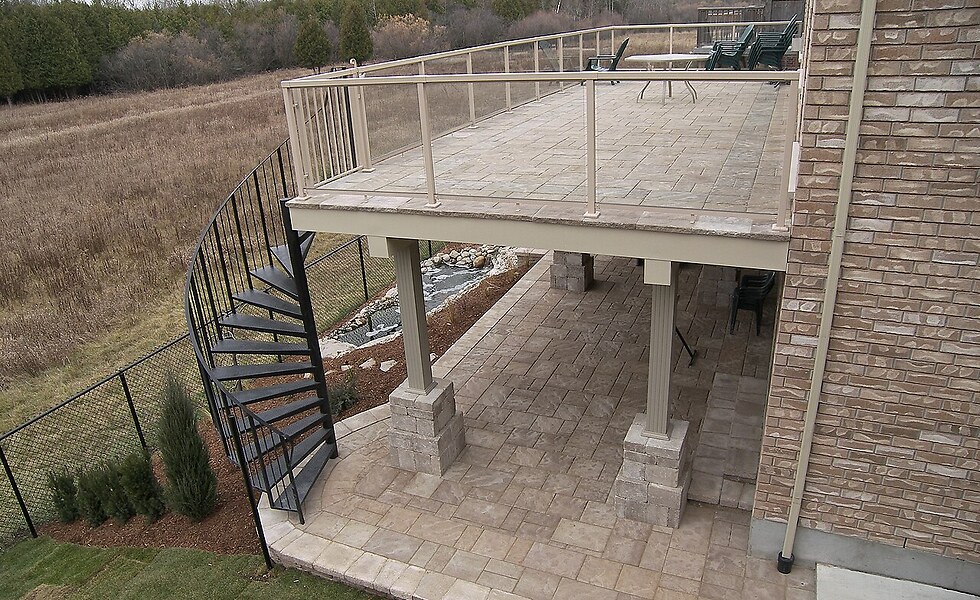
Patios often win on tight lots because they sit low, drain well when graded right, and skip tall framing. Decks shine when you need a level floor over a slope, want to clear damp ground, or match an elevated door. Compare excavation, base prep, and step counts, not just board prices.
In a narrow side yard, a slim patio with a bench may beat a mini deck that needs railings on three sides. Choose the surface that solves grade and access first. Style finishes come after the structure earns its footprint.
Privacy Fence Basics Without Overbuilding

A privacy fence should block the views that bother you without turning the yard into a box. Confirm property lines, height limits, and post depth for your soil and frost line. Solid panels give more screen. Spaced boards keep air moving and feel lighter in a small space.
Gate placement matters as much as fence height so trash, bikes, and mowers still move easily. Start with the street or neighbor side that hurts privacy most. You can add runs later. Overbuilding the whole perimeter in one weekend rarely helps a compact yard.
Budget Materials: Wood, Vinyl, and Composite
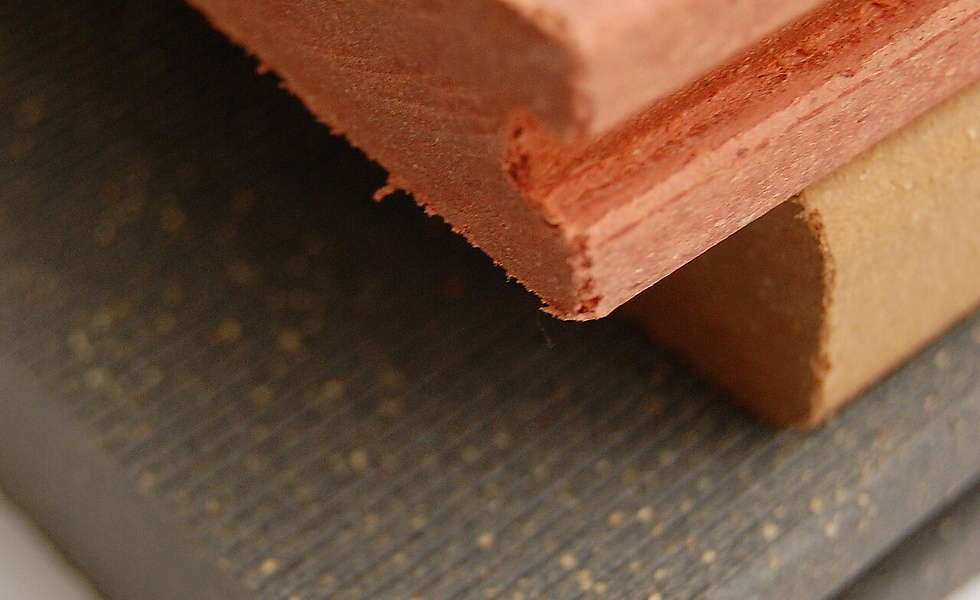
Pressure-treated wood costs less up front and accepts many looks, but it needs sealing and eventual board swaps. Vinyl fences cut painting chores and suit many privacy runs, though styles and repair parts vary by brand. Composite decking raises material cost and lowers yearly coating work, which helps if you value weekends more than sticker price.
Match fasteners and flashing to each material so warranties and durability hold. Buy from a supplier who stocks matching replacements. In a small yard, fewer linear feet mean you can step up material quality without a warehouse budget.
A Weekend Privacy Screen When a Full Fence Can Wait
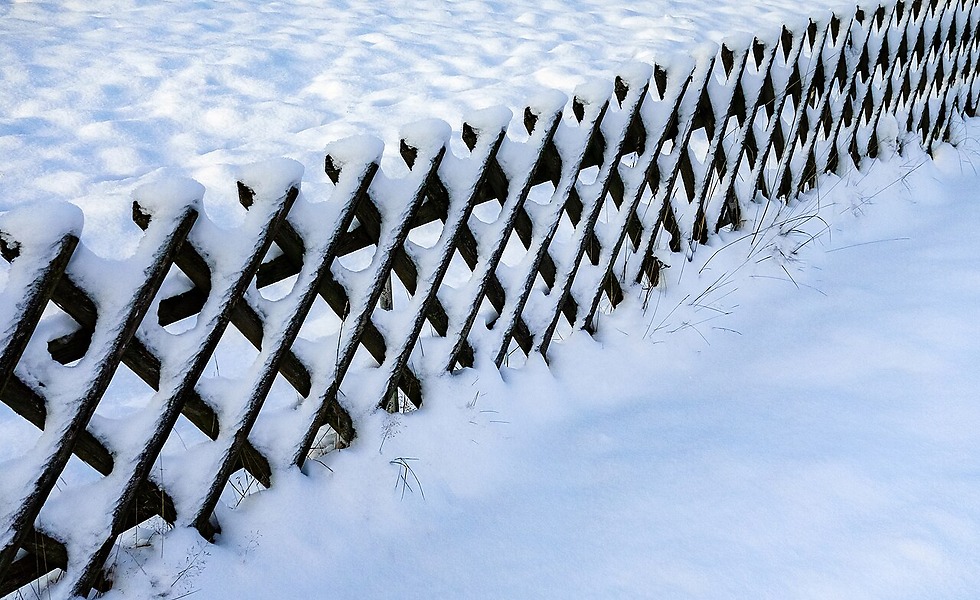
If permits, neighbors, or budget delay a full fence, a freestanding privacy screen or short run of panels can hide a grill, trash area, or sightline from the alley. Anchor posts properly, keep the screen out of utility easements, and leave airflow so the yard does not feel closed in.
Pair the screen with a planter or vine only if your climate and HOA allow it. This weekend option buys comfort now and teaches you how much privacy you actually want before you commit to a long fence line.
A Compact Deck Starter Footprint
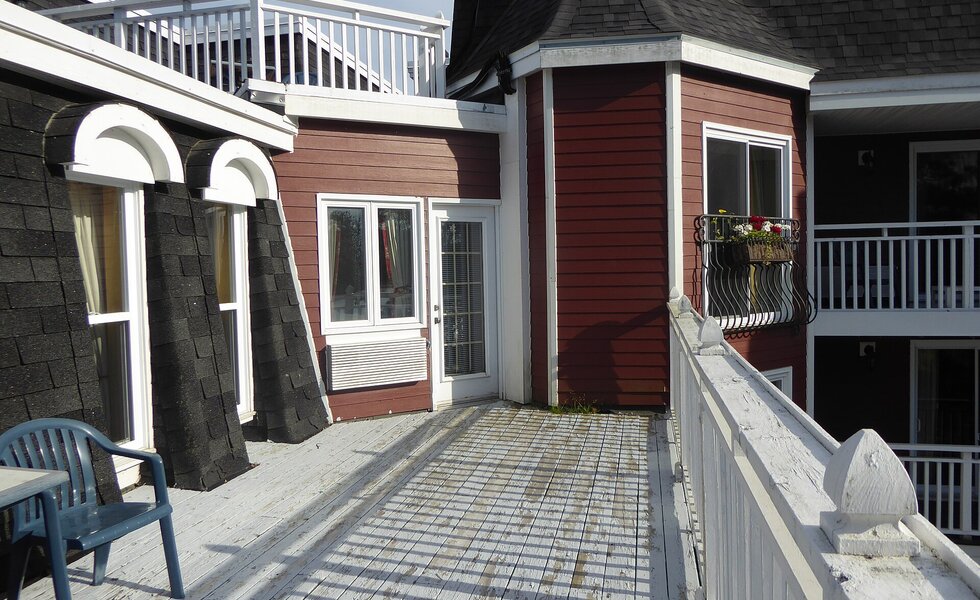
Size the first deck for one clear activity: a table for four, two chairs and a grill, or a mudroom step-out. Square footage creeps fast on paper and eats planting room on the ground. Keep the shape simple so framing stays DIY-friendly.
Plan stair width, landing depth, and door swing before you cut posts. Leave space for future railing flower boxes only if the structure can carry them safely. A compact, well-built rectangle beats a sprawling outline you rush to finish before the weather turns.
Railings and Safe Edges for Everyday Use
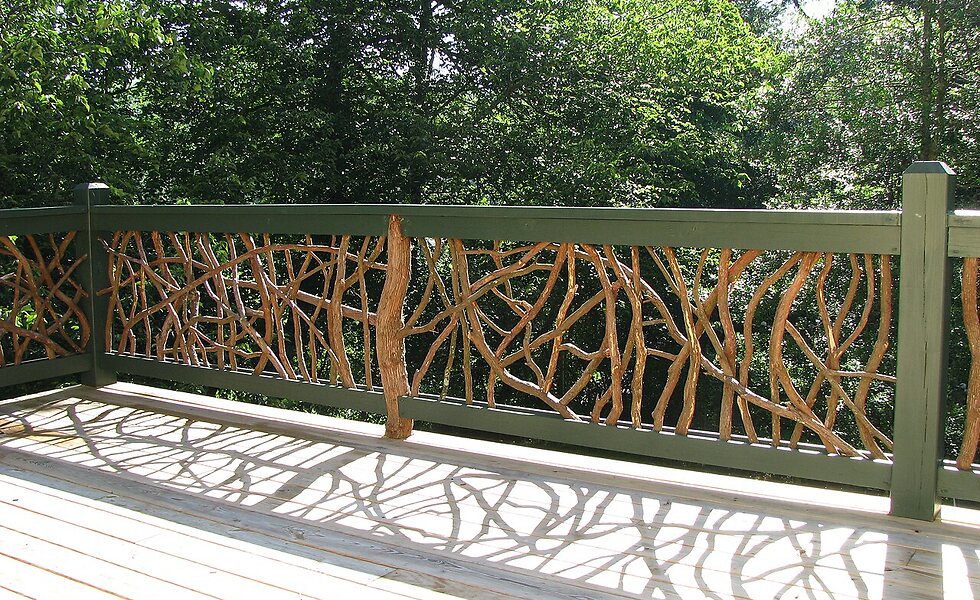
Any deck or raised patio edge that needs a guard should meet local height and opening rules. Check codes for your city or province before you buy balusters. Solid rails add privacy. Open rails keep views and light in a small yard.
Mind stair handrails, graspable profiles, and secure posts. Sand splinters on wood rails and choose composites rated for railing use if that is your path. Safe edges protect kids, guests, and future you carrying a tray at dusk. Beauty is secondary to a rail that stays tight through seasons.
Permits and Neighbor Notes Across the US and Canada
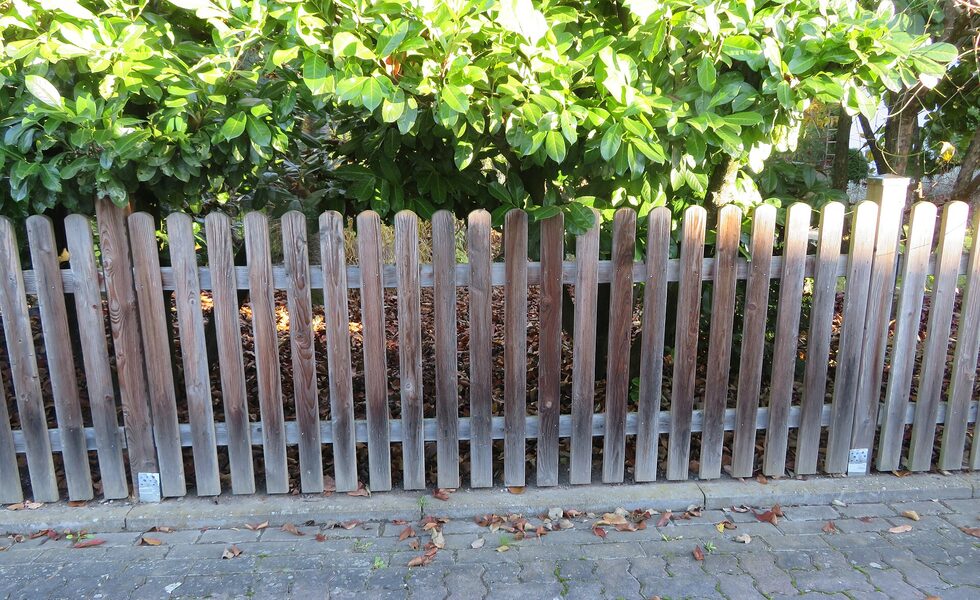
Fence height, setbacks, and deck permits differ by municipality, and Canadian cities often publish clear guide sheets online. Call or search before you dig post holes. Talk with neighbors early if the fence sits on or near a shared line, and document agreements in writing when you can.
Utility locate services matter before excavation in both countries. HOA rules can be stricter than city code. A short delay for permits costs less than tearing out a weekend of work. Keep printed approvals in a project folder with receipts and product labels.
A DIY Difficulty Ladder You Can Climb
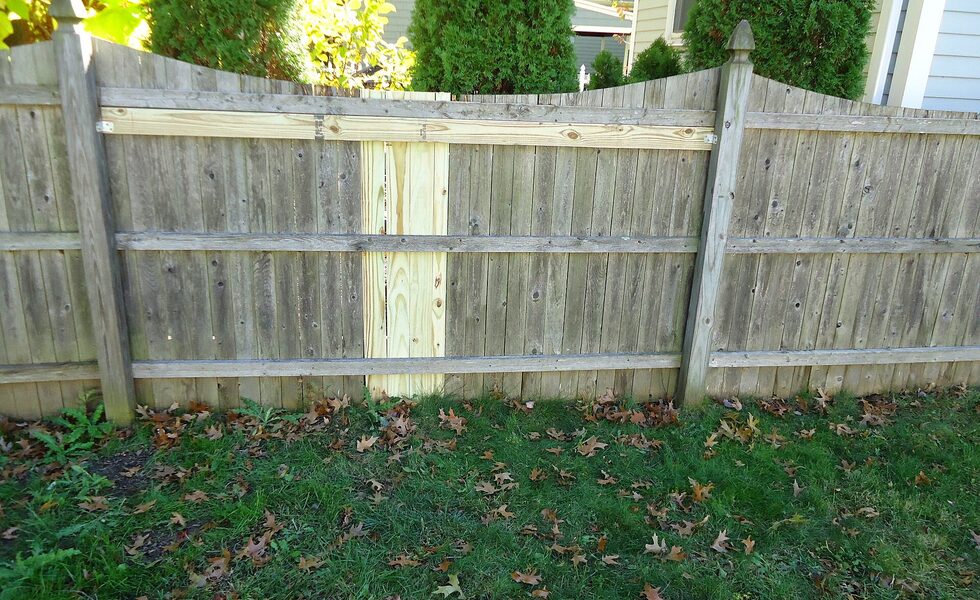
Level one covers cleaning, staining an existing deck, or installing a kit privacy screen on a flat pad. Level two covers a simple ground-level patio with proper base, or replacing fence boards on sound posts. Level three covers new fence runs with footings, or a low framed deck with ledger detail done to code.
Climb one rung at a time. Rent tools you will not reuse, and hire out electrical, gas, or complex structural ties. Matching the project to your current skills protects both the build and your confidence for the next outdoor upgrade.
Drainage and Freeze-Thaw Tips That Protect Your Build
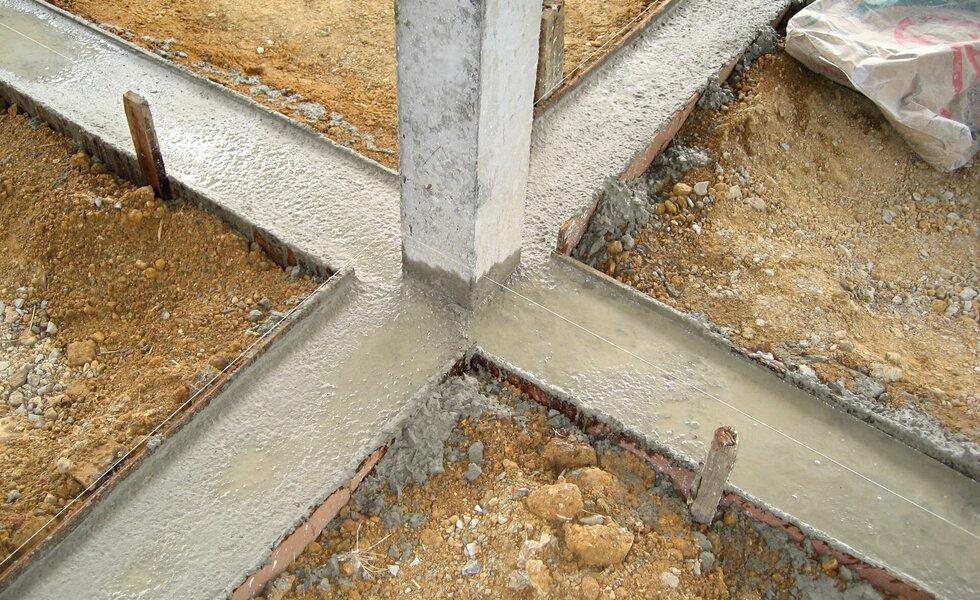
Water that sits against posts, under decking, or on a flat patio shortens every material life. Grade soil away from the house, keep gaps in deck boards clear, and avoid trapping mulch against fence bottoms. In freeze-thaw regions, set footings below frost depth as local practice requires, and choose bases that drain.
Spring heave loves shallow posts and poorly drained slabs. Sweep leaves from low spots in fall. Good drainage is invisible curb appeal for the backyard: the structure simply lasts longer and stays safer underfoot.
Cost Bands for Fence and Deck Starters
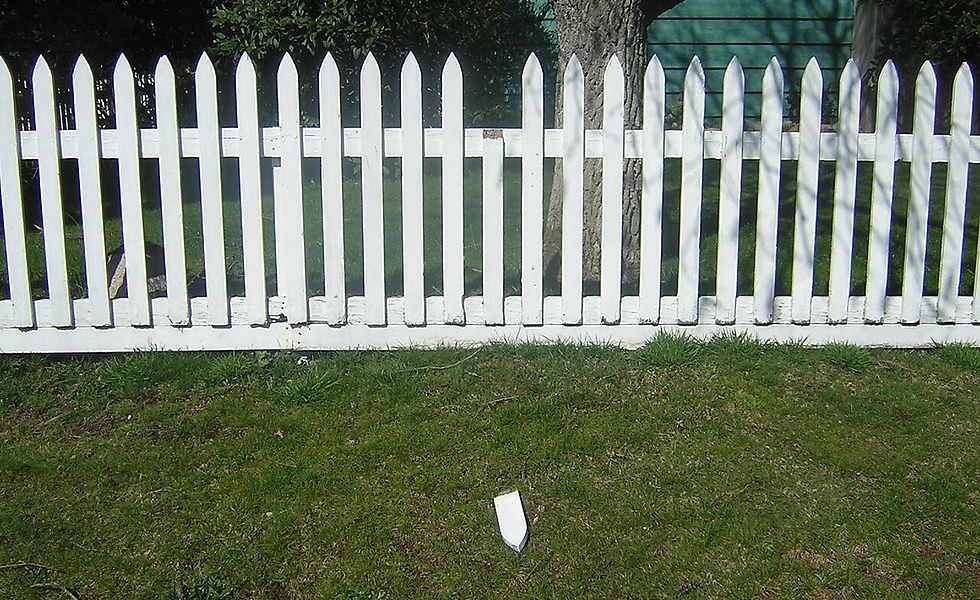
A privacy screen or small patio refresh can land in a lower band if you reuse edging and shop sales on panels. A short wood fence run or compact floating deck kit sits in a mid band once you add fasteners, concrete, and finish. Full privacy fencing or a framed deck with railings and stairs climbs quickly, especially in composite.
Get two material quotes and one labor quote for anything past a weekend screen. Hold a contingency for hidden soft posts or uneven grade. Spend first on structure and drainage, then on stain color and decor.
The First Project to Schedule This Month
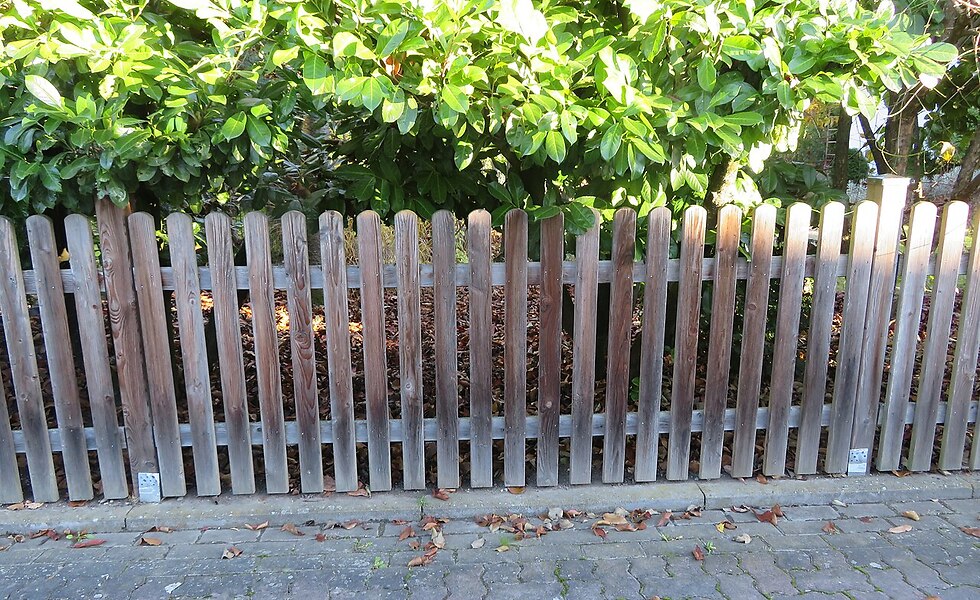
Choose the smallest project that unlocks the outdoor habit you miss most. If privacy stops you from using the yard, schedule the screen or the worst sightline fence run. If you need a clean place to sit, schedule the patio pad or compact deck footprint.
Block a weather window, order materials early, and arrange help for post setting or slab days. Put the permit call on the calendar before the hardware-store run. One finished starter beats three half-built ideas, and a small yard rewards clear priorities more than grand plans.
Amazing Builder Partners