

First homes teach you quickly which fixes belong on a Saturday and which ones belong on a licensed pro’s schedule. This checklist focuses on repair tasks, not a shopping list of tools, so you build judgment along with skill.

Start with safety habits: know your breaker panel and main water shutoff before anything drips or sparks. Then work through common irritations like a running toilet, a slow sink, or a sticky door. Each section notes when to stop and pick up the phone.
Keep receipts, product labels, and a simple log of what you changed. Future you, and any buyer later, will thank you.
Safety First: Breakers and the Water Shutoff
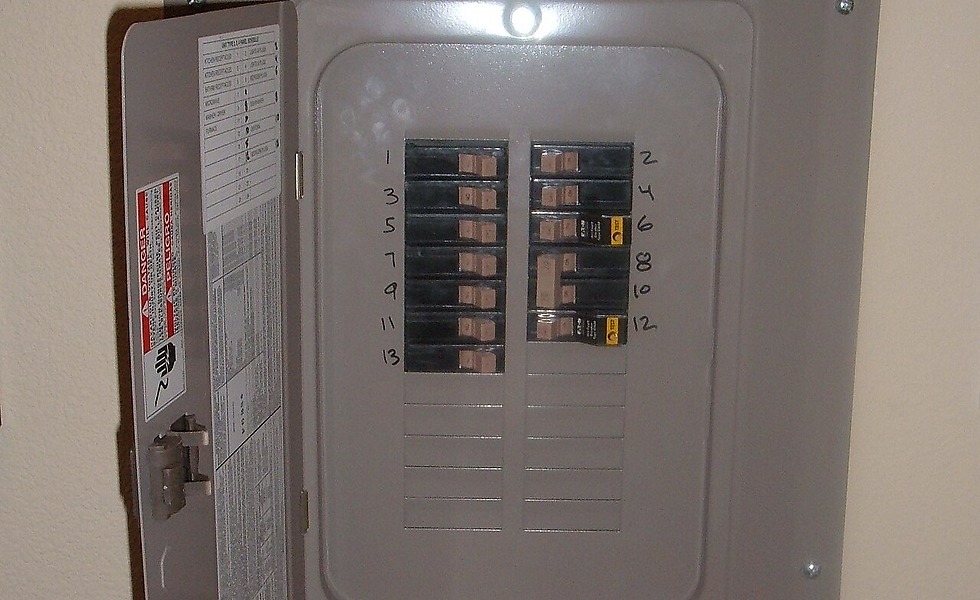
Label breakers while the power is on and lights still work, then test one room at a time so the map matches reality. Find the main water shutoff and any local valves under sinks or behind toilets, and confirm they turn without forcing. Show every adult in the home where both are.
Keep a flashlight near the panel and a shutoff tool if your valve needs one. These two habits prevent small repairs from becoming flooded floors or shocked fingers. If the panel is hot, buzzing, or full of mystery breakers, call an electrician before you DIY further.
Quieting a Running Toilet
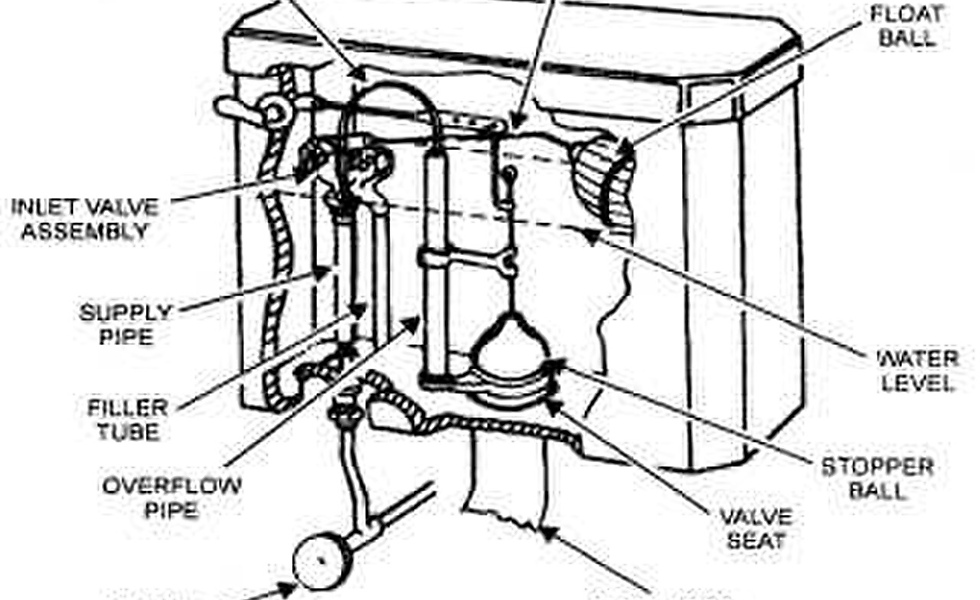
A toilet that runs between flushes wastes water and sleep. Lift the tank lid, watch the fill cycle, and check whether the flapper seals, the chain length is right, and the fill valve shuts off cleanly. Shut the supply valve before you swap a flapper or fill valve kit, and match parts to your tank type.
Avoid over-tightening plastic fittings. If the bowl overflows, cracks, or the wax seal smells, stop. Continuous leaks at the base or a soft subfloor mean it is time for a plumber, not another late-night parts run.
Caulk and Minor Leaks You Can Seal Yourself
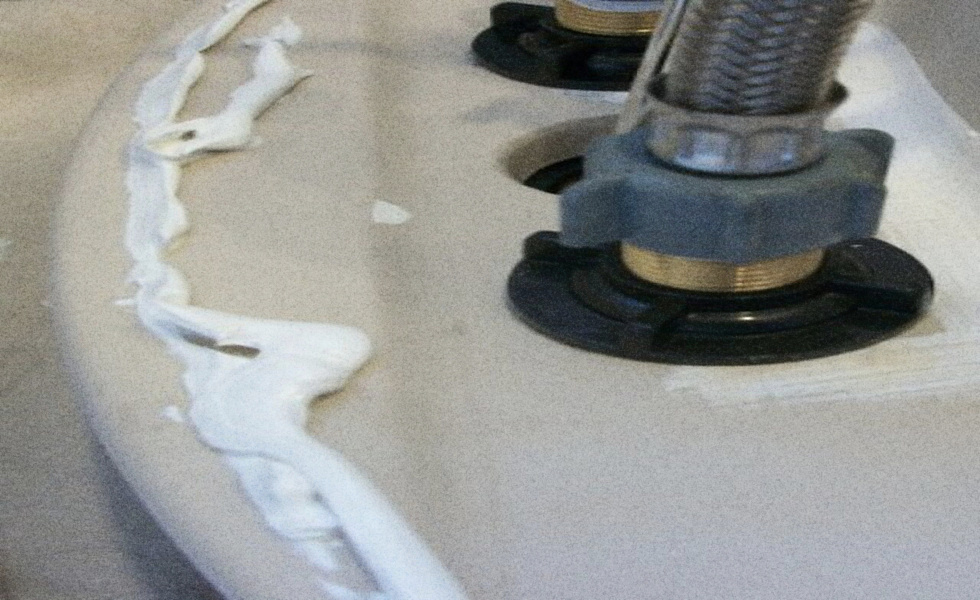
Fresh caulk at tub surrounds, sink rims, and exterior trim gaps blocks water that ruins drywall and framing. Cut out failed beads, clean and dry the joint, then tool a smooth exterior or kitchen-and-bath caulk suited to the surface. For a weeping shutoff or supply coupling, try gentle tightening first, then a washer or connector rated for potable water.
Never caulk over active mold without fixing the moisture source. If you see stained ceilings, soft floors, or leaks you cannot reach, call a pro. Sealing symptoms while water still moves only hides damage.
Clearing a Clogged Sink Drain
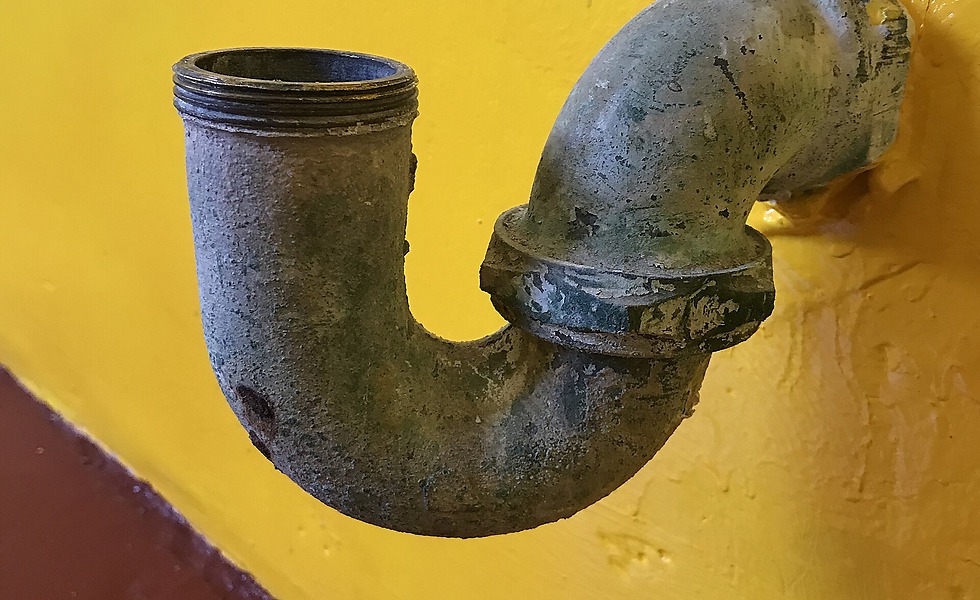
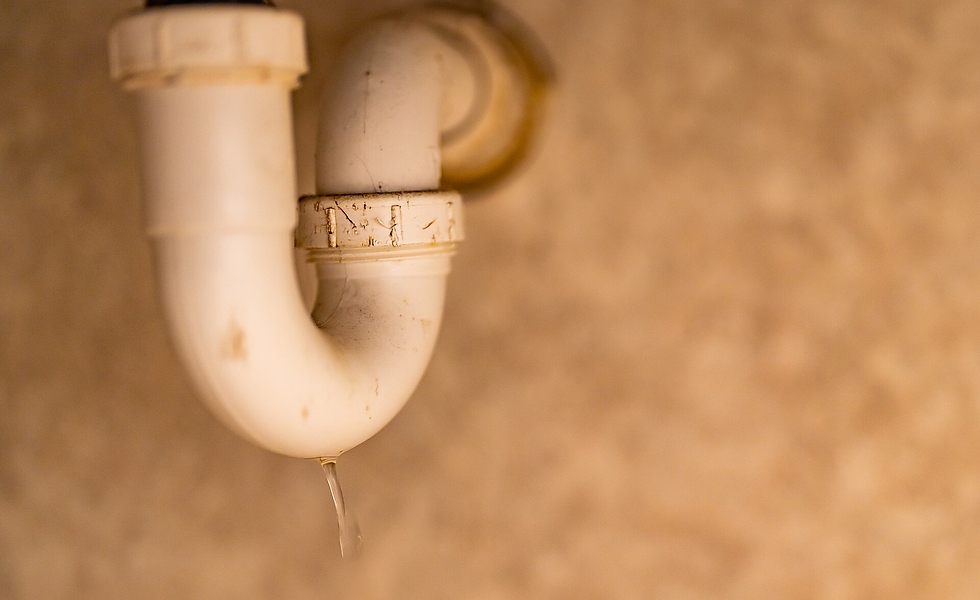
Start with a cup plunger and a bucket under the trap. Remove and clean the P-trap if hair and grease live there, then reassemble with fresh washers if the old ones are flat. A plastic drain snake handles many sink clogs beyond the trap.
Skip harsh chemical drain openers when you still plan to open pipes by hand. They can splash and damage finishes. If both sinks on a shared line back up, or you hear gurgling in other fixtures, the clog may be deeper. That is plumber territory, especially if sewage odors appear.
Tripping GFCIs and Dead Outlet Basics
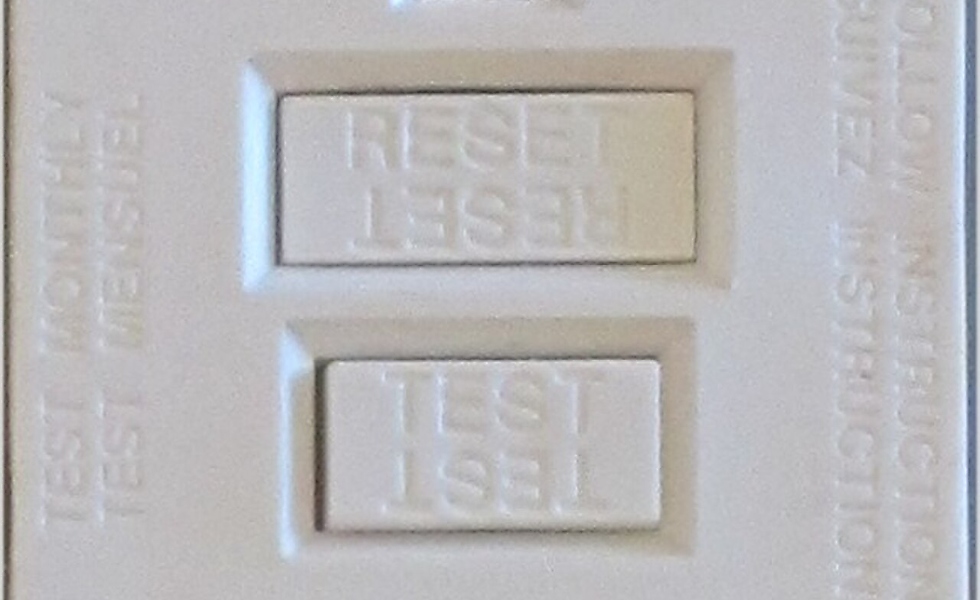
When a bathroom or kitchen outlet dies, check GFCI reset buttons in that room and in nearby spaces on the same circuit. Press reset firmly after correcting whatever tripped it, like a damp plug. For a dead outlet elsewhere, confirm the breaker and test with a known-good lamp. Replace a cracked cover plate only with power off.
Stop before opening boxes if you smell burning, see scorch marks, or find aluminum wiring you do not understand. Outlet replacement and panel work belong to a licensed electrician when anything feels beyond a reset and a visual check.

Smoke and Carbon Monoxide Detector Care
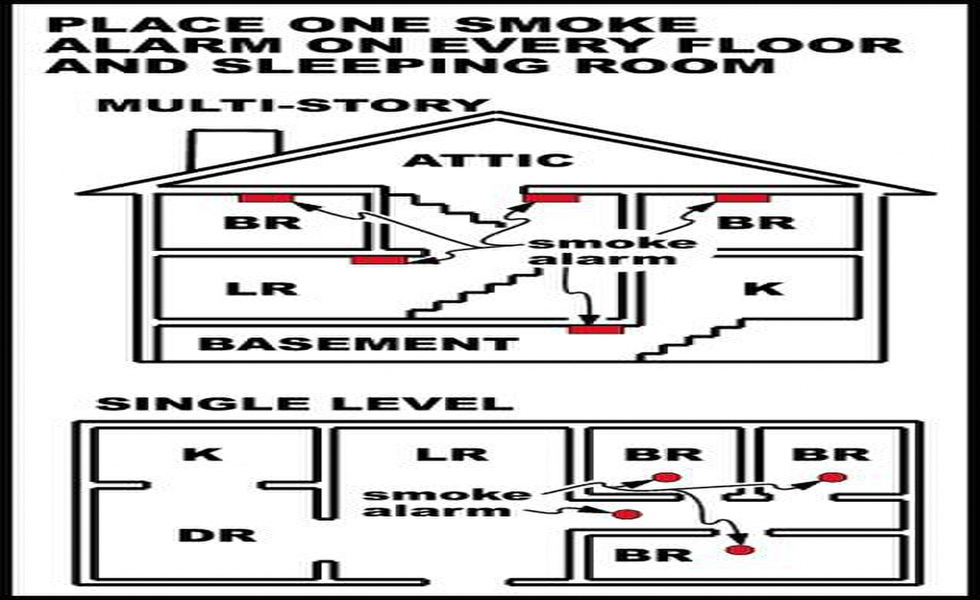
Test detectors monthly, vacuum dust from vents, and replace batteries on a schedule you actually remember. Note the manufacture date on the unit. Most need full replacement after the years listed on the label, not endless battery swaps. Install units where local code and the manufacturer map recommend, and never disconnect a chirping alarm without fixing the cause.
If you need hardwired interconnection or your ceilings hide old wiring, hire an electrician. Working detectors are non-negotiable safety gear. Treat them as maintenance, not decor, and keep spares for battery models on a closet shelf.
Sticky Doors and Loose Hinges
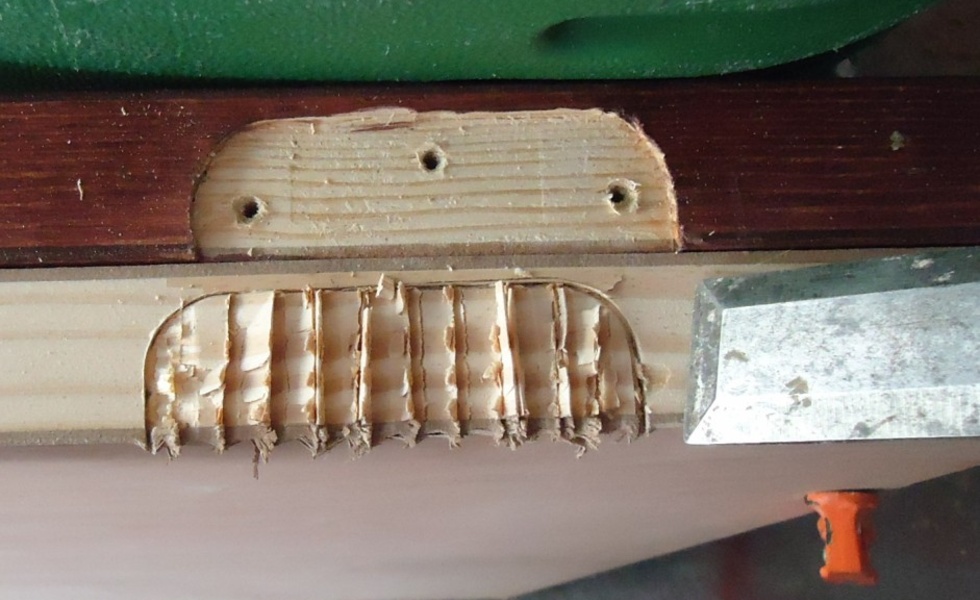
A door that sticks after humid weather may need a hinge screw tightened into solid framing, a strike plate adjustment, or a light plane on a high spot once you mark the rub. Longer screws in the top hinge often pull a sagging door back into alignment. Lubricate hinges and latch faces with a product safe for your finish.
If the frame is out of square from settlement, or the door is fire-rated and altered, get help. Forcing a door with a heavy plane can ruin fit and weatherseal. Small hinge fixes are classic first-home wins.
Paint Touch-Ups and Nail Pops
Save labeled leftover paint for scuffs and nail pops. Drive popped nails slightly flush or add a trim screw nearby into a stud, dimple the surface, then spot-prime and paint. Feather edges so patches disappear in normal light.
For larger cracks that reopen, look for moisture or movement before you build a thick mud stack. Match sheen as well as color. Ceiling pops after a roof leak need the leak solved first. These cosmetic repairs keep walls looking cared for and train your eye for problems that are structural rather than just ugly.
Seasonal Filter and Vent Checks
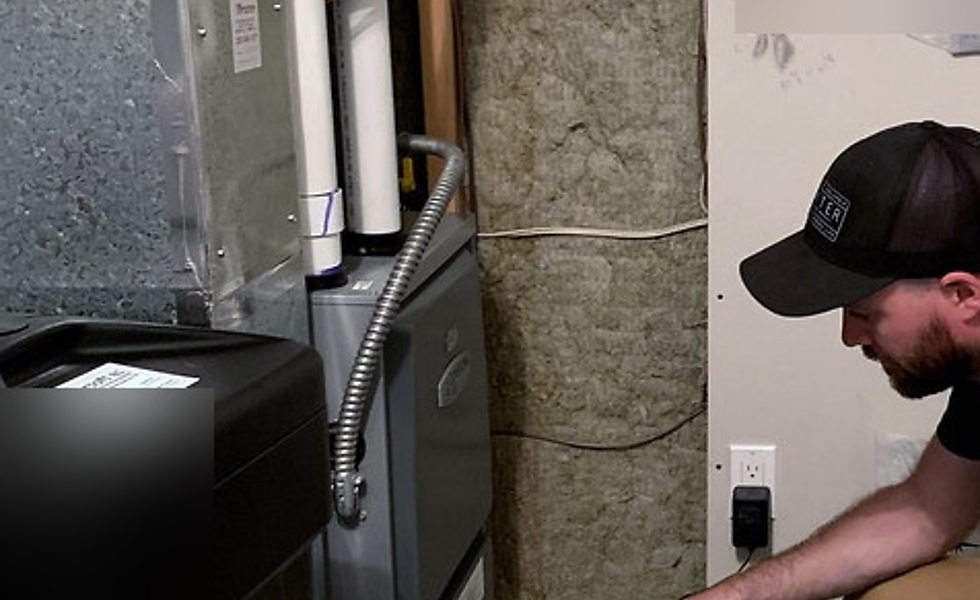
Change HVAC filters on the interval your system and household dust level need, and write the date on the frame. Keep supply and return vents clear of rugs and furniture. Check dryer vents for lint buildup and confirm the exterior flap opens freely. Bathroom fans should vent outside, not into an attic.
If airflow stays weak after a new filter, or you suspect a disconnected duct, call HVAC help. Seasonal checks cost little, protect equipment, and reduce fire risk from lint. They are dull, durable habits that pay off every heating and cooling season.
A DIY Versus Call-a-Pro Decision Tree
Ask three questions before you start. Is the repair about a single fixture you can isolate with a shutoff or breaker? Do you have the right parts and a clear manufacturer or code-minded guide? Would a mistake flood, burn, or structurally damage the home? If any answer worries you, call a pro.
DIY fits flappers, caulk, traps, detector batteries, hinge screws, paint, and filters. Pros fit gas lines, main panels, active roof leaks, sewage backups, and load-bearing changes. Pride is cheaper than pride plus water damage. Knowing the line is the real first-home skill.
Your Priority Order Checklist

Fix safety and water first: detectors, shutoffs you understand, active leaks, then toilets that run nonstop. Next clear drains that block daily life, then electrical resets you can do safely. After that, doors, paint, and seasonal filters keep the house comfortable and tidy.
Write the list on one page, date each finish, and star anything you deferred to a pro with the appointment note. Revisit the list each season so small tasks do not pile into an emergency weekend. Priority order turns a random chore pile into a calm, first-home repair rhythm.
Amazing Builder Partners