
Chimney cleaning and a few quick fireplace safety checks are the best way to start the season before you strike the first match. The first cold night makes a crackling fire feel like the perfect plan. But a chimney that sat all summer can hide soot, a bird’s nest or a cracked liner.

Any of those problems can turn a cozy evening into a house fire or a carbon monoxide leak. The good news is that most of them are easy to spot and simple to fix when you catch them early. You don’t need to climb on the roof for most of the checks below.
This guide covers 12 checks for a wood-burning fireplace, from booking a yearly inspection to knowing the warning signs of a chimney fire. Work through them once each fall, and you can enjoy every fire with peace of mind.
Book a Chimney Inspection Once a Year
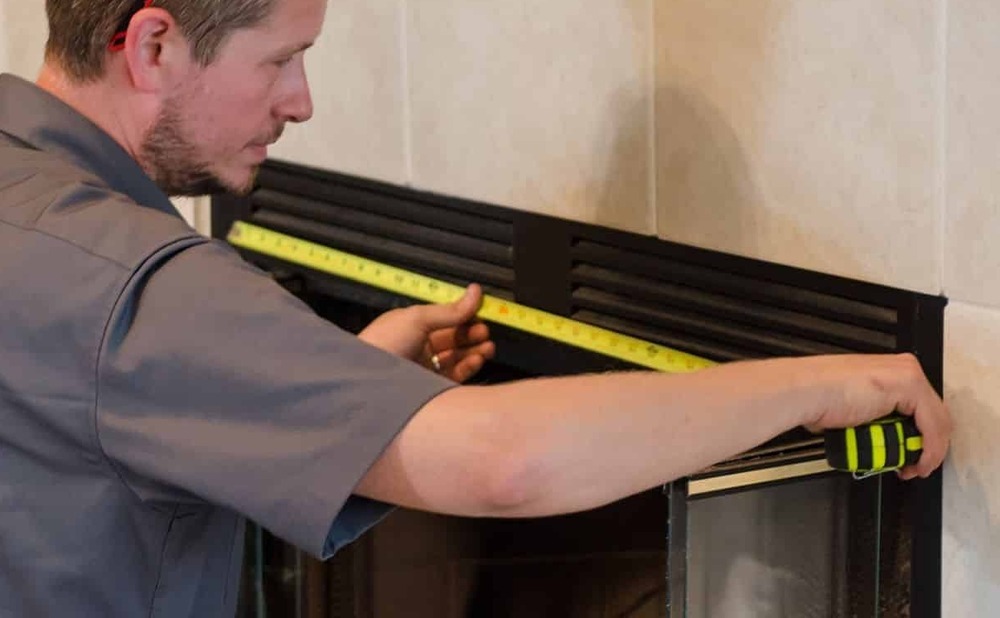
A chimney inspection once a year is the most important step on this list. The National Fire Protection Association (NFPA) sets this rule in its standard, NFPA 211, which says chimneys, fireplaces and vents should be inspected at least once a year. The Chimney Safety Institute of America (CSIA) follows the same rule, even for fireplaces you rarely use.
Book a CSIA-certified sweep in late summer or early fall, before the busy season fills their calendar. A routine visit is called a Level 1 inspection. The technician measures and checks the parts that are easy to reach, such as the firebox opening, looks up the flue with a light and confirms that nothing is blocking it.
How Often Should You Clean Your Chimney?
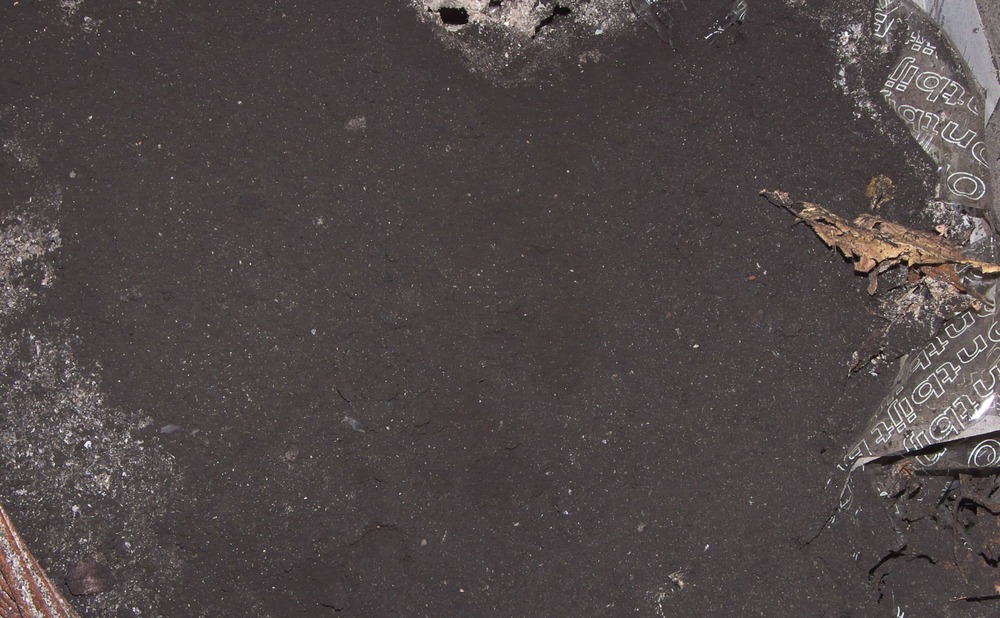
Clean your chimney whenever soot builds up to about 1/8 inch, or sooner if your sweep finds any shiny glaze, which is the CSIA guideline for masonry fireplaces. For many families who burn a few fires a week, that works out to about once a year. That buildup is creosote, a tar-like residue left by smoke, and it fuels most chimney fires.
Creosote forms in three stages. Stage 1 is flaky soot that a brush removes easily. Stage 2 is crunchy and tar-like. Stage 3 is a hard, glassy glaze that needs professional removal. Creosote-removal logs can loosen buildup, but they never replace a real sweep.
Check the Chimney Cap and Spark Arrestor
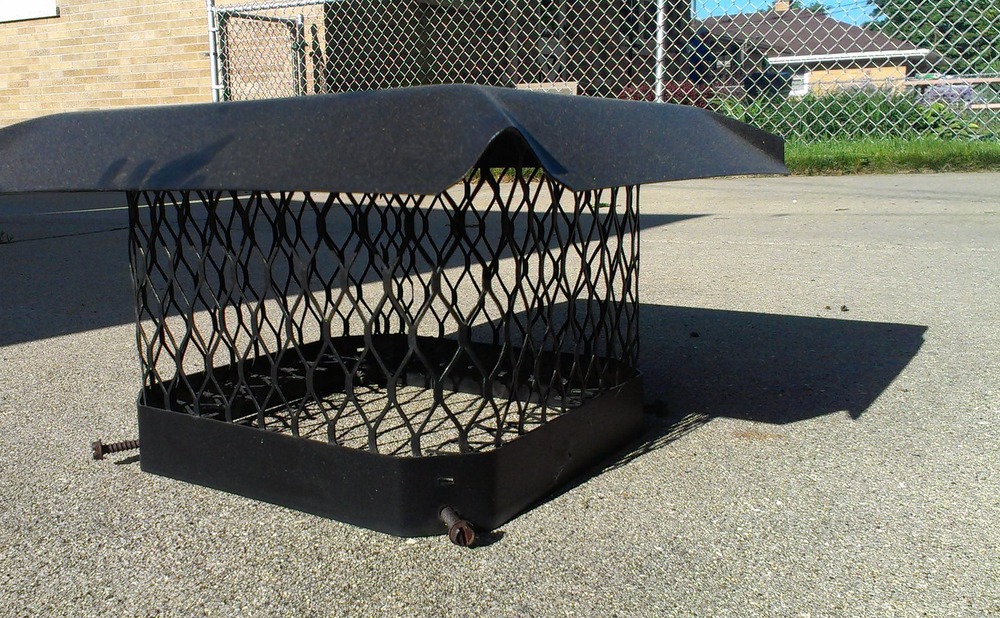
You can check the chimney cap in a minute with a pair of binoculars from the yard. A chimney cap is the small metal roof over the top of the flue. It keeps out rain, snow, leaves and animals. Many caps also include a spark arrestor, a wire mesh screen on the sides that stops hot embers from landing on your roof or lawn.
Look for a cap that sits straight, with no rust holes or torn mesh. A bent cap, or one that blew off in a storm, leaves the flue open to nesting birds and squirrels. If you see any damage, ask your sweep to replace it during the yearly visit.
Look at the Chimney Crown and Flashing From the Ground
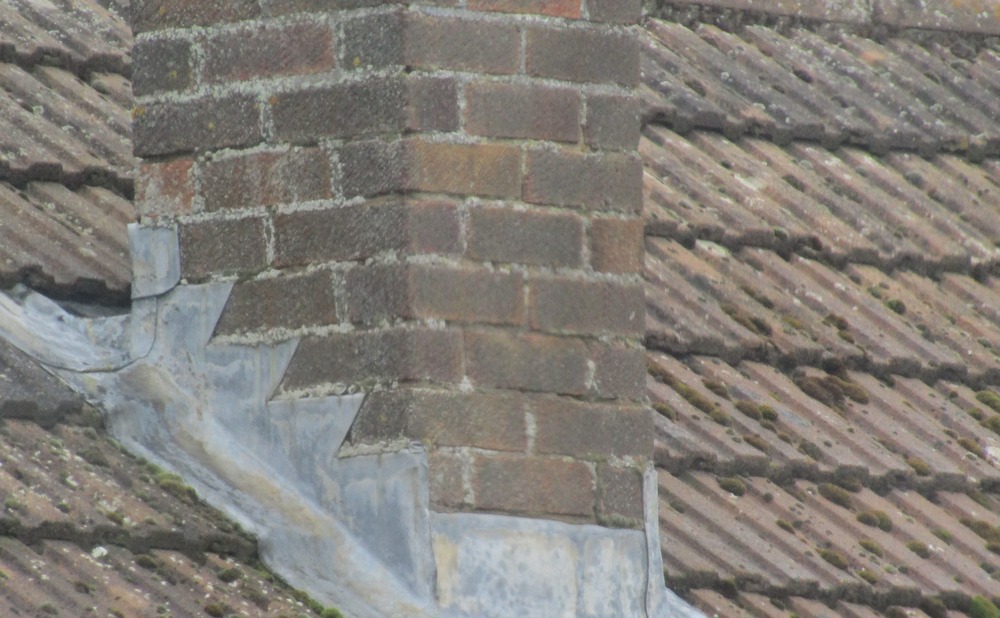
Your chimney crown and flashing both keep water out, and you can check them from the ground. The crown is the concrete slab that covers the top of the masonry around the flue. Flashing is the metal strip, often lead, that seals the joint where the chimney meets the roof, whether the roof is shingle or clay tile. Water that sneaks past either one can crack bricks and rot the framing.
Use binoculars to look for wide cracks in the crown, gaps in the flashing or dark stains on the bricks below. Stay off the roof. For a closer look, follow our DIY roof inspection checklist before calling a roofer, and leave repairs to a pro.
Test the Damper Before You Light a Fire
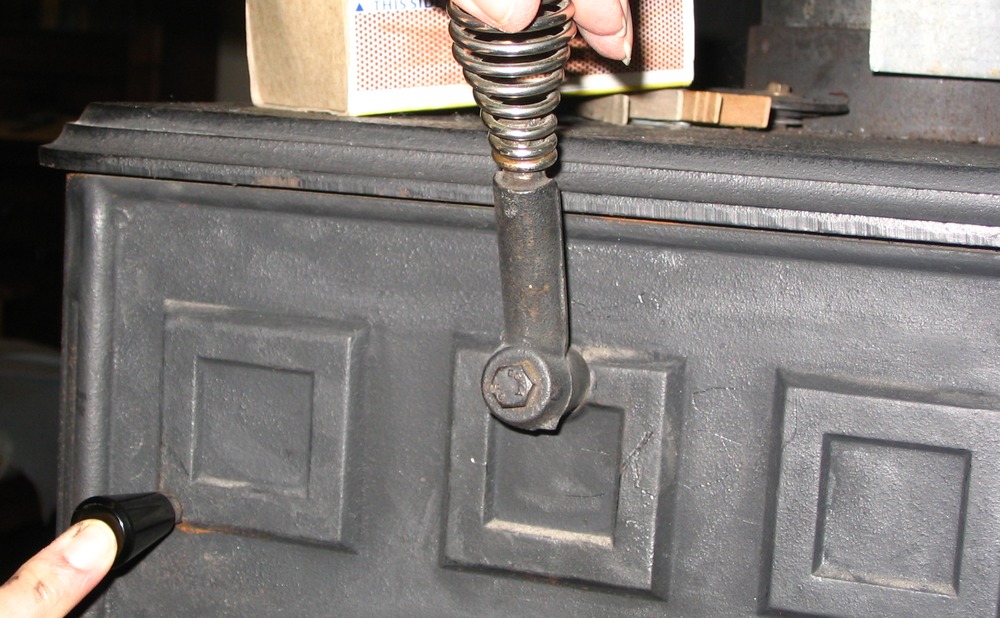
Testing the damper takes one minute and prevents a room full of smoke. A damper is a metal flap that opens to let smoke escape and closes to keep warm air in. On a fireplace it sits in the throat above the firebox, while a wood stove often has a flue damper turned by a handle on the stovepipe. After months shut, either type can stick, rust or warp.
Open and close it a few times. It should move smoothly and stay fully open. Shine a flashlight up past it to make sure no leaves or nests sit on top. A damper that won’t open all the way needs a repair before your first fire. To keep heat in between fires, see our guide on how to stop drafts with weatherstripping.
Inspect the Firebox Before the First Fire
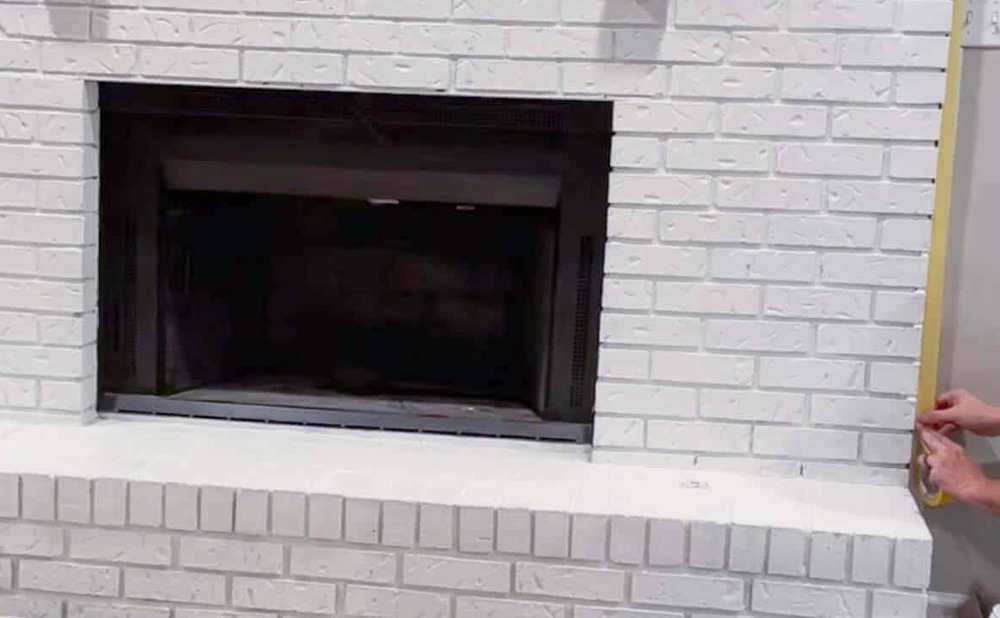
Inspecting the firebox before the first fire is easy because it sits right in front of you. The firebox is the part of the fireplace where the logs burn. It is usually lined with fire brick, a dense brick made to handle high heat, set in heat-resistant mortar.

Use a flashlight to look for cracked bricks, missing chunks and mortar joints that crumble when you press them with a screwdriver. Small gaps let heat reach the wood framing behind the wall, which can start a hidden fire. A mason or sweep can repoint the joints, which means scraping out old mortar and packing in fresh refractory mortar made for fireplaces.
Burn Only Dry, Seasoned Firewood
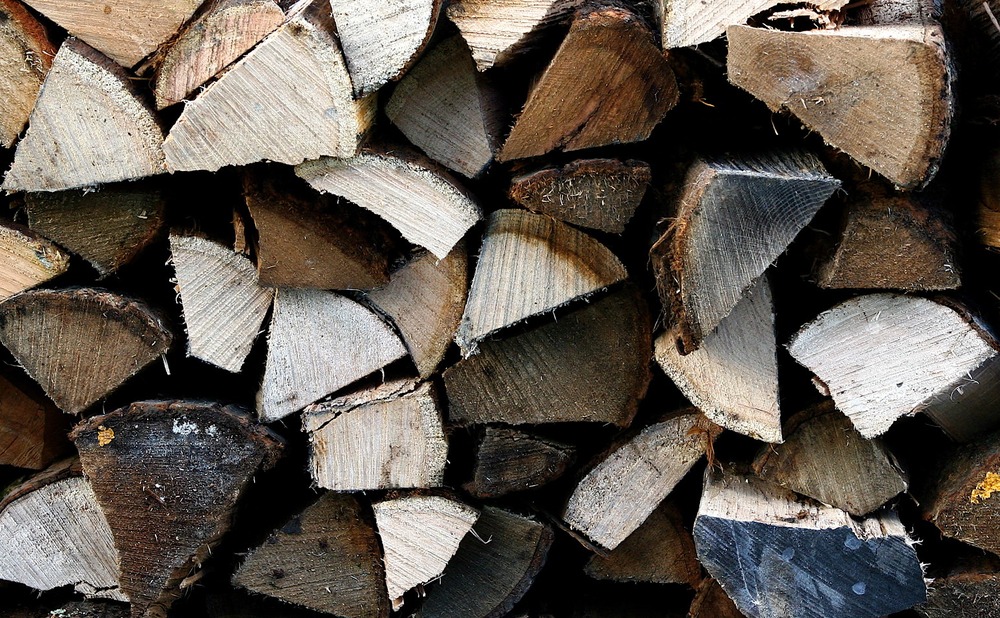
Burning only dry, seasoned firewood is one of the easiest ways to cut creosote. Wet wood smolders, makes extra smoke and coats the flue faster. The EPA Burn Wise program says wood burns best below 20 percent moisture. Season softwood for at least 6 months and hardwood for at least 12 months.
A wood moisture meter is a small, handy tool that gives you a quick reading. Split a log and press the pins into the fresh face for the most honest result. Seasoned wood also feels lighter, looks darker and makes a hollow knock when you tap two pieces together. Never burn trash, treated lumber or painted scraps.
Stack Firewood Away From the House
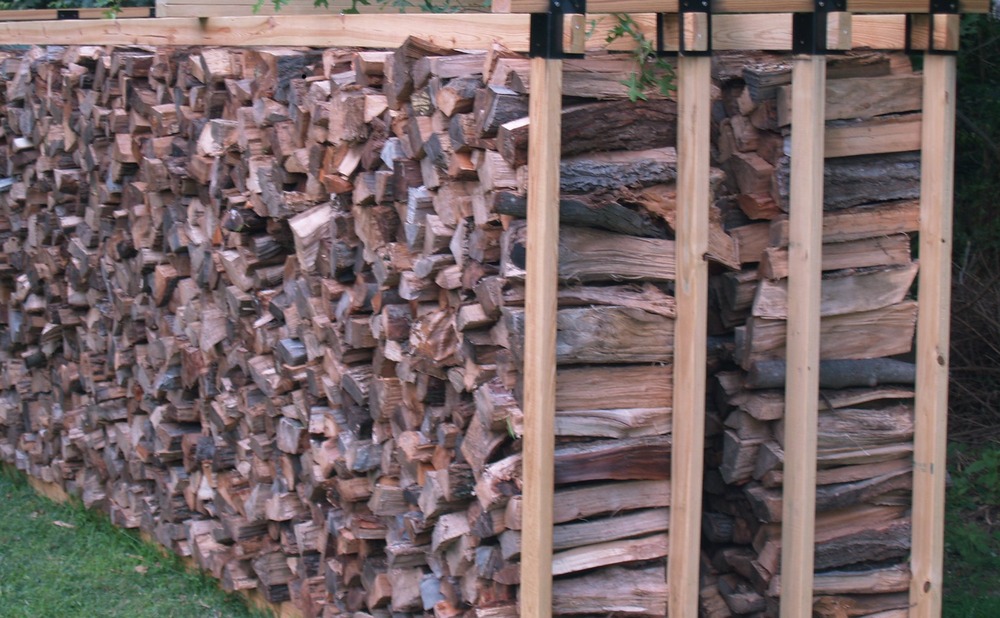
Stacking firewood away from the house keeps pests and fire risk at a distance. A woodpile against the siding invites termites, carpenter ants and mice right up to your walls. In wildfire areas, the NFPA Firewise USA program suggests moving firewood piles at least 30 feet from your home.
Build the stack on a rack or a row of pallets so air can move underneath. Cover only the top and leave the sides open so the wood keeps drying. Bring in just a day or two of logs at a time, and keep them at least 3 feet from the fireplace opening.
Use a Fireplace Screen or Glass Doors
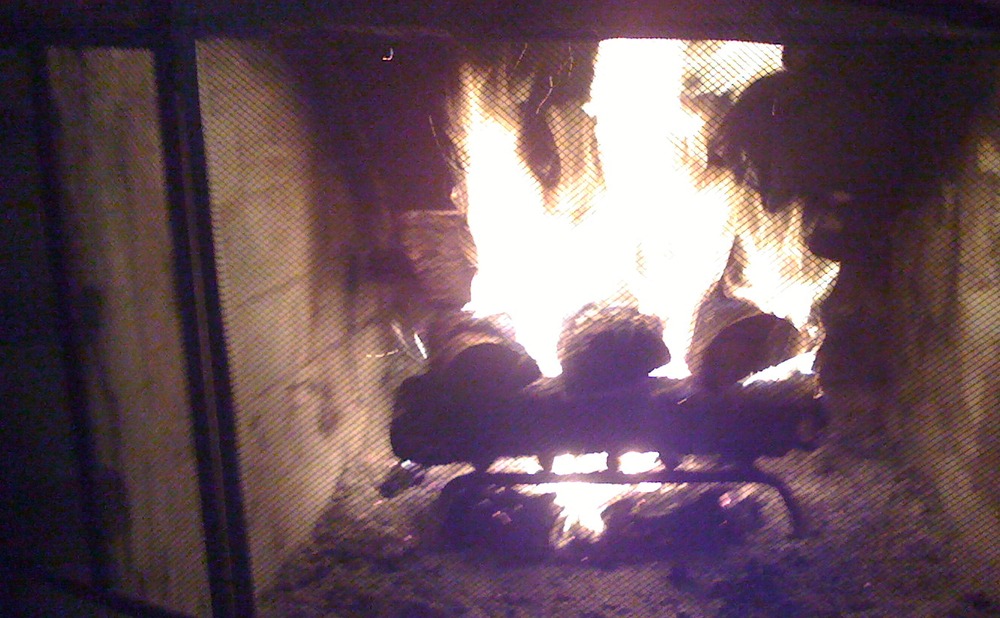
A fireplace screen or glass doors stop sparks before they reach your rug or sofa. Logs pop as trapped moisture turns to steam, and a single ember can smolder in carpet before anyone notices. The US Fire Administration recommends keeping a glass or metal screen in front of the fireplace.
Choose a sturdy screen that covers the whole opening with no gaps at the sides. Keep anything that can burn, such as blankets, books and holiday decor, at least 3 feet away. If you dress up the room for the season, browse our mantel decor ideas for every season and keep greens and candles clear of the firebox.
Check Your Smoke and CO Detectors
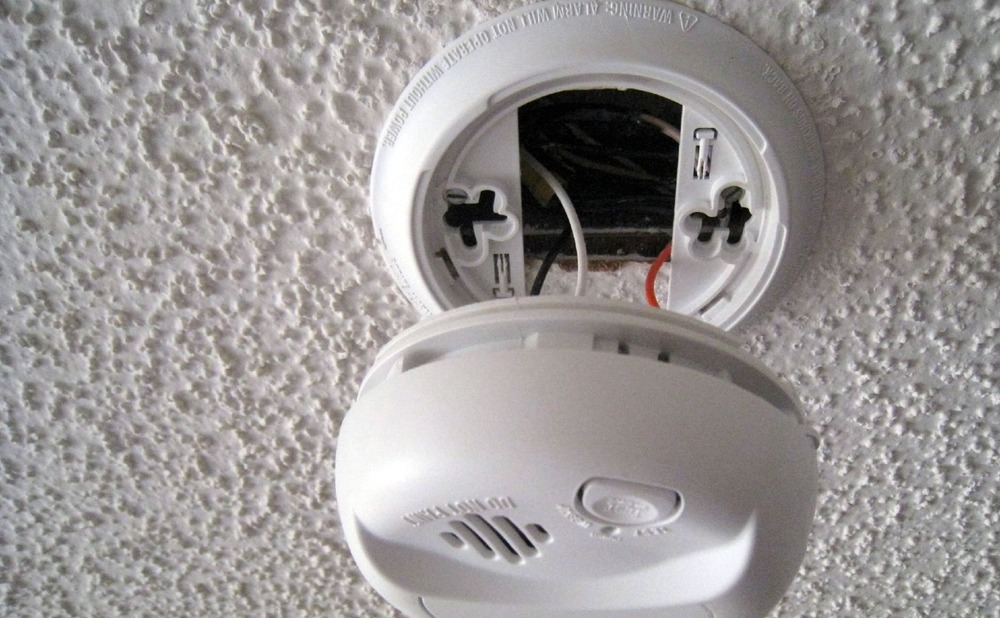
Test your smoke and carbon monoxide detectors before every heating season and once a month after that. Carbon monoxide (CO) is a gas you can’t see or smell, and a blocked flue can push it back into your home. The US Fire Administration advises testing CO alarms at least once a month.
Open each unit to check the battery, then press the test button and listen for a loud beep. Make sure you have a smoke alarm on every level, outside each sleeping area and inside each bedroom, plus CO alarms near the bedrooms. Replace batteries as needed, and swap out any smoke alarm that is 10 years old.
Dispose of Ashes in a Metal Bucket
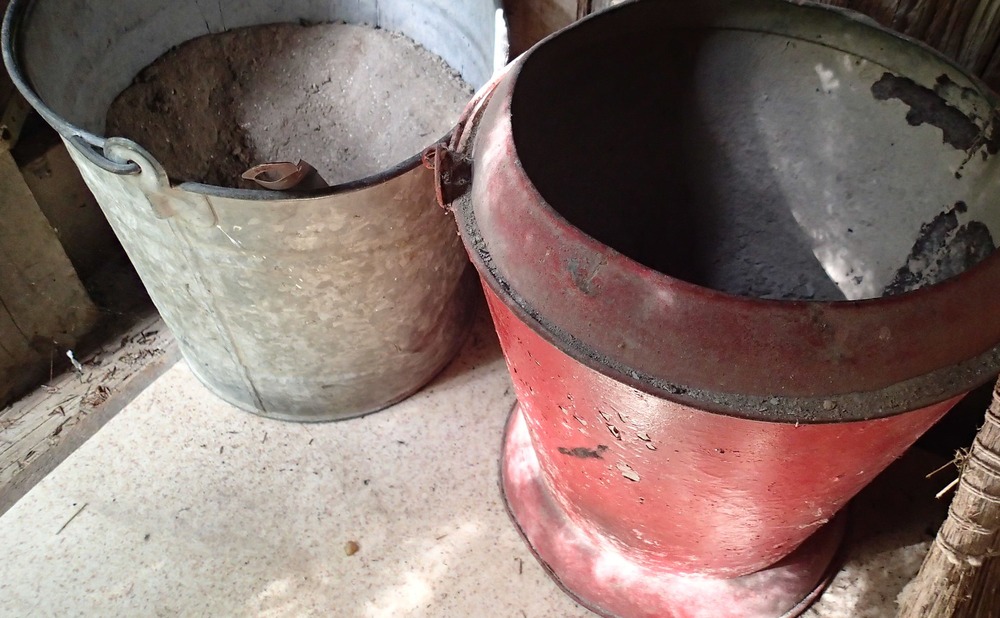
Disposing of ashes in a metal bucket protects your home long after the fire seems out. Ashes can hold hot embers for days. The US Fire Administration recommends letting ashes cool, placing them in a metal container with a tight lid and keeping it outside at least 10 feet from your home and other buildings.
Never use a paper bag, cardboard box or plastic bin, and never set the bucket on a wood deck or next to the woodpile. Scoop ashes with a metal shovel, not a vacuum. Choose a bucket with a tight lid if you can, and pour a little water over the ashes before you close it.
What Are the Warning Signs of a Chimney Fire?
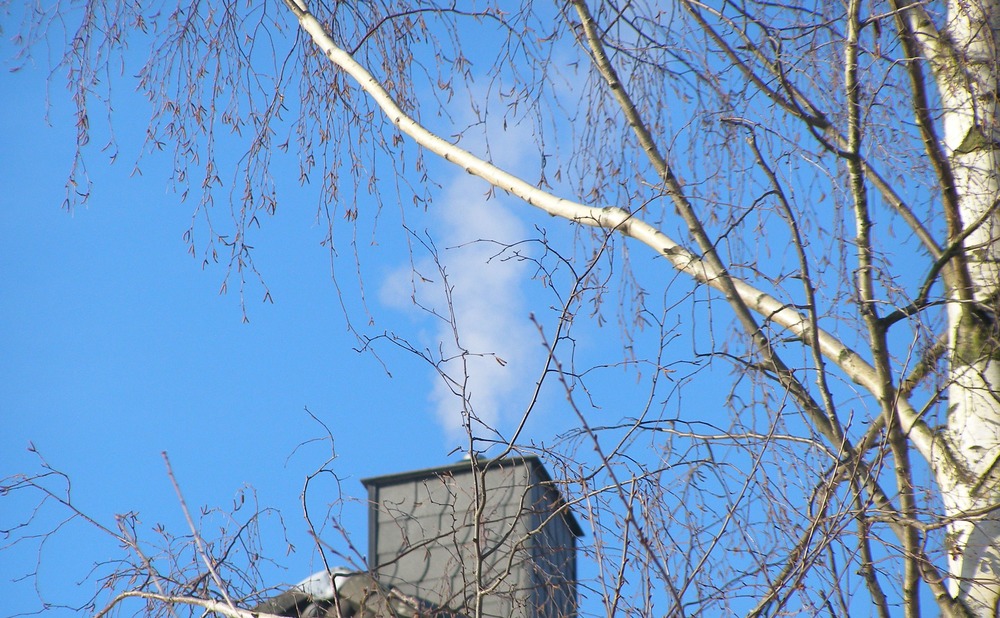
Thin white smoke drifting from a chimney is normal when a fire burns well. The warning signs of a chimney fire are loud cracking and popping, a lot of dense smoke and an intense, hot smell, according to the CSIA. Some homeowners also hear a low rumble like a freight train or see flames shooting from the top of the chimney. If you notice any of these, get everyone out and call 911 from outside.
Many chimney fires burn quietly and go unnoticed, so the damage may show up later. Warped damper metal, cracked flue tiles and creosote flakes on the roof or ground all point to a past fire. Have a certified sweep check the chimney before you light another one.
A safe fire season starts with chimney cleaning, a yearly inspection and a few simple habits at the hearth. Work through these 12 checks before the first cold night, and you can relax by the fire knowing your home and family are protected.
Amazing Builder Partners