
A small bathroom does not need a six-figure gut to feel calmer and more usable. Thoughtful paint, lighting, storage, and a few layout tweaks can stretch a tight footprint without tearing out every wall.

This guide focuses on budget-minded remodel and DIY updates that improve function, durability, and daily comfort. Think clear floor, brighter light, and smarter storage, not a décor gallery of luxury finishes.
Work through the ideas that match your walls, plumbing, and skill level. Start with low-risk weekends, then decide where a pro earns their fee.
Visual Tricks That Stretch the Room
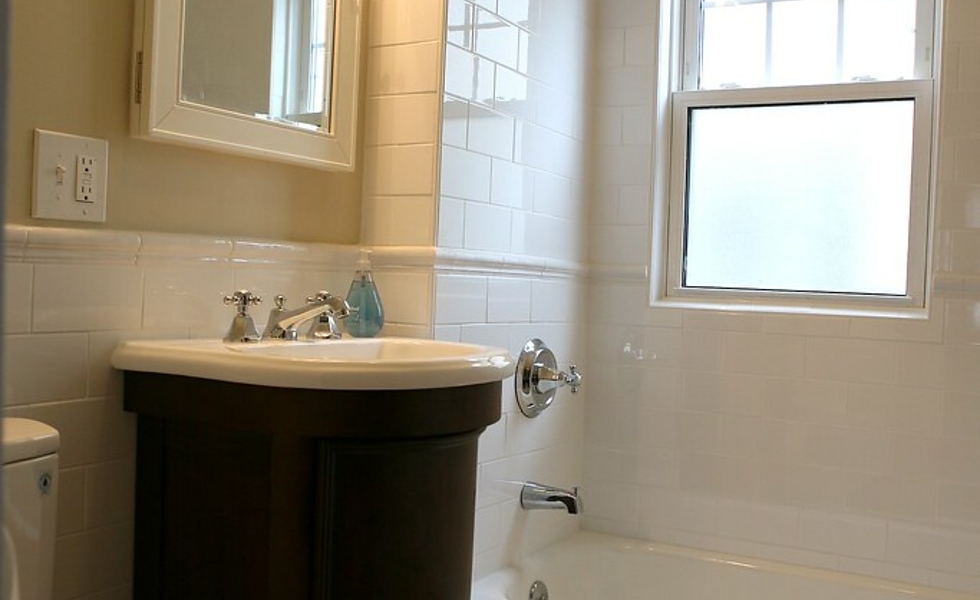
Paint, light, and sightlines do more for a cramped bathroom than most people expect. Soft, continuous color on walls and ceiling reduces visual breaks, while a pale, low-contrast palette keeps edges from crowding the room. Skip busy borders and heavy wallpaper patterns that chop the space into smaller pieces.
Keep floor and wall finishes related in tone so the eye travels farther without stopping. A single continuous floor color into the shower, when code and waterproofing allow, can make a five-by-seven feel less boxed in. These are budget moves: mostly paint, careful caulking, and editing clutter that steals square footage from your field of view.
Layout Tweaks That Free Up Floor Space
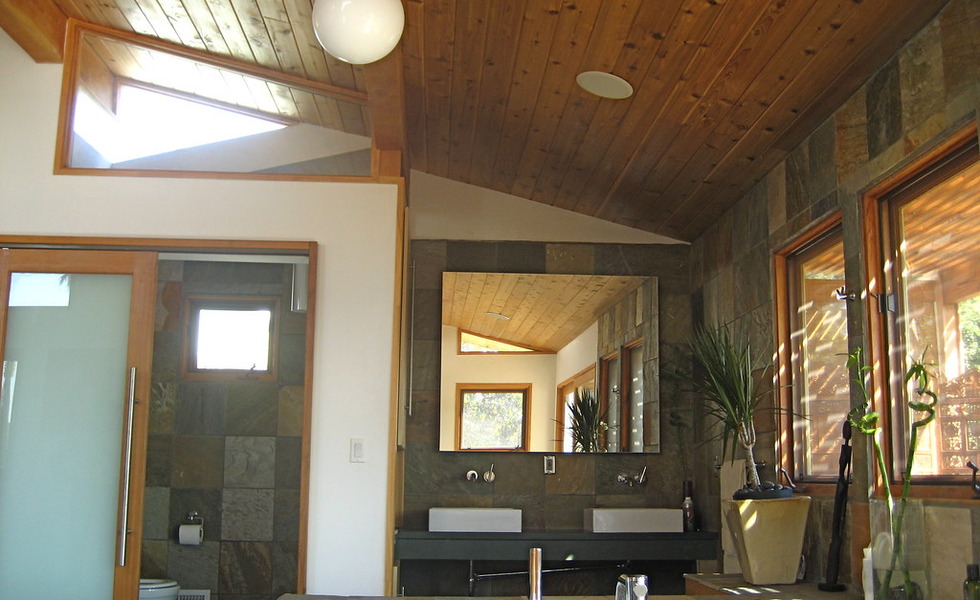
In a very small bath, every inch of clear floor matters more than fancy finishes. Swapping a swinging door for a pocket or barn-style door can reclaim the arc that always blocked a vanity or toilet. Shifting the vanity a few inches, or choosing a wall-hung toilet where plumbing allows, opens a walk path that feels twice as generous.
Before you move drains, map the existing wet wall and ask a plumber what is cheap versus a full re-pipe. Many wins come from fixture choice and door swing, not from gutting the floor. Sketch the clearances you need for dressing and cleaning, then protect those zones first.
Vanities and Storage That Fit Tight Baths
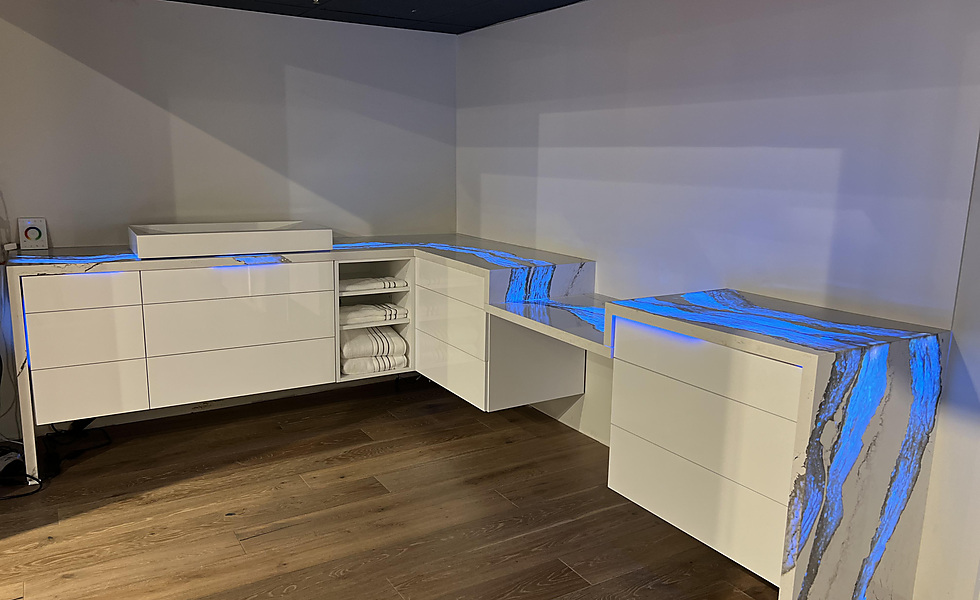
A bulky cabinet with deep doors can make a small bath feel like a closet with a sink. Slim, wall-hung vanities free floor for a mop and a visual line that continues under the cabinet. Pair them with shallow drawers, not deep shelves that hide half-used bottles in the back.
Go vertical with recessed medicine cabinets, over-toilet cabinets, and narrow open shelves above the towel bar so countertops stay clear. Corral daily items in trays so surfaces stay usable. Storage that earns its footprint, and hides the rest, does more for comfort than another decorative basket.
Shower Versus Tub in a Compact Remodel
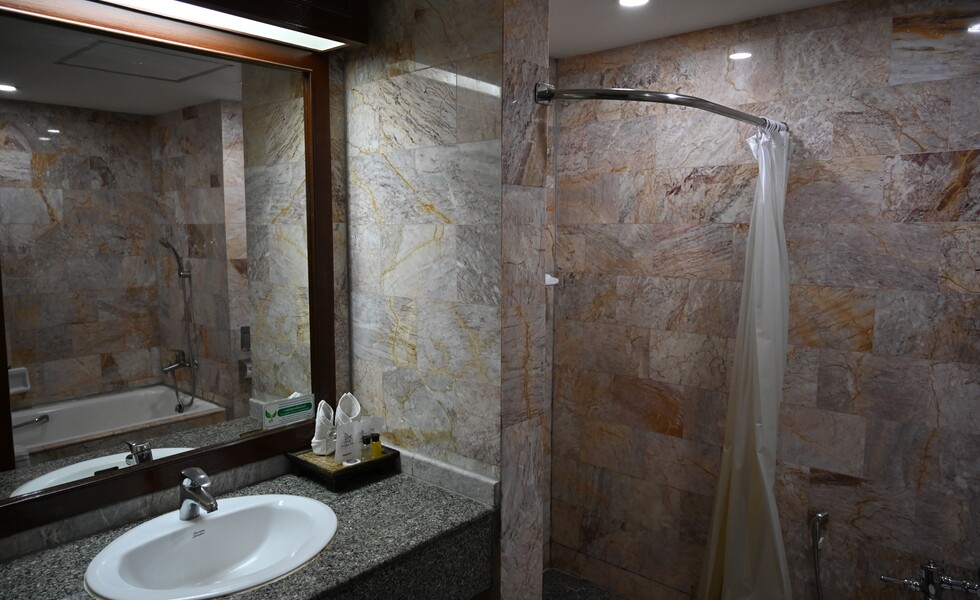
Choosing between a tub and a walk-in shower is the biggest layout decision in a small remodel. A tub eats length and often forces a cramped dry zone. A well-planned shower can reclaim floor and make daily use easier. If you rarely bathe and need accessibility or easier cleaning, a curb-low shower with a glass panel usually wins on function.
Keep one tub in the house if you have young kids or resale concerns in your market, and convert the powder or guest bath to shower-only. Waterproofing, slope, and glass quality matter more than tile drama. Price both paths with a contractor before you fall in love with a look.
Mirrors and Lighting That Expand the Room
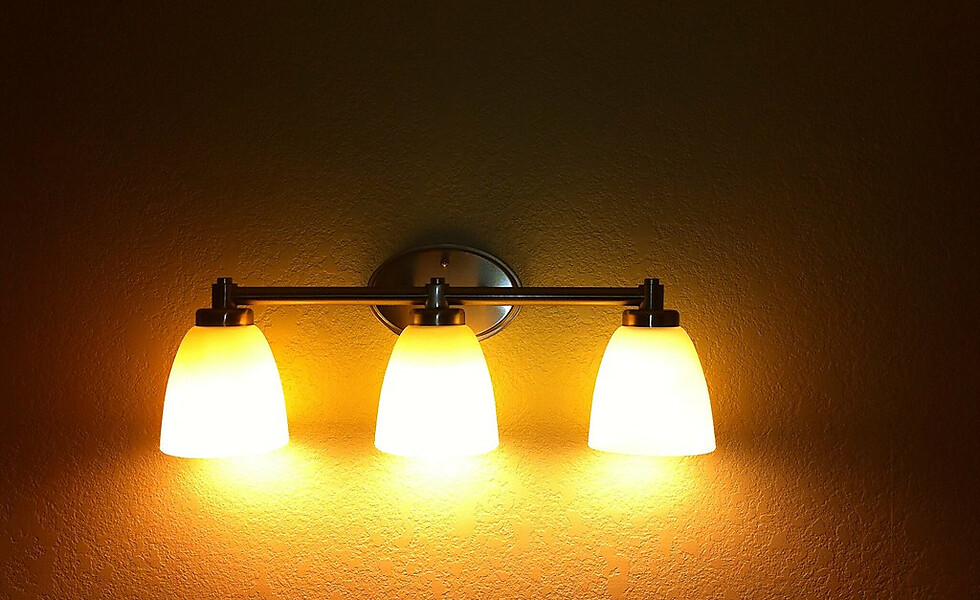
A large mirror opposite or adjacent to the main light source bounces brightness deep into the room and softens dark corners. Go wider than the vanity when the wall allows, and avoid tiny decorative mirrors that leave dead zones. Side sconces at face height reduce shadows better than a single overhead that flattens everything.
Layer a soft ambient fixture with task lighting so the room feels even, not harsh. Warm-white LEDs in the 2700K to 3000K range keep skin tones natural and the space welcoming. Good light costs less than moving walls and often delivers the biggest feel-bigger payoff.
Tile and Color Shortcuts That Read Bigger
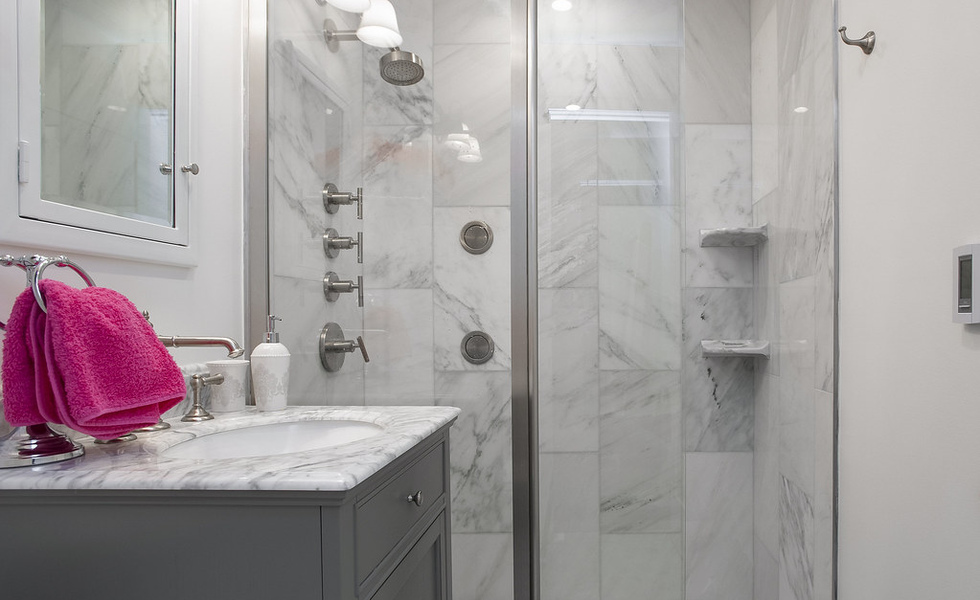
Large-format tile with fewer grout lines can calm a small bath, while busy mosaics everywhere make surfaces look chopped. Use similar tones on floor and lower walls, then reserve contrast for a single niche or a vertical stripe that draws the eye up. Light grout that matches the tile reduces the checkerboard effect that shrinks a room.

Paint remaining walls a soft neutral and keep the ceiling at least as light as the walls. If full retiling is out of budget, a quality tub surround kit or carefully installed large panels can refresh wet areas without a luxury gut. Color continuity beats trend-chasing patterns in tight quarters.
Budget Fixture Swaps With Outsized Impact
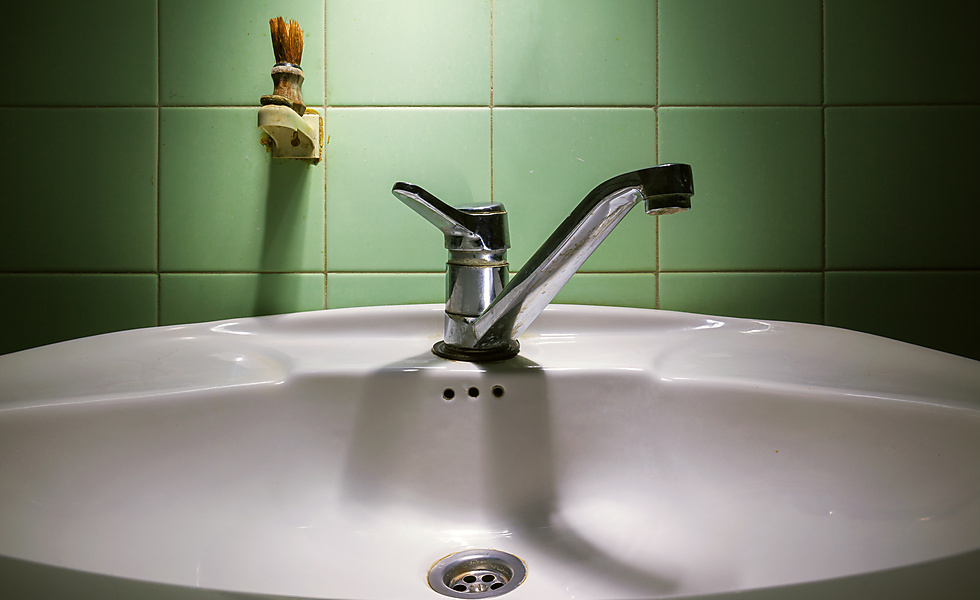
New faucets, a modern shower trim, and an updated toilet seat or elongated bowl can refresh the room without opening walls. Match metal finishes across towel bars, hooks, and the faucet so the bath feels intentional. A quiet-close toilet seat and a better showerhead improve daily comfort for modest money.
Prioritize water-efficient, easy-to-clean pieces over decorative ones that trap soap film. If valves are old and leaky, factor valve replacement into the budget before you buy pretty trim. Small fixture upgrades plus fresh caulk and paint often beat a half-finished luxury package.
Renter-Friendly Updates That Still Feel Settled

Renters can brighten a bath with peel-and-stick backsplash panels designed for moisture-prone areas, removable hooks, and a freestanding storage tower that leaves with you. Swap the shower curtain and liner, add a large leaning or over-door mirror if allowed, and upgrade bulbs in existing fixtures. Always get written approval before anything that touches plumbing or tile.
Choose products marketed for temporary use and keep original hardware in a labeled bag. Stick to non-damaging adhesives and avoid silicone that bonds forever to landlord finishes. These moves will not remodel the footprint, but they clean up function and light until you own the walls.
When DIY Saves Money and When to Hire
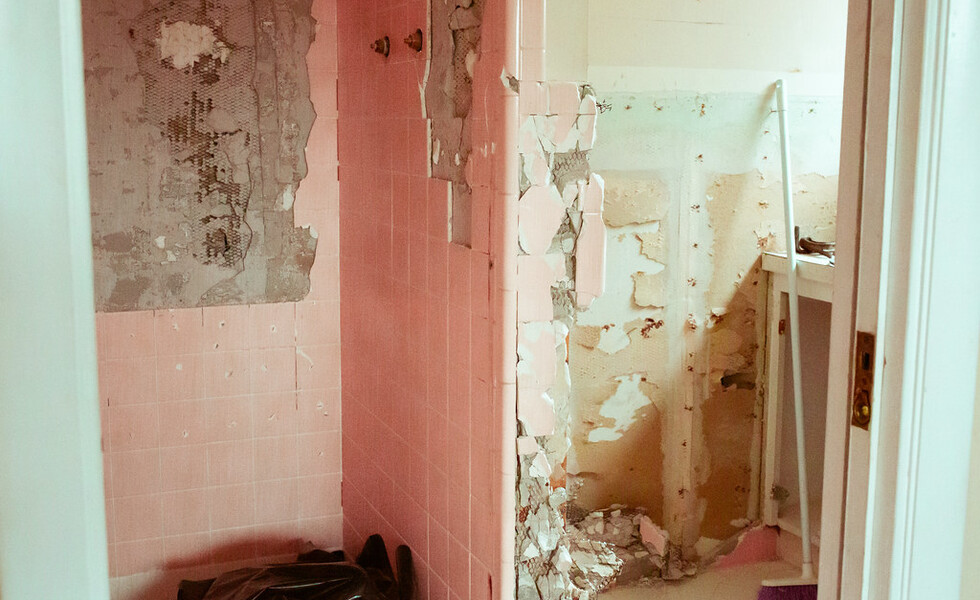
Painting, swapping a faucet on accessible shutoffs, hanging mirrors, and installing accessories are fair DIY for careful beginners. Waterproofing a shower, moving drains, electrical for new lights, and glass install are where mistakes get expensive fast. Know your cutoff: if a failure means mold, leaks into the floor below, or code issues, budget for a licensed pro.
Get written scopes for demo, waterproofing, and fixture rough-in so change orders do not eat your savings. DIY the finish layer after the wet work is signed off. That split keeps cost down without gambling the structure of the house.
Common Remodel Mistakes to Avoid
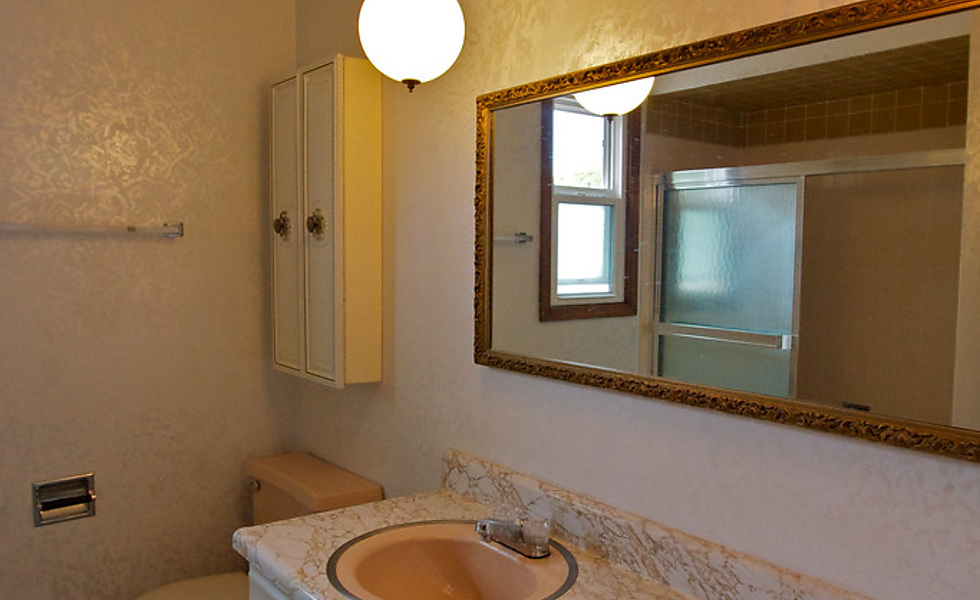
Overloading the room with niches, shelves, and dark accent walls can erase the open feel you paid for. Undersized exhaust fans leave moisture that ruins paint and caulk within a year. Skipping a proper shower pan or membrane to save a weekend is the classic expensive lesson.
Also avoid doors that hit fixtures, vanities that block the toilet approach, and tile choices that need constant sealing. Plan storage and ventilation as carefully as finishes. A smaller scope done right beats a crowded luxury look that fails on day-to-day use.
Layout Before-and-After Wins Worth Copying
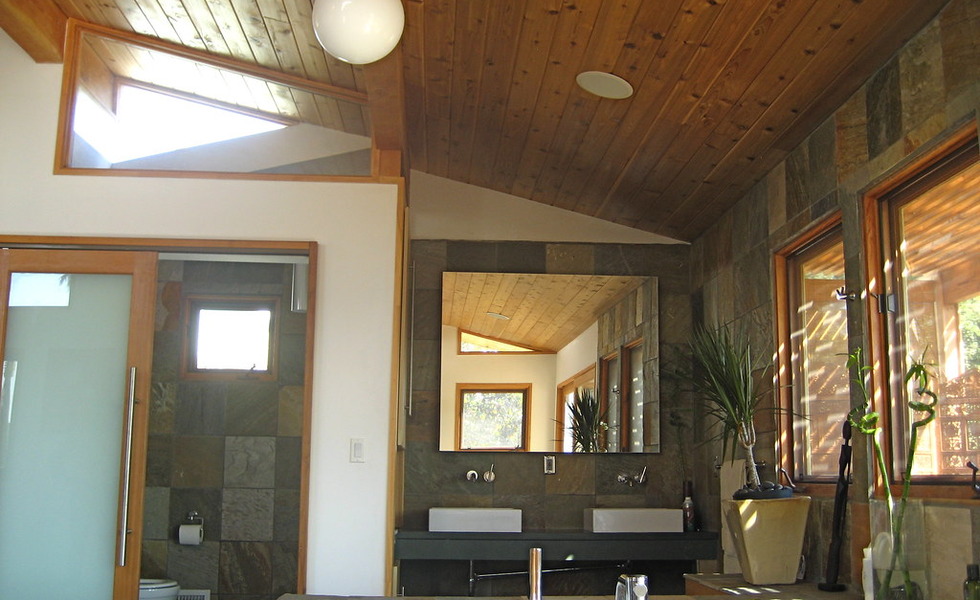
Some of the best transformations keep the same plumbing wall and only change how people move through the room. Examples include flipping a vanity to free the door swing, replacing a tub with a shower to create a dressing spot, or combining a pocket door with a floating vanity. Study clearances, not just pretty photos.
Measure your own chokepoints: where towels drop, where the door hits a knee, where cleaning is impossible. Sketch one before and one after plan on graph paper before buying tile. Layout clarity is cheaper than decorative upgrades that leave the same traffic jam.
Weekend Projects Worth Doing First
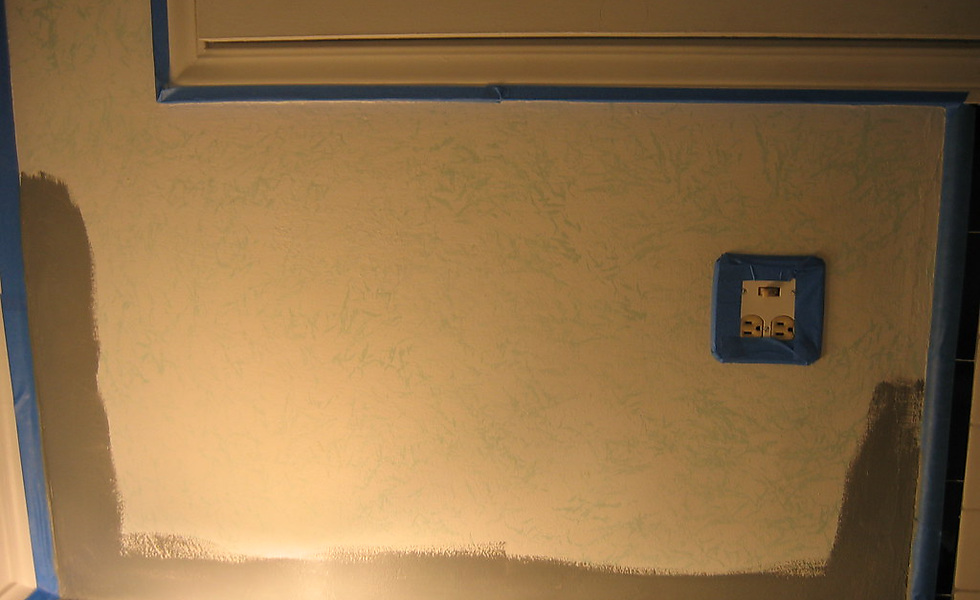
Start with a deep clean, fresh white or soft paint, new caulk, a brighter LED set, and a decluttered vanity top. Replace a stained shower curtain, add a large mirror, and install simple wall hooks so towels leave the floor. These weekend tasks cost little and show you how the room behaves before you commit to demo.
If the space already feels calmer, your later remodel can stay leaner. If moisture stains or soft subfloors appear during prep, pause and fix the envelope first. Early wins build momentum and protect the budget for the moves that truly add function.
Amazing Builder Partners