

Snow shoveling looks like a simple chore, but it can leave you sore for days and put real strain on your heart. Learning how to shovel snow safely protects your back, your heart and your weekend.

The National Safety Council says snow shoveling causes thousands of injuries each year. Many happen when people lift too much, twist, or work too hard after months of little activity. The 12 snow shoveling tips below help you clear the driveway faster, with less effort and less risk.
Choose an Ergonomic Snow Shovel
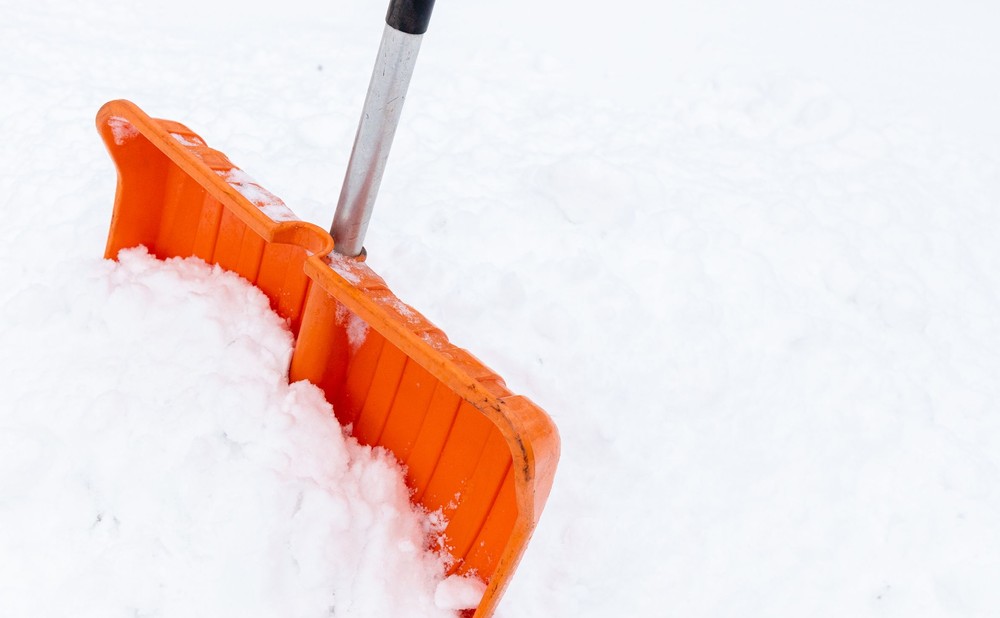
Choose an ergonomic snow shovel with a bent or curved shaft and a lightweight blade. The bend lets you stand more upright, so your back does less work on every scoop.
A plastic or aluminum blade weighs less than steel and won’t rust. Pick a handle that reaches about chest height when the blade is on the ground. Many homeowners keep two shovels: a wide pusher for open stretches of driveway and a smaller scoop for heavy, wet snow.
Warm Up Before You Start
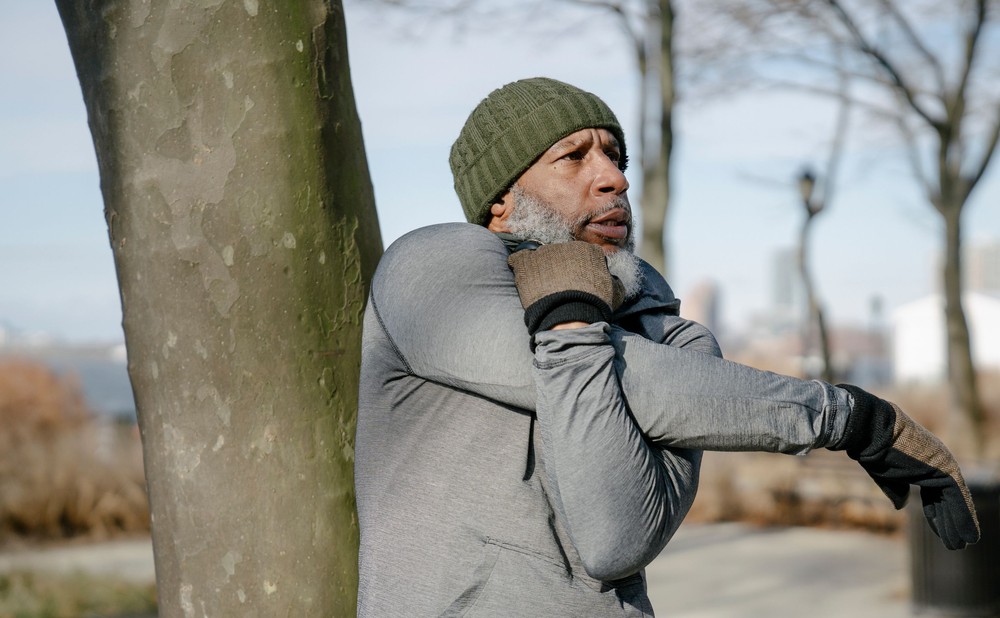
Warm up before you start, just as you would before a workout. The National Safety Council advises taking it slow and stretching before you begin, since cold muscles strain more easily.
March in place, roll your shoulders and do a few gentle squats and side bends for five to ten minutes. Skip shoveling right after a big meal or while smoking, which the NSC also warns against. Drink some water, because you can get dehydrated in cold air, too.
Shovel Early and Often, Before Snow Packs Down
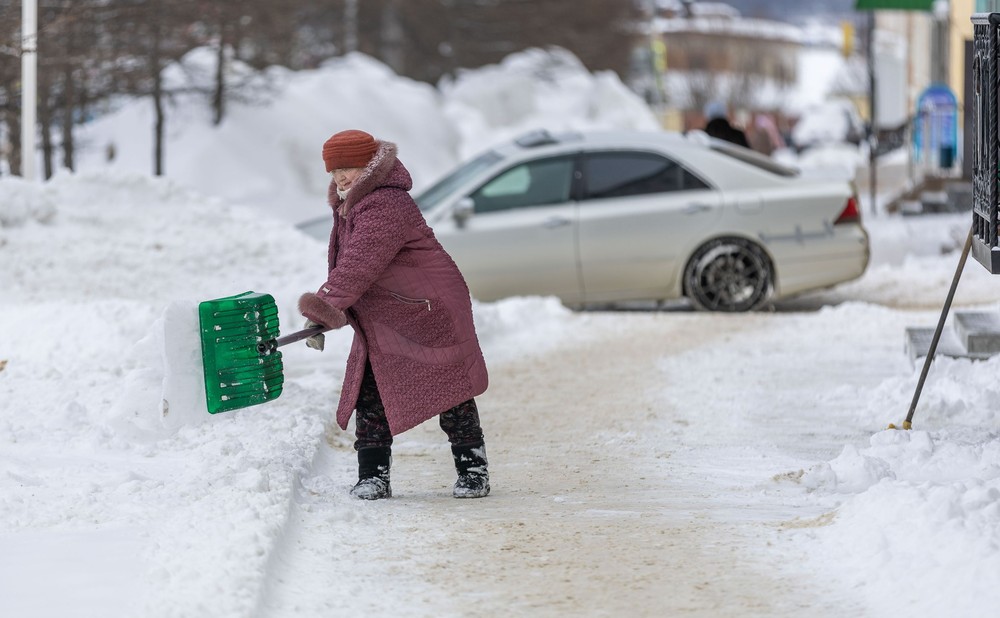
Shovel early and often, before snow packs down. Fresh, powdery snow is much lighter than snow that has been driven on, walked on or soaked by rain.
During a long storm, clear a few inches at a time instead of waiting for the full total. Each pass takes less effort and lowers the strain on your body. It also keeps ice from forming under the snow, which makes your walkway safer for family and guests.
Push Snow Instead of Lifting It
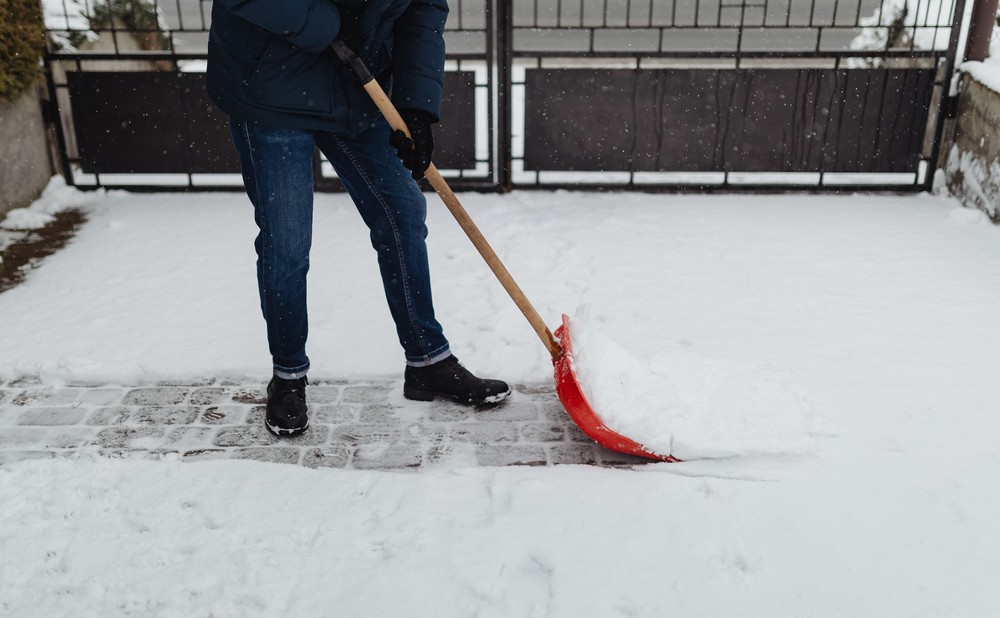
Push snow instead of lifting it whenever you can. Both the National Safety Council and the American Heart Association recommend pushing or sweeping snow rather than lifting and throwing it.
Run the blade along the pavement in long, straight passes, then tip the snow off at the edge. Start in the middle and push toward each side, so you never carry snow far. A wide pusher blade makes this method much faster on long, flat driveways.
Lift With Your Legs and Keep Loads Small
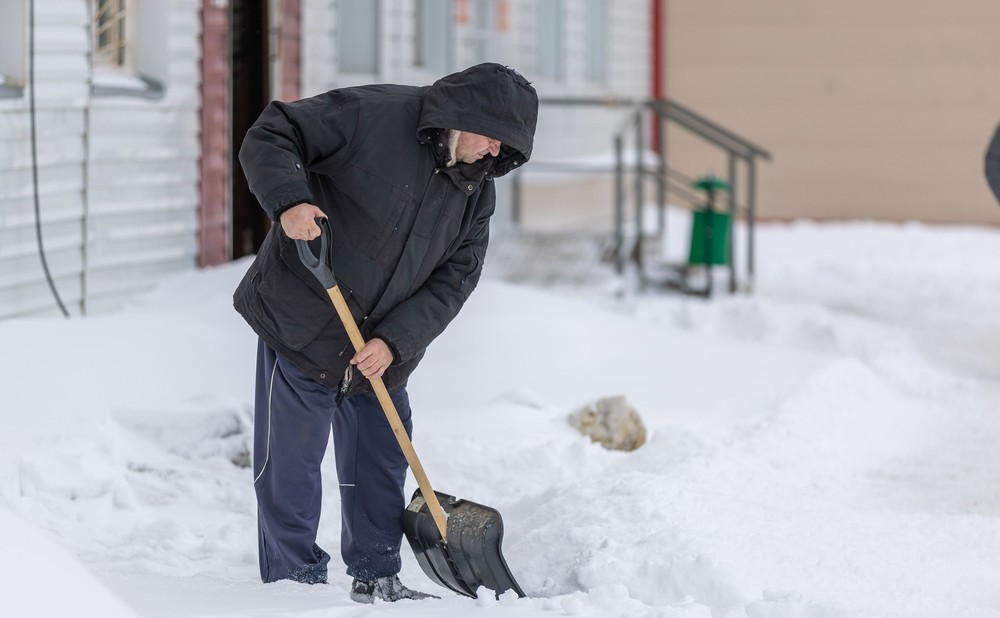
Lift with your legs and keep loads small when you have to lift. Bend your knees, keep your back straight and hold the shovel close to your body.
The NSC suggests using a smaller shovel or only partly filling a large one. Wet snow can weigh far more than you expect, so a half scoop is often plenty. Put one hand low on the shaft for leverage and walk the snow to where it goes instead of reaching.
Never Twist or Throw Snow Over Your Shoulder
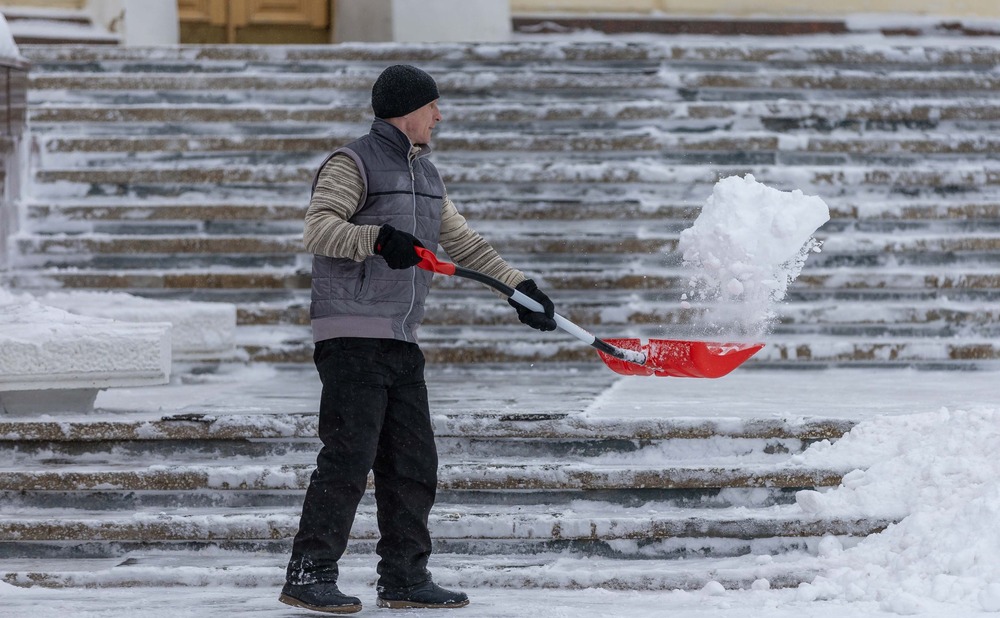
Never twist or throw snow over your shoulder. That fast twisting move is a common way to hurt your lower back while shoveling.
Instead, turn your whole body with your feet so your hips and shoulders face the spot where you want the snow. Then lower the shovel and tip it out. It feels slower at first, but it saves you from days of back pain and lost time.
Is Shoveling Snow Hard on Your Heart?
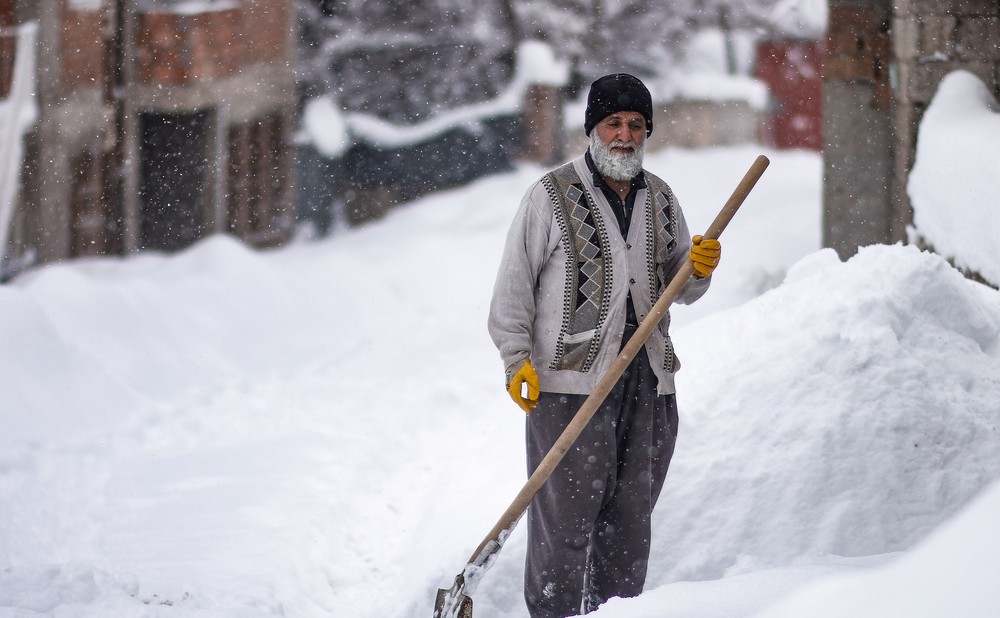
Yes, shoveling snow can be hard on your heart, especially if you aren’t active the rest of the year. The American Heart Association reports that heavy shoveling can be as demanding as a treadmill stress test, and cold air raises blood pressure.
Take breaks every few minutes, and stop right away for chest pain, lightheadedness or an irregular heartbeat. Call 911 if those signs appear. If you have heart disease or major risk factors, talk to your doctor and ask someone else to clear the snow.
Dress in Layers and Wear Boots With Good Traction
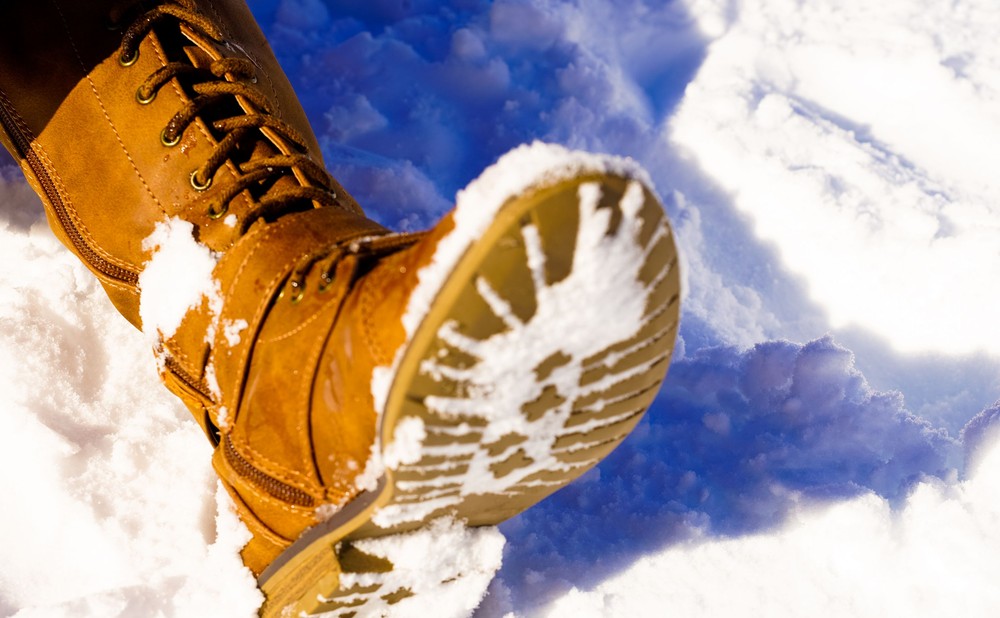
Dress in layers and wear boots with good traction so you stay warm and steady. Start with a moisture-wicking base, add a warm middle layer and finish with a water-resistant jacket.
Shed a layer as you warm up to avoid overheating. Boots with deep tread help you avoid slips, which cause many winter injuries. Add a hat, gloves and a scarf, and consider ice cleats if your driveway slopes or freezes often.
Coat the Shovel Blade So Snow Slides Off
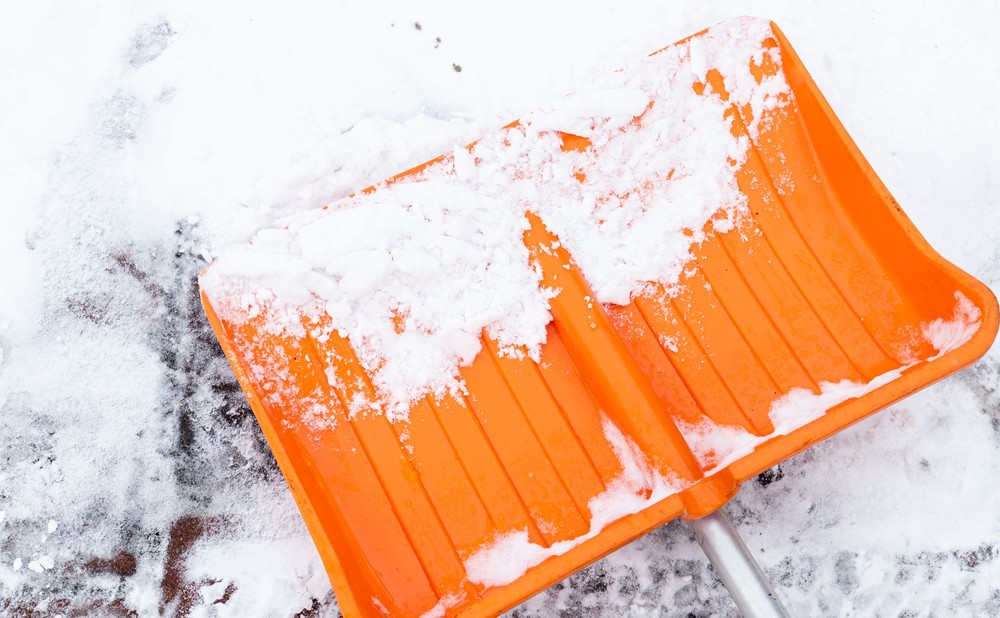
Coat the shovel blade so snow slides off instead of sticking. A light coat of cooking spray or silicone spray on a clean, dry blade keeps wet snow from clumping.
Sticky snow adds weight to every scoop and makes you bang the shovel to empty it. Reapply the coating after an hour or two of work. Wipe the blade dry when you finish so it’s ready for the next storm.
How to Shovel Snow on a Gravel Driveway
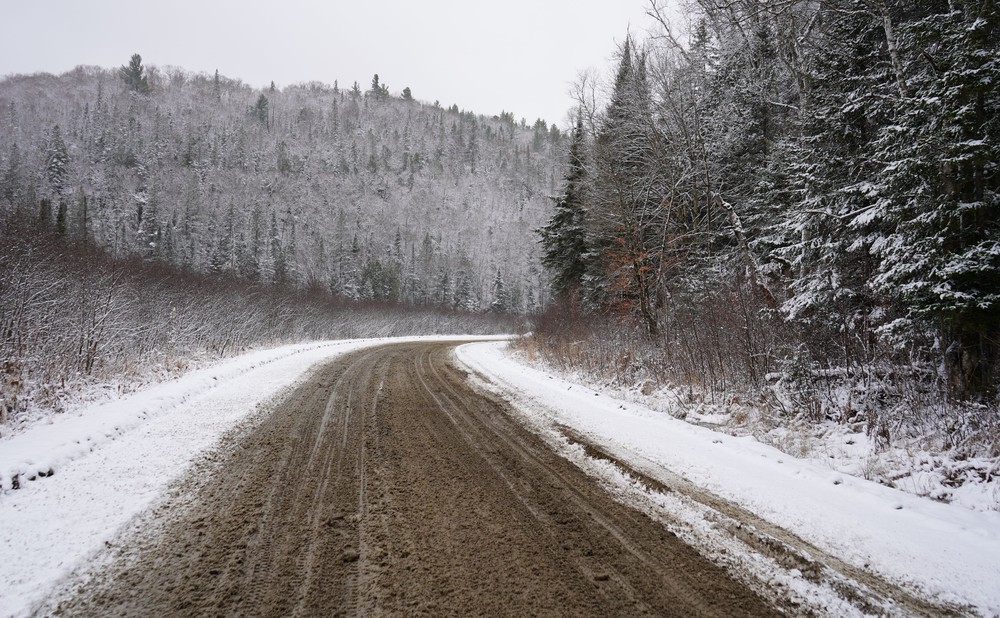
To shovel snow on a gravel driveway, leave a thin layer of snow on the ground so you don’t scrape up the stones. Raise the blade about an inch, or use a shovel with a rounded or plastic edge.
Push the snow off to the sides rather than digging down. If you use a snow blower, raise the skid shoes so it won’t throw gravel. In spring, rake any stones back from the lawn edges onto the drive.
Clear Furnace, Dryer and Meter Vents After Every Storm
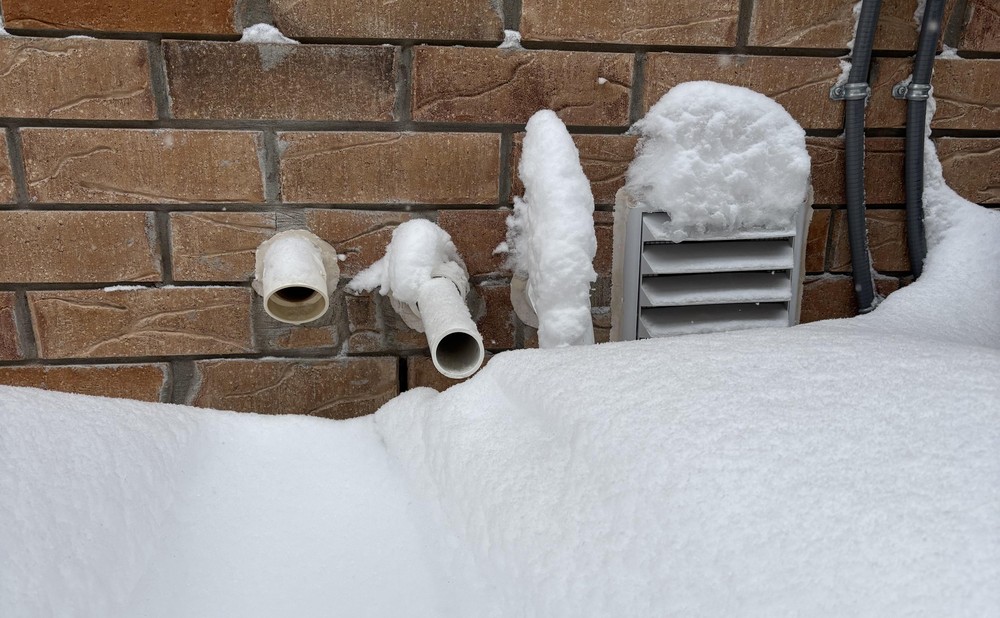
Clear furnace, dryer and meter vents after every storm. Snow can block high-efficiency furnace pipes and dryer vents, which can shut down equipment or push carbon monoxide back inside.
Brush snow off gas meters gently by hand rather than hitting them with a shovel. Check that your roof drains and downspouts are clear, too, as covered in how to clean gutters safely. For more on vents, see our furnace maintenance checklist.
Use Ice Melt Safely Around Concrete, Pets and Plants
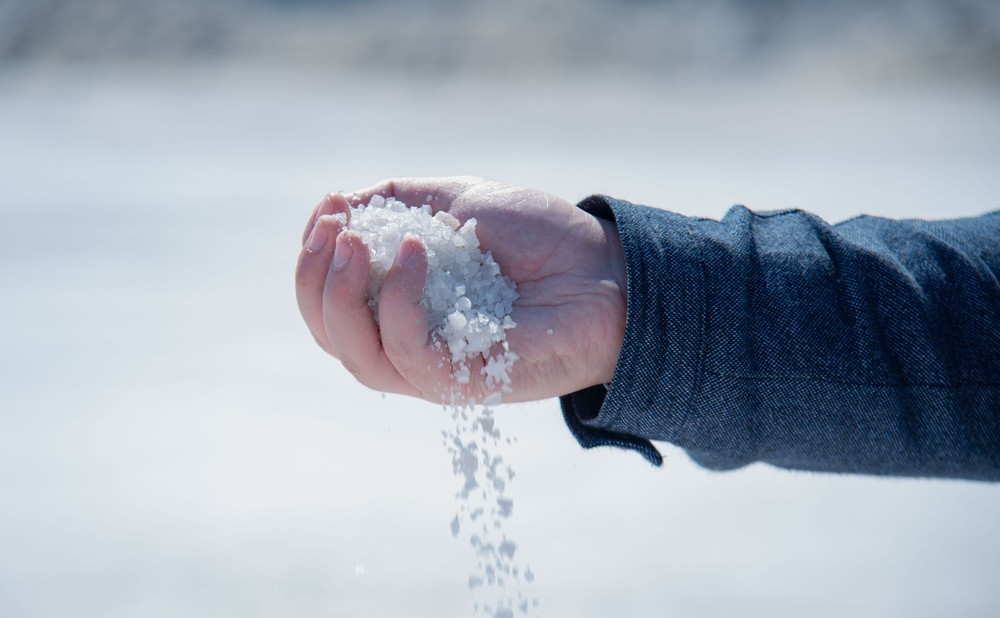
Use ice melt safely around concrete, pets and plants by spreading it thinly after you shovel. Read the label, since some salts can damage new concrete and harm grass, shrubs and paws.
Products labeled pet-safe or plant-friendly are gentler choices near lawns and walkways. Sweep up extra pellets once the ice melts so they don’t get tracked inside. Sand or kitty litter adds grip without melting. Store your shovel and spreader with the other tools you can’t live without.
Snow shoveling doesn’t have to hurt. Warm up, push instead of lift, take breaks and know the warning signs, and you’ll clear the driveway safely all winter. Start with the right shovel and a slower pace, and your back and heart will thank you.
Amazing Builder Partners