

Gutter cleaning is one of the simplest ways to protect your roof, siding and foundation before cold weather sets in. When leaves and grit pack the gutters, rain spills over the edge. That water soaks the fascia board, stains the siding and pools next to the house.

Winter makes the problem worse. Water that cannot drain freezes in place, adds weight to the gutters and can help ice dams form along the roof edge. A clogged downspout can also send melting snow straight toward your basement walls.
The good news is that most homeowners can clean gutters safely in an afternoon. These 12 steps cover when to do it, how to set up a ladder, what to do from the ground, and how to keep water moving away from your home all winter.
When Should You Clean Gutters?

Clean gutters at least twice a year, in late spring and again in late fall after most of the leaves have dropped. The fall cleaning matters most, because it clears the debris that would otherwise freeze in place over winter.
If tall trees hang over your roof, plan on more frequent checks. Pine needles, seed pods and maple helicopters can fill a gutter in just a few weeks. Pick a dry, calm day for the job. Wet leaves are heavy, and wind makes any ladder work less steady.
Gutter Cleaning Safety: Ladder Setup and a Spotter

Gutter cleaning safety starts with the ladder angle. Use the 4-to-1 rule: for every 4 feet of height to where the ladder rests, set the feet 1 foot out from the wall. Place the feet on firm, level ground, never on soft soil or a wobbly deck board.
A ladder stabilizer, sometimes called a standoff, rests against the wall or roof, never on the gutter, so you don’t crush or bend it. Keep three points of contact, move the ladder often instead of leaning out, and ask someone to hold the base. Stay well clear of overhead power lines.
Tools You Need to Clean Gutters Yourself
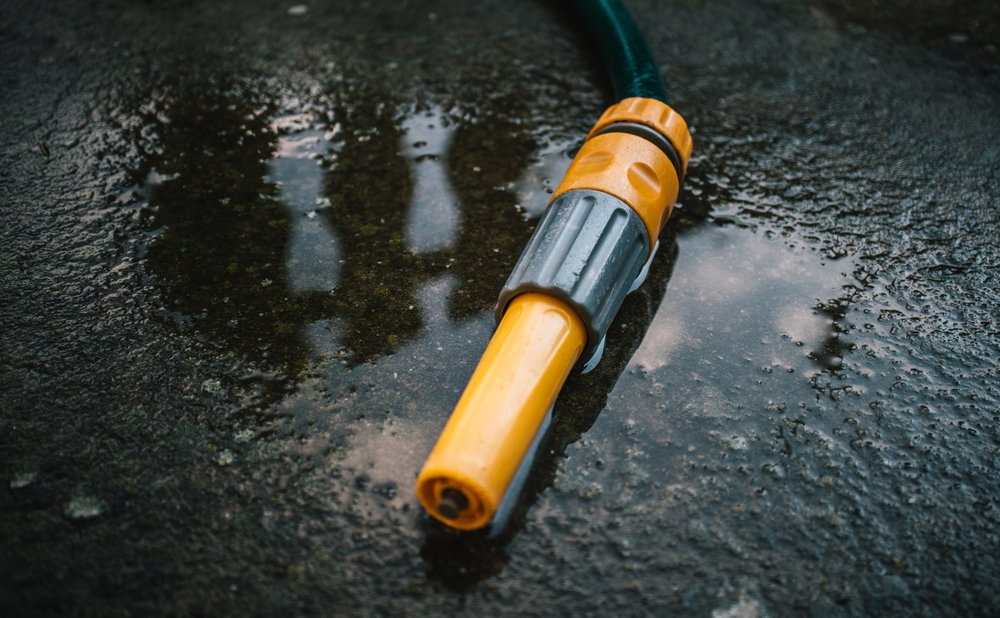
The tools you need to clean gutters are simple and cheap. Start with sturdy work gloves, safety glasses, a plastic gutter scoop and a bucket with a hook so it hangs from the ladder. Add a garden hose with a spray nozzle and a tarp to catch debris below.
A plastic scoop is gentler on aluminum gutters than a metal trowel. Wear shoes with good grip and long sleeves, since old gutter muck can hide sharp screws and bits of metal. For a wider kit, see our list of ten tools every DIYer needs.
How to Clean Gutters From the Ground
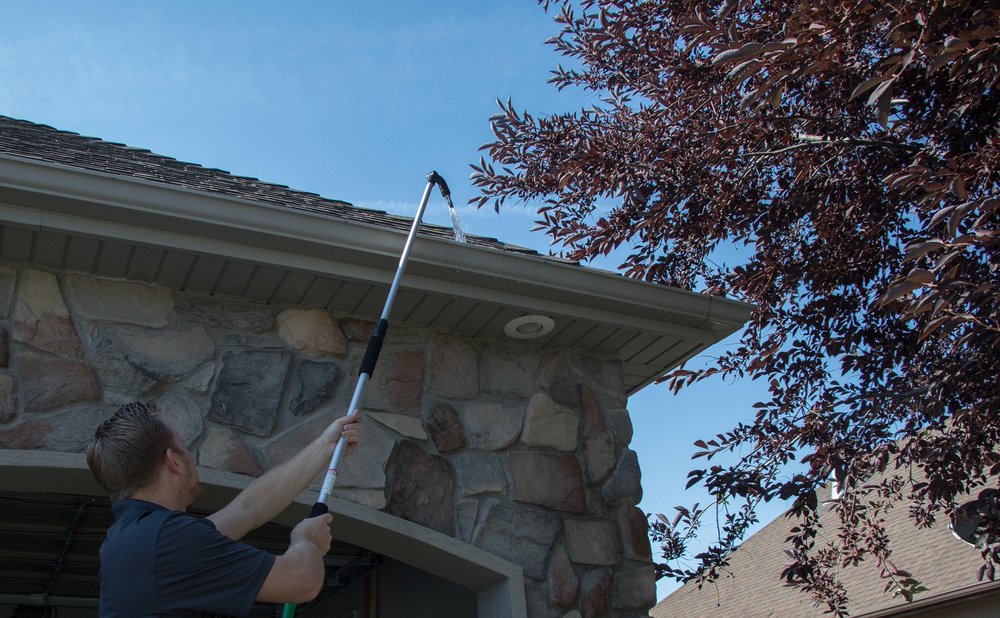
You can clean gutters from the ground with a telescoping wand that hooks onto a garden hose, or with a leaf blower gutter kit that adds curved extension tubes. Both let you stay off the ladder for single-story homes and light, dry debris.
Ground tools work best for routine upkeep, not heavy, packed muck. Wear safety glasses, because the blower or water spray sends debris back toward you. Afterward, check the gutter from a ladder or an upstairs window to see what the wand missed, since compacted dirt often stays stuck in the corners.
Scoop Debris Starting at the Downspout End
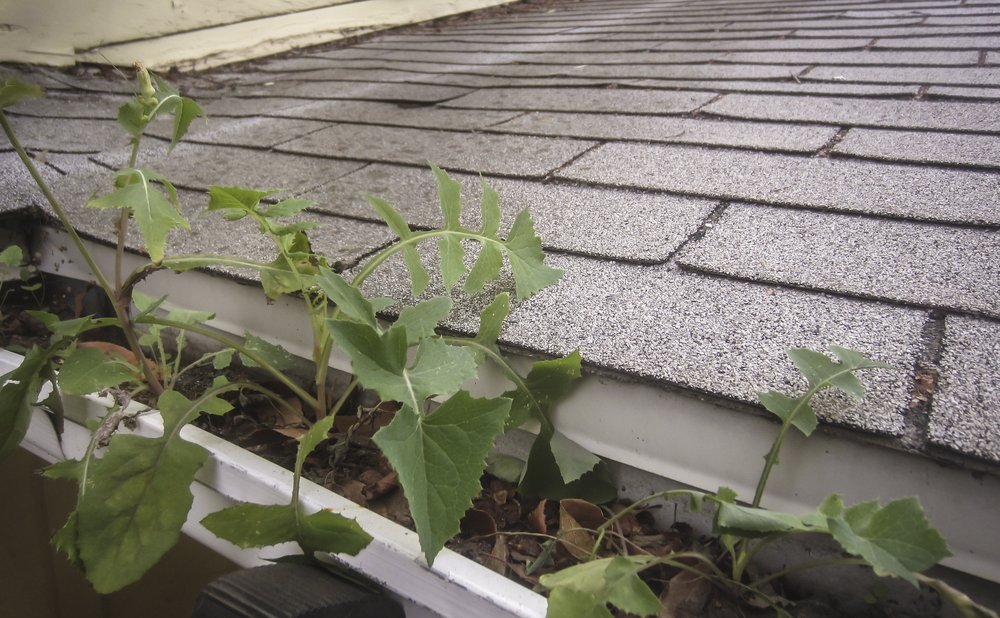
Start scooping at the downspout end and work away from it. That way you clear the outlet first and don’t push loose debris into the opening, where it can form a fresh plug. Scoop small loads into your hanging bucket or drop them onto a tarp below.
Clean only what you can reach comfortably from where the ladder stands. When you start stretching, climb down and move the ladder. Damp debris is easier to lift than dry dust, so a light misting with the hose can help. Finish each section before you move on.
Flush Gutters With a Hose to Check the Flow
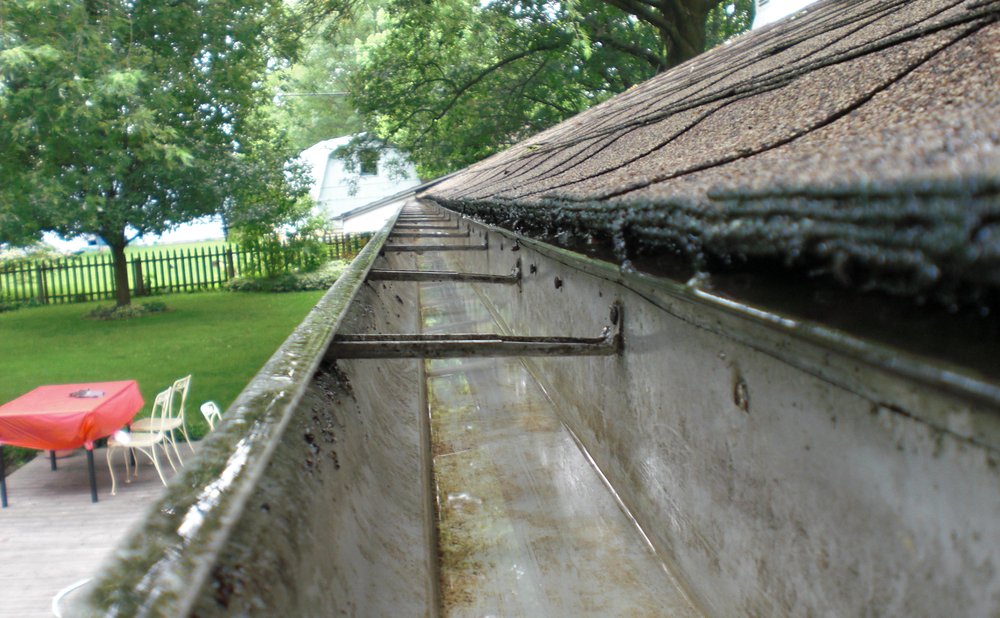
Once the solid debris is out, flush the gutters with a hose to check the flow. Start at the end farthest from the downspout and let water run toward it. A clean gutter carries water steadily to the outlet without pooling or spilling over the front edge.
Watch closely while the water runs. Puddles that stay put point to a low spot or a sagging section. Drips at the joints point to leaky seams. Water that backs up at the outlet means the downspout itself is blocked, which is the next step.
How to Unclog a Downspout
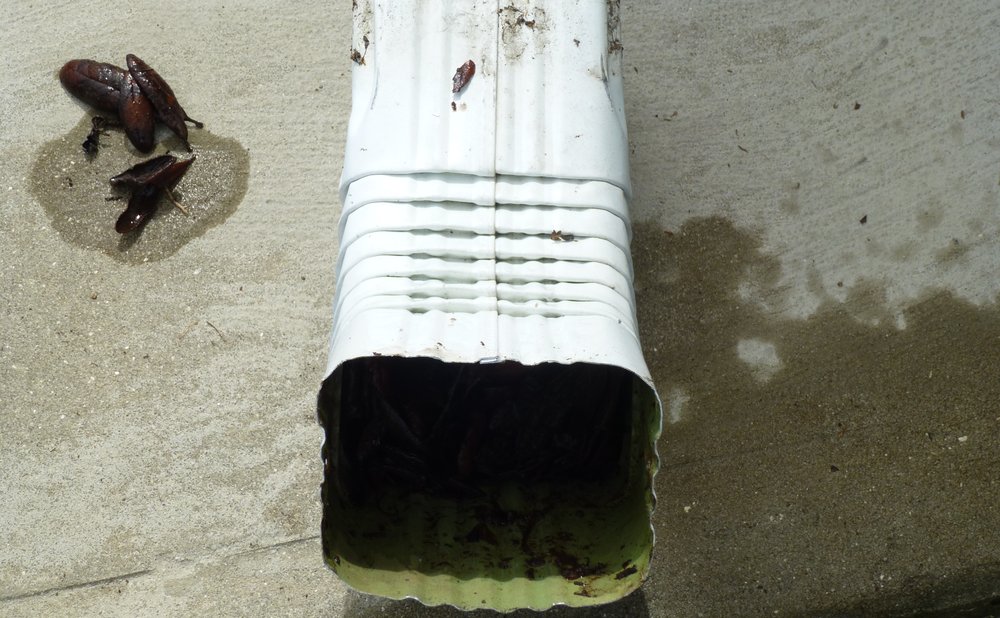
To unclog a downspout, first pull out any debris you can reach at the top outlet. Then feed a garden hose into the opening and turn the water on. The pressure often breaks the clog loose. If it doesn’t, feed the hose up from the bottom end instead.
Stubborn clogs sometimes need a plumber’s snake fed gently through the pipe. If nothing works, remove the lower elbow, which is usually held by a few screws, and clear it by hand. Tap along the pipe as you go. A dull thud often marks the spot where debris is packed.
Check the Pitch, Hangers and Seams for Leaks
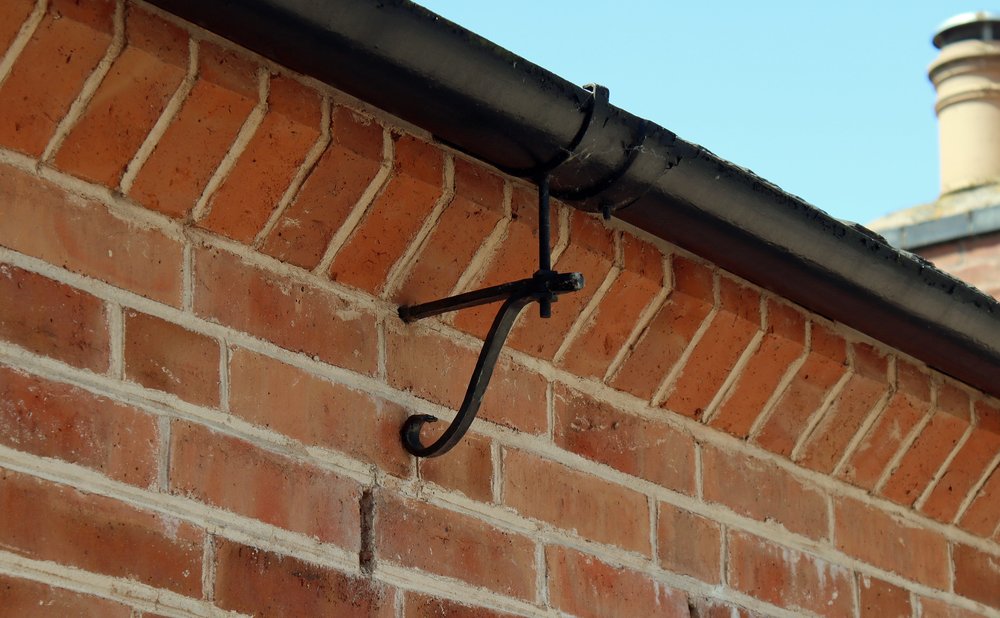
A gutter needs a slight slope, or pitch, toward each downspout so water does not sit still. A common guideline is about a quarter inch of drop for every 10 feet of gutter. Standing water after your flush test is the clearest sign the pitch is off.
Look at the hangers that hold the gutter to the fascia. Tighten or replace loose ones, especially where the gutter sags. Dry the seams and corners and seal small leaks with a gutter sealant made for your gutter material. If the fascia behind feels soft, that wood may need repair.
How to Clean Gutters With Gutter Guards
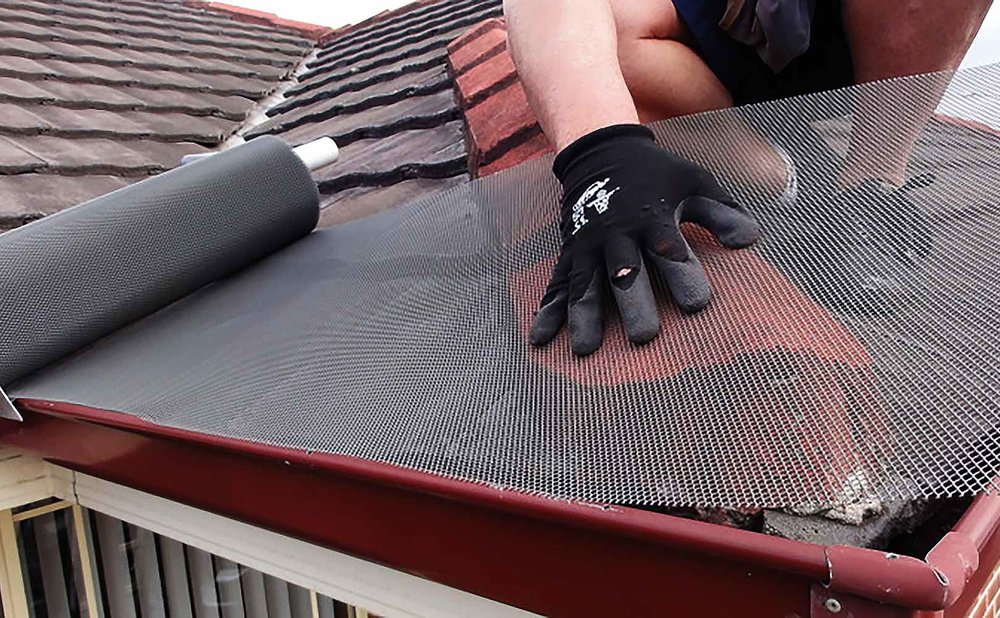
Gutter guards mean fewer cleanings, not zero cleanings. To clean gutters with gutter guards, brush leaves and needles off the top of the screen with a soft brush. Fine grit and seed pods can still slip through and build up inside over time.
Check your guard maker’s instructions before you pry any panel loose. Many screens snap or slide out, but forcing them can bend the mesh or void a warranty. Lift a few sections each year to look inside. If you see muck, clean and flush the gutter as usual.
When to Call a Pro for Two-Story Gutters

Call a pro when your gutters sit on a second story or higher, the roof is steep, or the ground below slopes. A fall from that height can cause serious injury, and a professional crew brings taller ladders, fall protection and the practice to work safely.
It also makes sense to hire help if you are not comfortable on a ladder, you work alone, or the gutters need repairs beyond a quick cleaning. Our DIY roof inspection checklist shows what you can safely check from the ground before you make the call.
Extend Downspouts 4 to 6 Feet From the Foundation
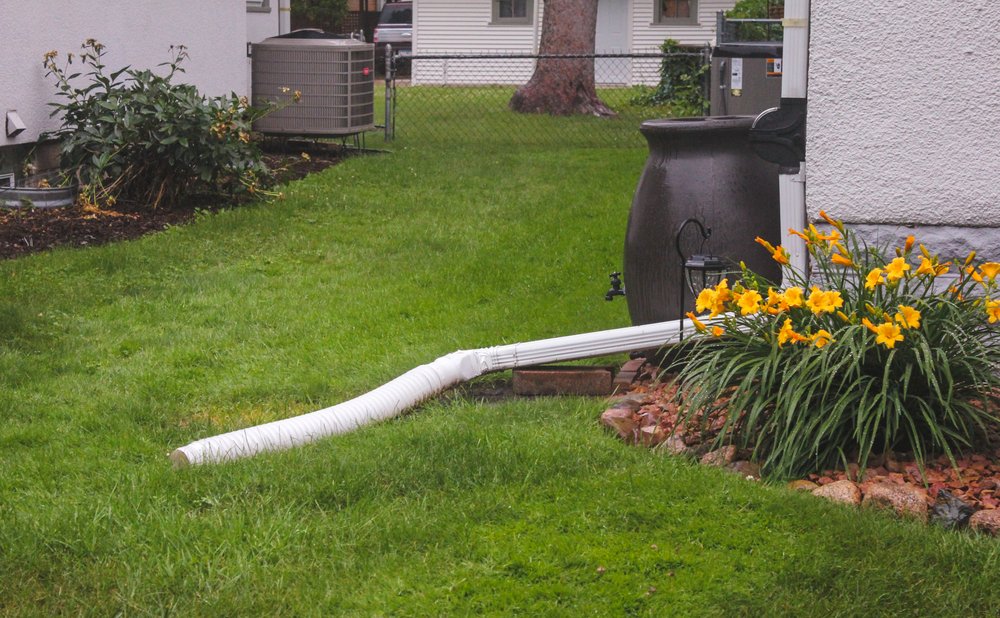
Extend downspouts 4 to 6 feet away from the foundation so roof water drains onto open ground, not against the basement walls. Clean gutters do little good if the downspouts dump water right next to the house, where it can soak the soil and seep inside.
Simple vinyl or aluminum extensions slip onto the downspout elbow. Flexible or roll-out styles work where you mow or walk. Make sure the ground slopes away from the house at the outlet. Check after a heavy rain that water spreads out instead of flowing back toward the walls.
How to Stop Ice Dams Before They Start
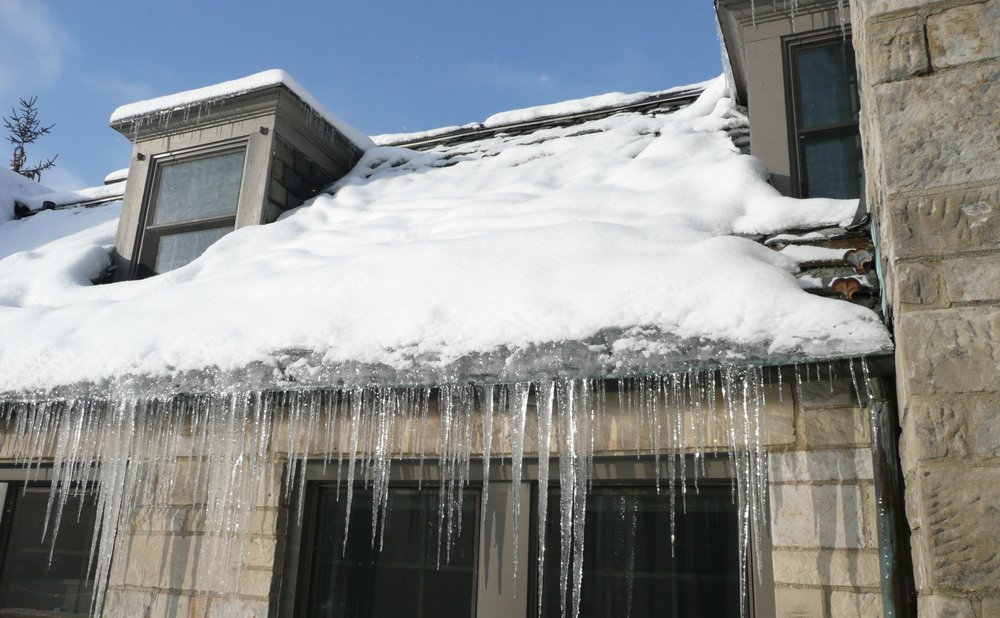
Ice dams form when heat from the house melts snow on the roof, and that water refreezes at the colder roof edge. The ice builds a ridge that traps more meltwater, which can back up under the shingles and leak into walls and ceilings.
Clean, free-flowing gutters help, but the real fix is keeping the roof cold. Seal air leaks into the attic, add insulation where it is thin and keep attic vents clear. After a big storm, a roof rake used from the ground can pull snow off the lower edge.
Good gutter cleaning comes down to three habits: work safely, keep water moving, and send it well away from the house. Start with a quick look at your gutters and downspouts from the ground, then pick a dry, calm day to clean gutters before winter hits.
Amazing Builder Partners